The Big Picture
The 2026 season has been defined by a chaotic recalibration of tactical norms and the heavy intrusion of managerial uncertainty. While pitch-level excellence remains high, the off-field maneuvering to fill high-profile vacancies currently shares the spotlight with on-field results.
The Rankings
10. The tactical stalemate in the Premier League
The opening two months of the campaign saw an unprecedented defensive lock-down across England's top flight. Teams prioritized structural rigidity over creative expression, resulting in a historically low scoring rate for February. Critics pointed to a lack of individual flair, and frankly, some of those Saturday afternoon fixtures were stagnant bores that discouraged neutral viewership.
9. Real Madrid’s Champions League group stage struggles
The European giants looked vulnerable throughout the autumn, surrendering critical points to mid-tier opposition. It served as a stark reminder that even the most expensively assembled rosters can buckle under the weight of defensive complacency. They scraped through the group, but the lack of composure displayed in late September alarmed their core supporters.
8. The rise of the youth movement in Serie A
Clubs across Italy pivoted toward academy talent out of necessity rather than design this year. Financial constraints forced this hand, yet the output has been surprisingly technical and cohesive. It currently stands out as the most compelling development story in continental Europe because it breaks the long-standing reliance on aging veterans.
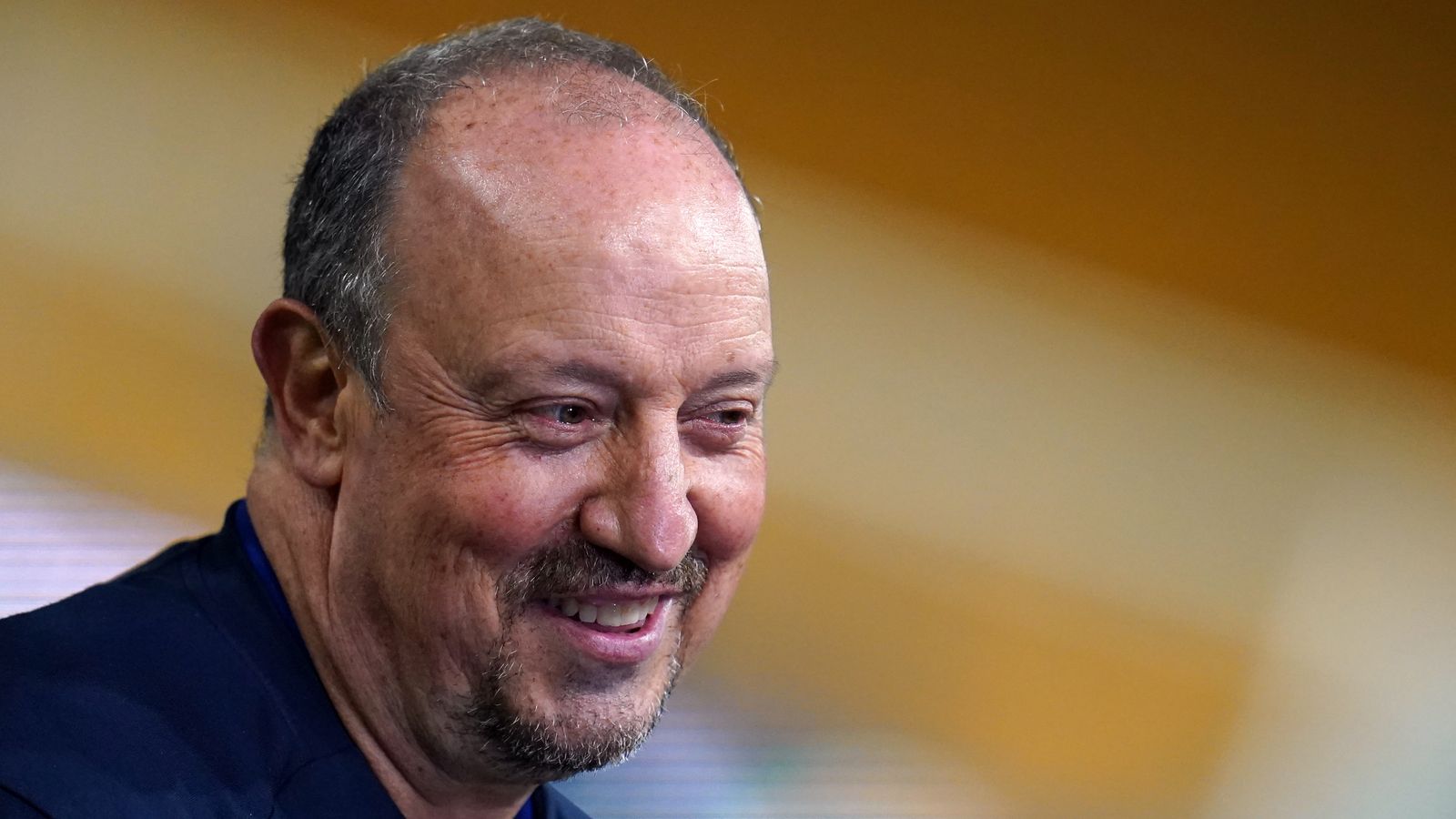
7. The Rafa Benitez Scotland rumors
As Sky Sports confirmed recently, the veteran coach has not ruled out the international role. It is a strange fit for a manager usually obsessed with club-level daily training cycles. If this moves forward, it will mark the most significant managerial shift in the international circuit for the year.
6. The emergence of the high-press 3-4-3
Coaches shifted away from the traditional 4-3-3, adopting a more aggressive back-three configuration that flooded the midfield zones. This evolution was particularly aggressive in the German leagues, forcing opponents to rethink their build-up play entirely. It is high-risk, high-reward coaching that turned mediocre teams into genuine top-table threats.
5. The relegation battle chaos
The bottom of the Premier League table saw an unusually tight cluster of five clubs separated by only 3 points heading into the final month. It was a stressful sprint that highlighted poor recruitment strategies from January onwards. Fans of these clubs suffered through a season of tactical indecision that almost cost them their top-flight status.
4. The Champions League format adjustment
The new structure created a fixture list density that many players openly criticized for its intensity. While the broadcasting numbers trended upwards, the fatigue-related injuries sustained in April were a black mark on the tournament. UEFA prioritized inventory over athlete longevity, a decision that will cause repercussions for years.
3. The surprise package of Ligue 1
A mid-table side managed the unthinkable by maintaining a top-three intensity level for the duration of the season. Their recruitment efficiency outperformed clubs with triple their budget by identifying undervalued assets in the Belgian and Eredivisie markets. It was a masterclass in scouting accuracy that deserves more praise than the tactical systems currently favored by the big-six giants.
2. The rapid-fire Burnley transfer rumors
As reported by industry insiders, the club is currently looking to offload key assets to balance their financial books. A proposed £28m sale to RB Leipzig is the headline transaction, signaling a harsh reality for mid-tier English clubs. They are operating in a ruthless market where academy graduates are treated as disposable capital.
1. The international cohesion pivot
The 2026 calendar year finally saw a reversal of the trend where club-level chemistry failed to translate to the international stage. Major tournaments in the summer displayed unexpected fluidity and tactical maturity from underdog nations. This shift suggests that coaching staffs are finally utilizing their limited window of time together more effectively than ever before.
Key Observations and Mentions
The season was not without its failures, most notably the disjointed officiating in the FA Cup. Honourable mentions must go to the breakout season of the 19-year-old winger at Ajax, whose speed consistently dismantled top-four defenses, and the surprising resurgence of the classic 4-4-2 in the Spanish second division. Both phenomena provided a much-needed break from the rigid tactical monotony observed in top-tier European competitions earlier this year.