The Big Picture
Modern football operates at the intersection of bottom-line fiscal reality and the optics of community engagement. Decisions made in boardroom suites now alter the matchday experience as significantly as tactical shifts on the pitch.
The Ranking
10. Manchester City’s £10 Local Ticket Trial
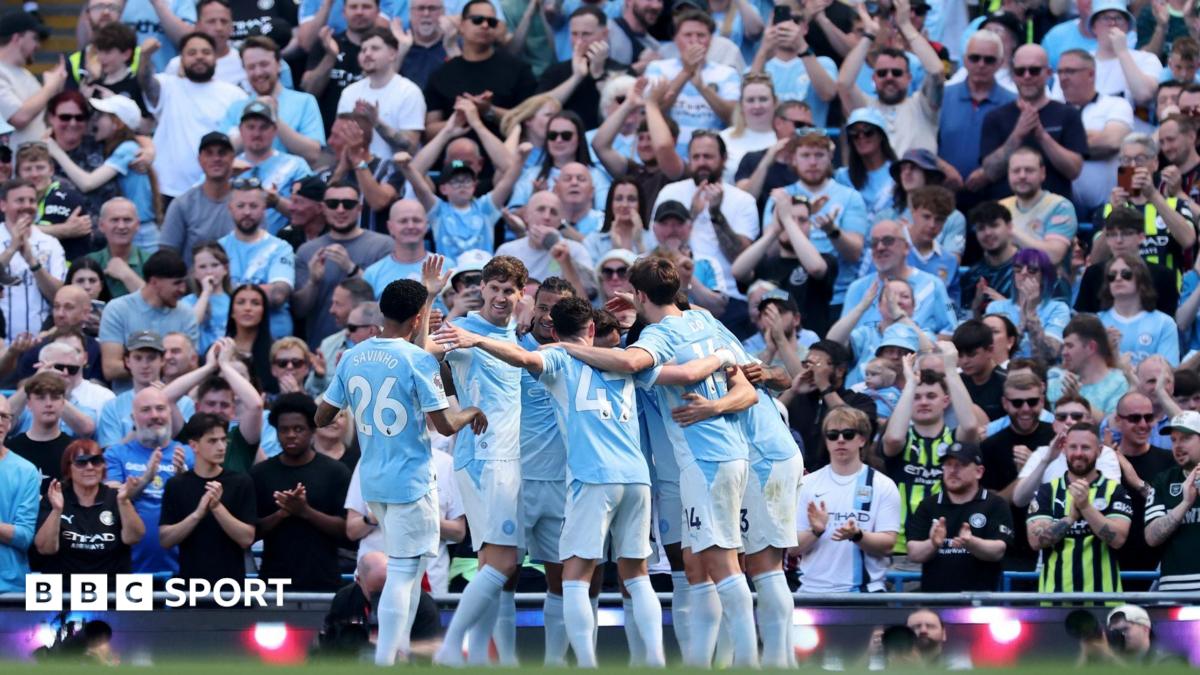
Manchester City recently introduced an initiative offering £10 match tickets specifically for local residents. This move addresses the ongoing criticism regarding the accessibility of top-flight football in an era of soaring prices. While the sample size of this trial is limited, it forces other clubs to justify their rigid pricing models. It earns a spot here for prioritizing community ties over immediate gate revenue.
9. The Introduction of Semi-Automated Offside Technology
The implementation of high-speed tracking cameras has fundamentally changed how referees intervene during high-pressure attacks. It removes the human error element that previously defined controversial match-deciding calls. However, critics argue this cold precision strips the game of its chaotic, human edge. Accuracy is now prioritized over the flow of the match.
8. Liverpool’s Front Office Vacuum
Michael Edwards formalizing his departure as the Chief Executive Officer of Football for Fenway Sports Group in July 2026 creates an immediate power void. As recent reports suggest, the instability at Anfield forces a revaluation of their long-term scouting and recruitment strategy. The timing—weeks before the season opener—is objectively poor management. This transition phase defines the club's current outlook.
7. Expanding Champions League Match Volumes
The decision to increase the number of teams and matches in the Champions League format was purely commercial. It generates higher broadcast revenue but ignores the physical toll on the players participating in these condensed cycles. We are currently seeing the results of this decision through inflated injury lists. It remains a questionable strategy for player welfare.
6. The Rise of State-Owned Club Models
The acquisition of major European clubs by sovereign wealth funds has altered the financial ceiling for every competitor. This shift forces mid-table clubs to operate with near-perfect efficiency just to remain relevant in the standings. It has made the spending power of the top three clubs in England nearly impossible to catch. The market inflation is undeniable.
5. The Global Broadcast Rights Wars
Streaming platforms capturing exclusive rights to midweek fixtures have fragmented the viewing experience for traditional supporters. Fans are now forced to navigate multiple subscription services to follow a single season. This move optimizes profit for the leagues but alienates the casual viewer. Accessibility has taken a backseat to digital exclusivity.
4. Mid-Season World Cup Scheduling
The 2022 decision to move the tournament to a winter window disrupted the standard rhythm of the club calendar for the first time in history. It forced teams to manage player fatigue in January and February with almost zero rest periods. Few managers could adequately prepare their squads for such a compressed restart. It remains a messy chapter in scheduling history.
3. The Failed Attempt at the European Super League
The attempted breakaway in 2021 remains the most significant threat to the status quo of domestic leagues in decades. Fan backlash was immediate and forced a total collapse of the project within days. It revealed how disconnected ownership groups are from the fanbase. Trust between supporters and executives has not fully recovered since the fallout.
2. The Standardization of VAR
Video Assistant Referee technology changed the way players approach offensive runs and defensive positioning. The fear of retrospective punishment has altered the physical intensity of tackles across every major league. It was designed to improve fairness, yet it consistently causes lengthy delays during peak play. The debate regarding its proper usage is far from over.
1. The Introduction of Financial Sustainability Regulations
New spending caps and strict monitoring of club wages represent the biggest shift in league control since the inception of the Premier League. These rules act as a hard barrier to stop clubs from spiraling into insolvency due to over-leveraged budgets. While unpopular with owners seeking rapid expansion, it forces clubs to invest in their youth and local development. It is the most impactful, if restrictive, change to how these clubs function today.
Honorable Mentions
The integration of five-substitution rules during matches, which provides tactical flexibility, and the move toward longer injury-time calculations to counteract time-wasting behaviors. Both have objectively improved the watchability of the product despite initial skepticism.