For the first time in their history, Egypt have won a World Cup knockout match, but the numbers suggest the penalty shootout victory over Australia in Dallas was a triumph of survival rather than design. Egypt converted all four of their penalties to win the shootout 4-2, yet they spent the preceding 120 minutes being tactically dismantled by Tony Popovic's young Socceroos. The contrast between Egypt's veteran pragmatism and Australia's energetic youth movement defined a match that ended 1-1 after extra time.
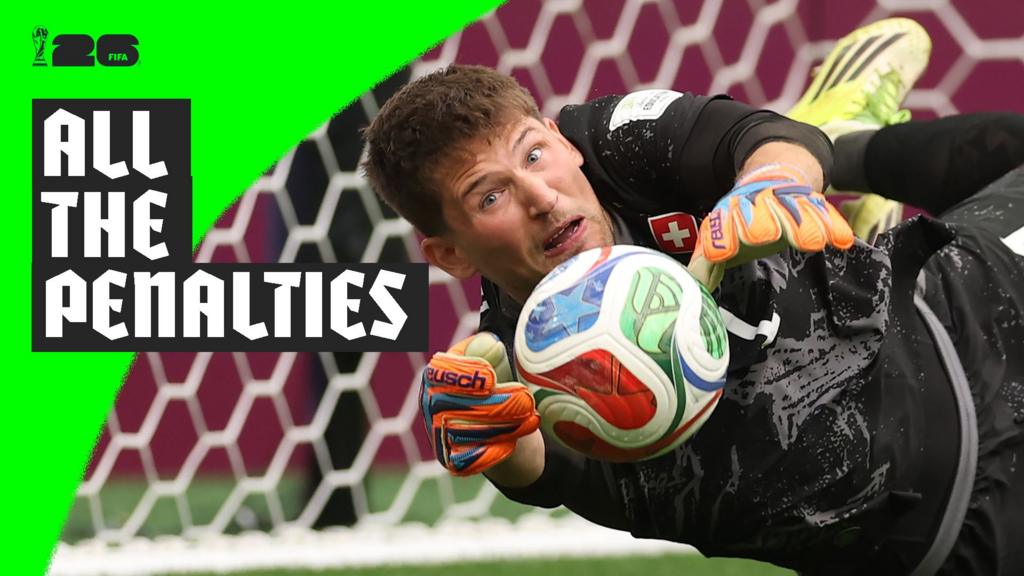
The central talking point of the evening arrived in the 119th minute, a moment that will dominate Australian sports radio for months. Popovic withdrew goalkeeper Patrick Beach, who had put in a spectacular performance, to introduce veteran Mathew Ryan specifically for the shootout. It was a high-stakes tactical gamble that failed to deliver, as Ryan failed to stop a single Egyptian spot-kick while Australia missed twice. The statistical wisdom of replacing a hot goalkeeper with a cold substitute remains highly questionable, and the outcome in Dallas did nothing to vindicate the decision.
The Goalkeeping Gamble and the Shootout Math
Patrick Beach had been Australia's standout performer during regulation play, registering five saves and successfully claiming three high crosses to keep the Egyptian attack quiet. The young keeper showed composure under immense pressure, particularly in the dying minutes of normal time when he made a diving stop to deny Omar Marmoush from close range. According to post-match reports from Daily Mail Sport, Beach's performance was worthy of a high rating, making his late removal all the more controversial.
By contrast, Mathew Ryan was introduced cold in the 119th minute, a tactical move popularized by Louis van Gaal in 2014 but one that carries significant risk. Ryan has faced 18 penalties in his international career and has saved only two, translating to an 11% save rate. Beach, meanwhile, had faced four penalties in domestic league play earlier in the season, saving two of them. By swapping keepers, Popovic opted for veteran status over match rhythm and recent form, a decision that was punished by four clinical Egyptian penalty takers.
The shootout itself demonstrated the difference in experience under pressure. Mahmoud Saber, Ramy Rabia, Mohamed Salah, and Hossam Abdelmaguid all converted their spot-kicks with minimal fuss, with Salah even executing a chipped Panenka penalty past the diving Ryan. Australia, on the other hand, stumbled early as center-back Harry Souttar saw his opening attempt saved. When 18-year-old defender Lucas Herrington struck the crossbar with Australia's fourth kick, the match was effectively over.
How Egypt's Midfield Block Choked the Socceroos Early
Egypt set up in a standard 4-2-3-1 formation, designed to control the central zones and isolate Australia's back three. The tactical plan bore fruit in the 13th minute when Egypt opened the scoring. Karim Hafez advanced down the left flank and delivered a curling cross that bypassed Souttar, allowing Emam Ashour to score with a header. The goal reflected Egypt's early superiority, as they controlled 62% of the possession during the opening twenty minutes of the match.
Egypt's double pivot of Marwan Attia and Mohamed Elneny worked effectively to disrupt Australia's build-up play. During the first half, Australia completed only 74% of their passes in the attacking third, a clear drop from their tournament average of 81%. This passing inefficiency meant that Australia's forward line received very little service, with striker Alou Kuol touching the ball only nine times in the first 45 minutes of action.
Egypt's defensive block remained compact, maintaining a distance of less than 25 meters between their defensive and midfield lines. This compact shape forced Australia to play long diagonal passes toward the wings, which were easily cut out by the Egyptian full-backs. The lack of central penetration left Australia looking short of ideas as the first half drew to a close with Egypt leading 1-0.
The Second-Half Turnaround and Wasteful Attacking
Tony Popovic made a vital adjustment at halftime, instructing his team to press higher up the pitch and transition into a more aggressive 3-4-3 shape. This tactical shift bore immediate fruit as Australia began to dominate the midfield. Midfielder Aiden O'Neill, who received a 7/10 rating for his industrious performance, began to win the second balls that Egypt had dominated in the first half.
The pressure told in the 55th minute when Australia found their equalizer. O'Neill delivered a dangerous free-kick into the penalty box, causing chaos in the Egyptian defense. Full-back Mohamed Hany, attempting to clear the ball under pressure from Souttar, inadvertently deflected it into his own net. The own goal was just reward for Australia's increased intensity, which saw them register six shots in the first fifteen minutes of the second half.
Despite their dominance, the Socceroos were guilty of failing to finish their chances as the half progressed. Striker Cristian Volpato, who was praised as Australia's most dangerous attacking threat, created two clear scoring opportunities that were wasted by his teammates. Australia finished the match with an expected goals (xG) rating of 1.65 compared to Egypt's 0.95, indicating that the Socceroos should have won the match before the shootout. The wastefulness in front of goal proved costly as the match entered extra time.
Youth vs. Experience in Dallas
The match highlighted the contrast between a rebuilding Australian squad and an experienced Egyptian team. Popovic's squad features 17 World Cup debutants, representing the youngest group Australia has ever sent to a major tournament. This youth was evident in the performance of 18-year-old Lucas Herrington, who played with composure beyond his years throughout the 120 minutes before his penalty miss. The young defender completed 48 of his 52 passes and won five defensive duels, showing great promise for the future.
Egypt, by contrast, relied heavily on their veteran players to manage the game during extra time. As Sky Sports reported, the Egyptian team used their experience to slow the tempo, committing tactical fouls to break up Australia's momentum. Egypt committed 18 fouls compared to Australia's 11, effectively neutralizing the younger team's speed in transition.
Ultimately, the match ended in heartbreak for the Socceroos, but the statistical profile of the game suggests a bright future. The younger Australian team outshot Egypt 15 to 11 and completed more passes in the final third. While Egypt celebrates their historic passage to the Round of 16, Popovic's young team has laid a solid foundation that should serve them well in the years to come.
Read Next
- Australia are tactical toast without Jordan Bos against Egypt
- How a tactical breakdown and a concussion farce saved the Socceroos
- Aussie fans turn Dallas Walmart into a chaotic pub before Egypt clash
- Why the world's most populous countries keep missing the World Cup
- 🇪🇬 Egypt World Cup 2026 — Salah's Last Dance
- 🇦🇺 Australia World Cup 2026 — Socceroos Hub