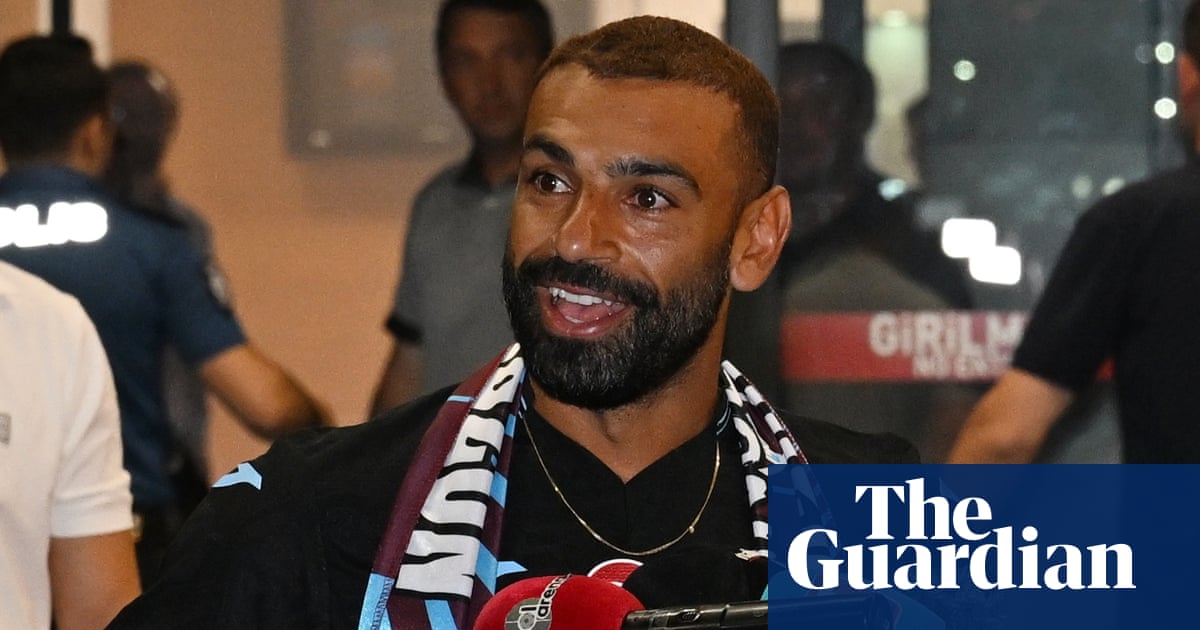
How a tactical breakdown and a concussion farce saved the Socceroos
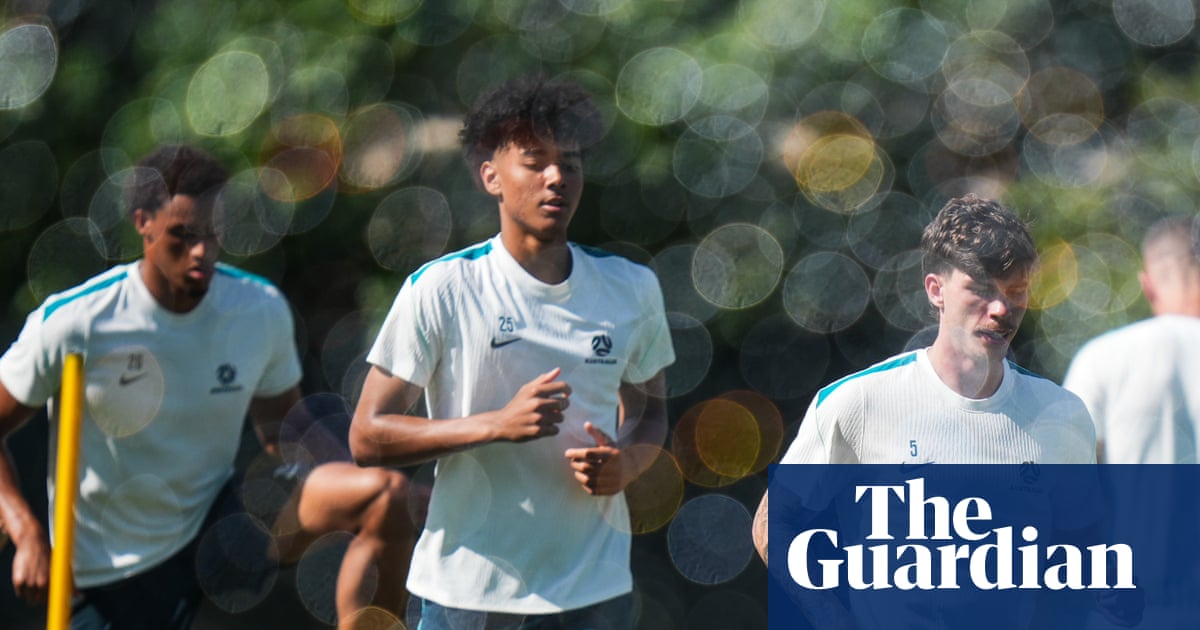
The Spacing Breakdown at Dallas Stadium
The Round of 32 clash at the Dallas Stadium was supposed to be a test of Australia's physical depth against the veteran street-smarts of Egypt. Instead, the Friday evening fixture on July 3, 2026, degenerated into a fascinating tactical mess, defined by structural errors and a worrying medical decision. Tony Popovic's Socceroos eventually escaped with a 1-1 draw, but the performance raised more questions than answers for both coaching staffs.
Egypt entered the match under a cloud of anxiety regarding the fitness of their captain, Mohamed Salah. Having suffered a hamstring injury in a previous group stage match against Iran, the veteran winger was named in the starting lineup, but his mobility was clearly compromised. Salah spent most of the match on the periphery, scuttling after passes but frequently finding himself caught offside as Australia's high defensive line held firm.
Yet, Salah's football brain remains as sharp as ever. In the 13th minute, he stood over a free-kick on the right wing and opted not to deliver the ball directly into the penalty area. Instead, he shifted the angle by rolling a short pass to Zico, who curled a cross toward the far post. Emam Ashour timed his run perfectly, escaping his marker to head Egypt into an early lead.
Egypt's tactical setup under their coaching staff was clear. They deployed in a defensive 4-3-3 shape that quickly compressed into a low block once they took the lead. The midfield trio of Hamdi Fathy, Emam Ashour, and Ibrahim worked tirelessly to deny Australia any space between the lines. Zico and Marmoush played narrow, protecting the half-spaces and forcing the Australian center-backs to play long, hopeless diagonals.
Australia's defensive spacing during that opening sequence was abysmal. Harry Souttar and his central partners failed to track the secondary runs, leaving Ashour completely unmarked six yards out. Popovic's back three was repeatedly pulled out of shape during the first half, unable to handle Egypt's vertical passing. Australia spent the first 45 minutes looking lethargic, struggling to generate any fluid possession in the middle third.
The Cost of Physicality and the Bos Injury
Egypt's defensive plan was aggressive, aiming to disrupt Australia's build-up with heavy challenges. Fathy and Ibrahim locked down the central areas, taking no prisoners and forcing Nestory Irankunda to drop deep to receive the ball. In the 31st minute, Irankunda was clipped by Ibrahim in what could have been a yellow card, setting the tone for a bruising tactical battle.
The Socceroos' most dangerous outlet had been Jordan Bos on the right-hand side. Bos used his pace to stretch the Egyptian defensive lines, winning a corner in the 38th minute after a powerful run. However, Australia's momentum was cut short in stoppage time of the first half by a moment that changed the shape of the match.
Ramy Rabia crunched into Bos with a heavy challenge in the 45+5th minute. While the center-back won the ball milliseconds before contact, the follow-through caught Bos as his boot landed on the turf. The left-back was left writhing in pain, his knee twisting unnaturally under the force of the challenge.
The scene at half-time was grim for the Australian supporters. Bos had to be carried down the tunnel, unable to put any weight on his left leg, which dangled uselessly. Popovic was forced to replace him during the interval with Kai Trewin, stripping Australia of their most direct attacking threat. As Sky Sports' live coverage reported, it was a structural disaster that threatened to derail Australia's World Cup run.
"This game is anyone's but Australia are looking much stronger at the end of this game than they were earlier on. Salah remains on the periphery but you cannot write him off." — Sky Sports' Adam Bate
The Concussion Farce and Hany's Record
The second half began with immediate chaos. Zico played a quick pass down the middle just nine seconds after the restart, releasing Omar Marmoush. Under pressure from Trewin, Marmoush fired wide of the right-hand post when it seemed easier to score. It was a massive let-off for Australia, who were still adjusting to their new defensive structure.
Two minutes later, a highly controversial incident occurred. Connor Metcalfe's shoulder caught Mohamed Hany in the head during an aerial challenge. Hany collapsed to the turf, spark out cold, prompting immediate medical attention from the Egyptian bench. The stretcher was brought out, and it appeared Hany's match was over.
Inexplicably, the Egyptian medical team cleared Hany to return to the pitch after less than a minute of assessment. Concussion protocols are designed to prevent exactly this kind of scenario, and Hany was visibly disoriented as he trotted back on. FIFA's handling of head injuries will undoubtedly face intense criticism after this match, as the decision to let Hany continue defied basic safety guidelines.
The football gods responded with immediate irony. In the 55th minute, Aiden O'Neill won a free-kick on the left flank after Zico fouled him. O'Neill swung a sharp, inswinging cross into the box. Hany, looking confused and out of position, attempted to clear but only succeeded in skimming the ball off his head into the top corner of his own net.
The equalizer was a historic moment of misfortune for the defender. It was Hany's second own goal of the tournament, matching a record set by Bulgaria's Ivan Vutsov in 1966. Additionally, this unfortunate deflection registered as the 13th own goal of the 2026 World Cup, setting a new tournament record.
The statistical milestone highlights a wider trend in Dallas. Teams struggling with fatigue and high defensive workloads have repeatedly turned matches on individual errors. Hany's double own-goal record is not just a personal tragedy; it is symptomatic of a defense that has been pushed to its absolute physical limits in the Texas heat.
Egypt's Empty Center and the Tactical Shift
Following the equalizer, Egypt's tactical structure completely fell apart. The slow build-up play criticized by television pundits became even more pronounced, with the defense keeping four players behind the ball. Egypt attempted to build play down the flanks, but they left the central zones completely vacant.
Australia's midfielders easily intercepted Egypt's predictable passes and launched quick transitions. Scott Brown highlighted this structural flaw during the BBC's broadcast. Egypt's inability to control the middle third allowed Australia to dominate the final half-hour of the game as The Guardian's live match updates documented during the second half.
"Australia have started the half positively but I think it's more down to the way Egypt are playing. They are playing very slow and in build up there is four behind the ball. Egypt are trying to overload the wide areas against the wing backs but are leaving the central area so empty." — Scott Brown on the BBC
Popovic recognized the shift in momentum and made a double substitution in the 74th minute. Irankunda and Cristian Volpato were replaced by Ajdin Hrustic and Mohamed Toure. This injection of energy allowed Australia to press higher, turning the match into a one-sided affair.
Hrustic's entry immediately changed the spacing of Australia's midfield. Dropping deeper to form a double pivot with Jackson Irvine, Hrustic allowed Aiden O'Neill to push higher up the pitch. This shift created a numerical overload in the central channel, completely isolating the Egyptian defense and forcing them to resort to desperate clearances.
Egypt's physical fatigue became evident when left-back Hafez went down with severe cramp in the 79th minute. With Australia refusing to put the ball out, Egypt had to defend while down a man. Eventually, Hafez was replaced by Trezeguet in an attacking change that failed to yield results.
Despite their late dominance, Australia's lack of attacking quality prevented them from taking all three points. In the 88th minute, Hrustic delivered a corner to the near post. Jackson Irvine flicked it on, but Souttar headed the ball straight into the turf from six yards out, allowing Egypt to clear.
The final whistle confirmed a draw that keeps both teams alive but exposes their deep structural flaws. According to The Guardian's report, Australia will need to find a way to replace the injured Bos if they hope to progress. For Egypt, the concern is no longer just Salah's hamstring, but a systemic lack of creativity in possession.
Read Next
- Australia are tactical toast without Jordan Bos against Egypt
- Why Egypt will edge a physical Dallas dogfight against Australia
- Australia versus Egypt is the gloriously chaotic World Cup matchup we deserve
- Australia's World Cup fate rests on surviving Egypt's transition traps
- 🏆 World Cup 2026 — Full Coverage Hub
- 🇪🇬 Egypt World Cup 2026 — Salah's Last Dance
- 🇦🇺 Australia World Cup 2026 — Socceroos Hub
Adidas Unisex-Adult MLS Pro Soccer Ball
Professional-grade flight for your weekend pickup games.
Frequently Asked Questions
What was the final score of the Australia vs Egypt Round of 32 match?
How did Egypt score their opening goal against Australia?
Who assisted Egypt's goal in the match against the Socceroos?
Why was Mohamed Salah's mobility limited during the game?
Which Australian player was injured by Ramy Rabia in the first half?
More Coverage

Man City's £900m scandal casts a long shadow over the A-League launch
2 days, 5 hours ago
Scotland's attacking promise died in the 11th minute against Switzerland
2 days, 8 hours ago
England win in Prague but Thomas Tuchel still has tactical puzzles to solve
2 days, 11 hours ago
Ashley Sanchez's 20-goal NWSL season creates a massive USWNT tactical puzzle
2 days, 17 hours ago
Ashley Sanchez is scoring at will, but where does she fit under Emma Hayes?
2 days, 17 hours ago
Brazil needed VAR and a touchline brawl to finally put away the Socceroos
2 days, 22 hours agoMore Analysis

Mohamed Salah built an empire on Anfield's right wing
1 week, 1 day ago
Mohamed Salah redesigned how wingers score goals in modern English football
1 month, 3 weeks ago
Mohamed Salah's move to Trabzonspor is the most baffling transfer of the decade
1 month, 3 weeks ago
Salah's Trabzonspor move derailed by calf strain as medical reveals recovery timeline
1 month, 3 weeks ago
Salah at Trabzonspor is tactical madness that might actually work
1 month, 3 weeks ago