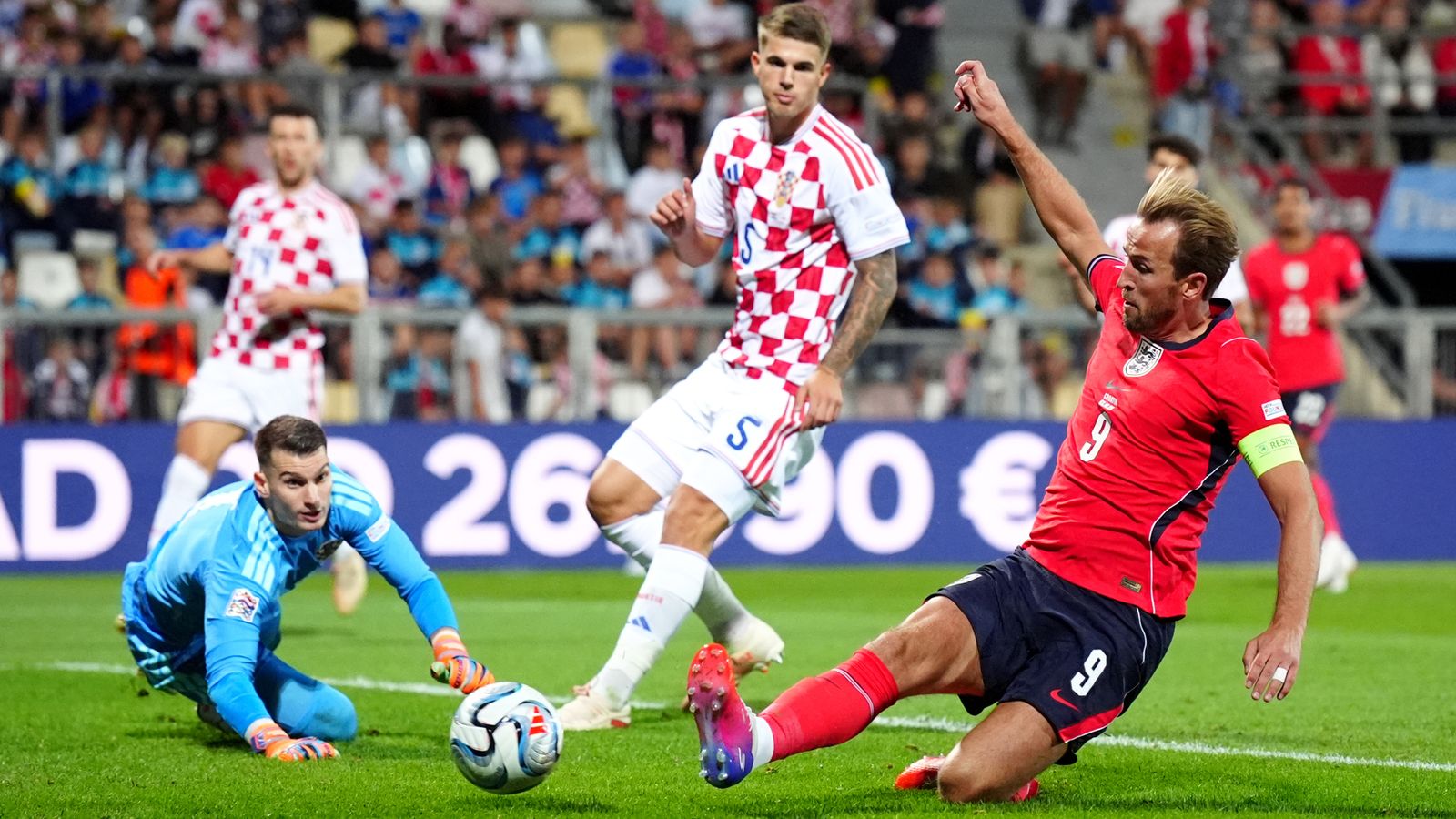
The Harry Kane dilemma isn't going away
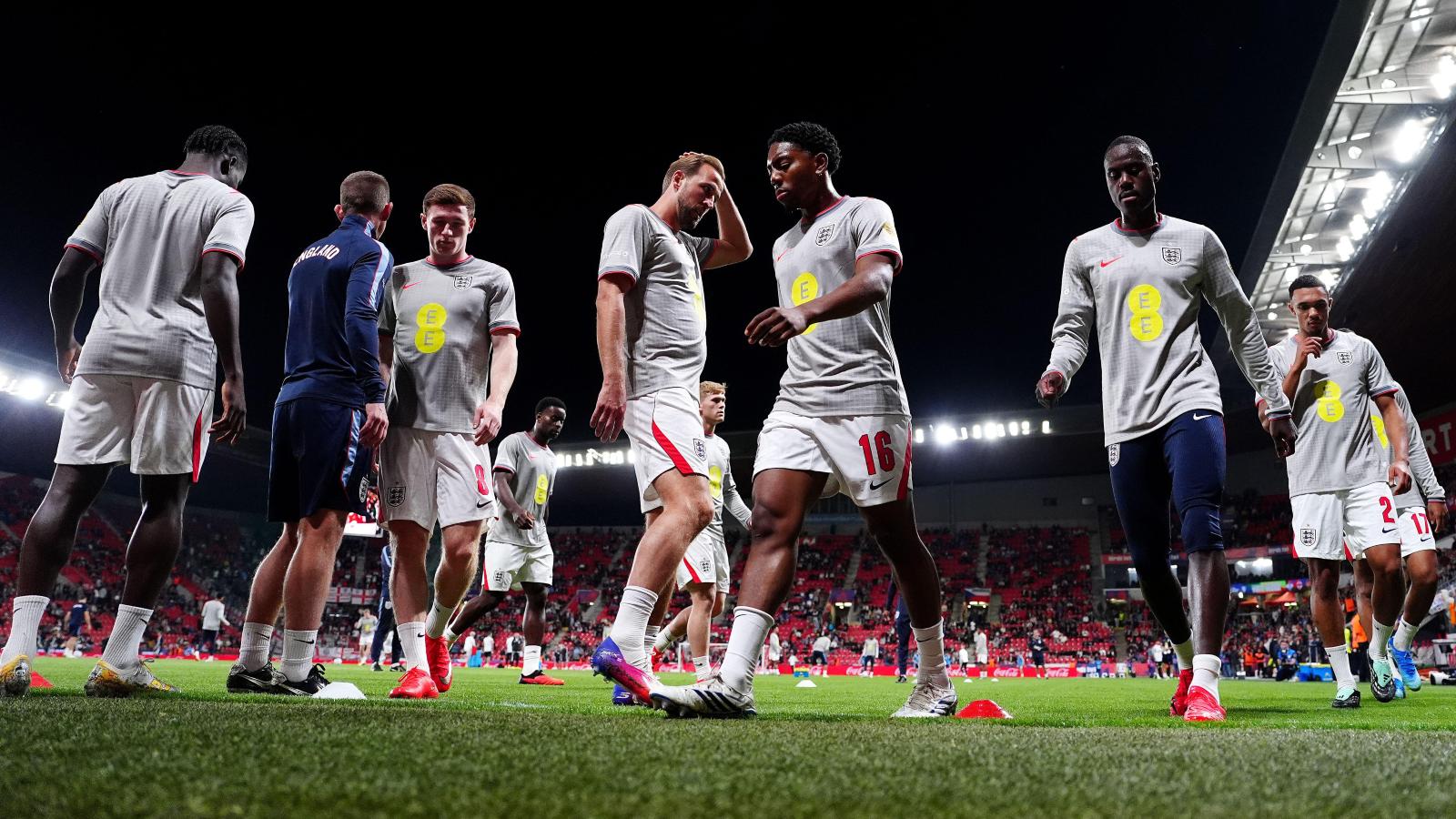
As of today, July 21, 2026, the discussion regarding England's attack has reached a stagnant point. Recent analysis highlights a grim reality: the succession plan for Harry Kane heading toward Euro 2028 is practically non-existent. Kane will be nearly 35 by the time the home tournament kicks off, yet the depth chart remains dangerously thin behind him.
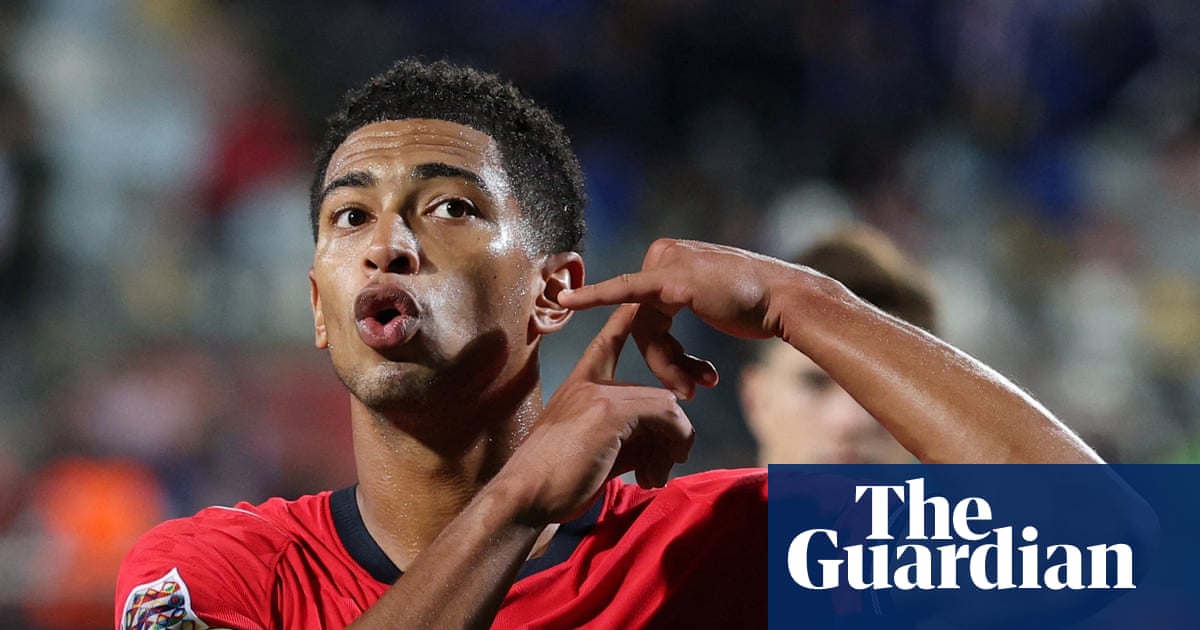
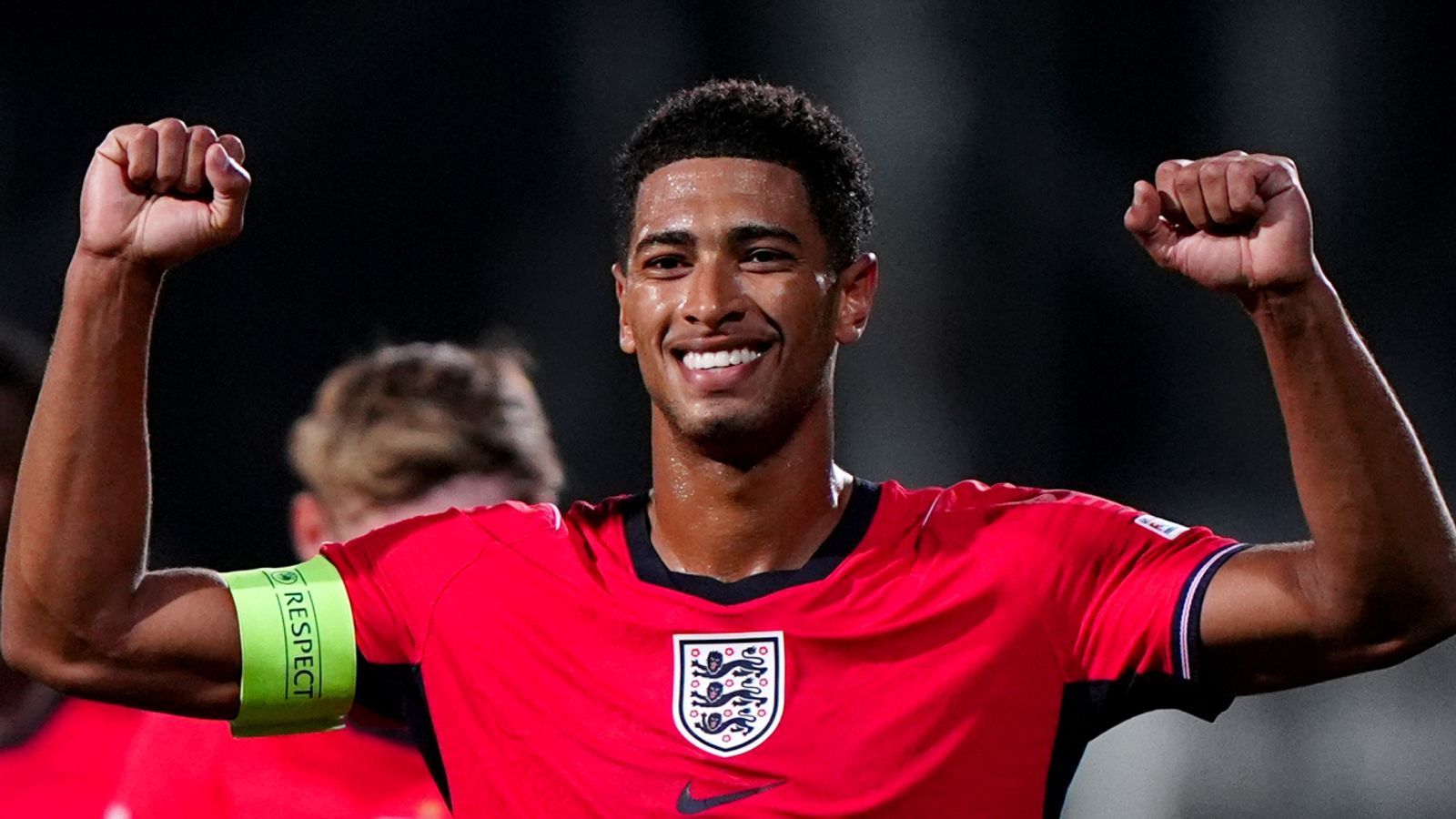
We are watching a team that relies heavily on Jude Bellingham to bridge the gap between structure and chaos. Critics like Roy Keane and Gary Neville have already pointed out that the squad would have folded during the recent World Cup cycle without Bellingham’s individual brilliance, as reported by the Daily Mail. Relying on one man to solve systemic offensive output is not a viable strategy for 2028.
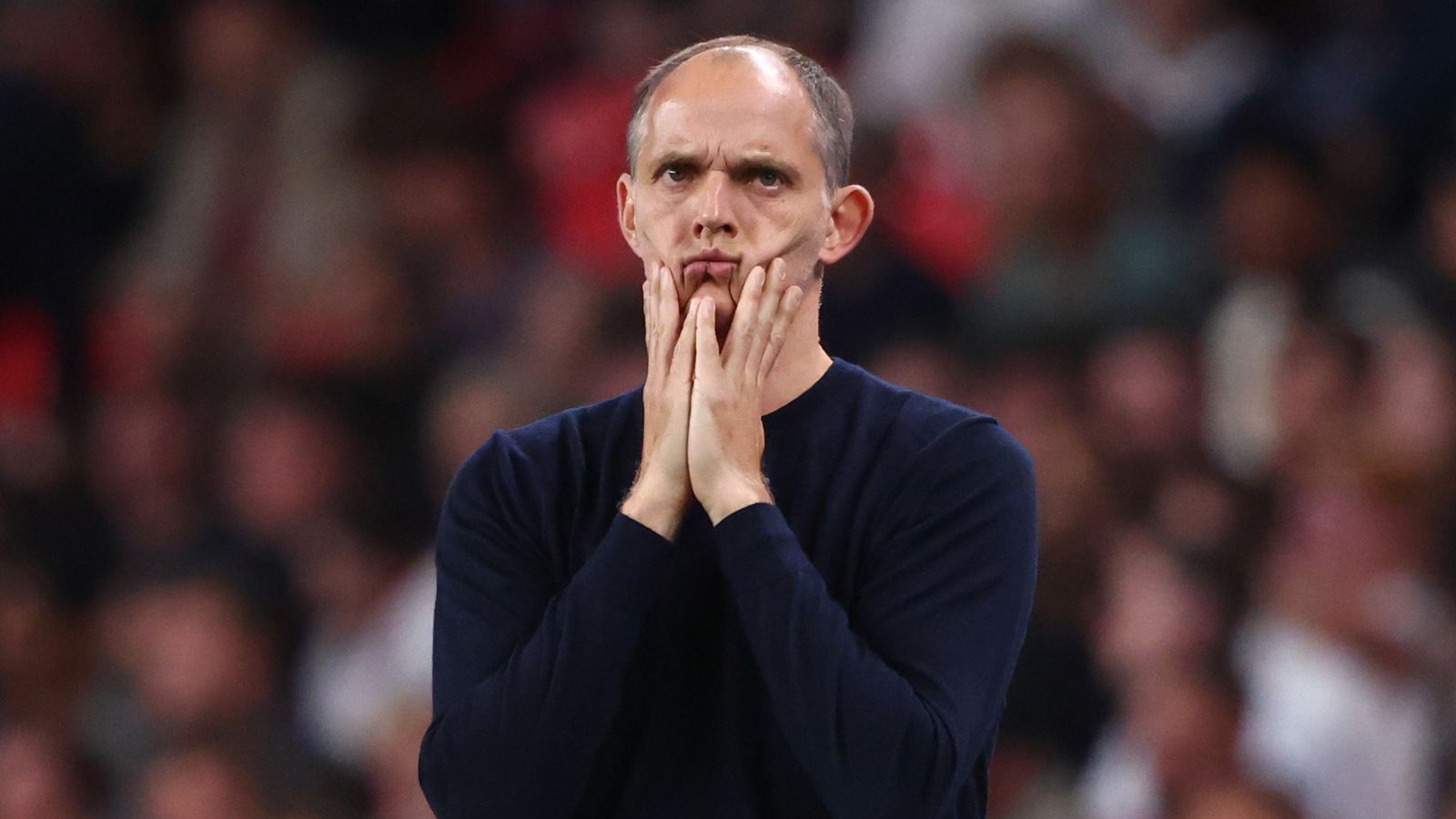
The Tuchel transition risks becoming a repeat of history
Thomas Tuchel’s tactical rigidity is famous, but international football forces a different set of compromises. The omission of seasoned professionals like Harry Maguire and Cole Palmer for the US tour earlier this year left a void in leadership and creativity that wasn't adequately addressed. Dropping established talent in favor of a specific vision sounds professional in a boardroom, but it often fails on the pitch when the pressure builds in the knockout stages.
The defensive pairing issue remains stubborn. Every cycle, England experiments with new combinations in the heart of the defense, yet the same structural lapses appear in tournament settings. While some pundits suggest massive overhauls—including replacing Declan Rice with rising talent—this ignores the need for defensive stability during tournament fatigue. Replacing reliable anchors for unproven prospects rarely yields silverware.
A difficult road to Euro 2028
My prediction? Thomas Tuchel will face a mid-cycle crisis of identity by the end of 2026. The insistence on a rigid system will alienate those who provide the necessary flair, specifically in the final third. We are looking at a team that will qualify efficiently but struggle to break down low blocks in major tournaments.
The lack of a true successor to Kane isn't just a concern for the future; it is a tactical anchor dragging down the present. Without a striker who can link play and finish with the consistency of a peak Kane, the burden on the midfield will continue to be unsustainable. 51 percent of England’s chances in recent outings have originated from individual play rather than structured team patterns, a statistic that suggests the coaching staff has yet to unlock the squad's collective potential.
Expect frustration in the upcoming Nations League fixtures. The personnel choices that defined the recent squad list are starting to look less like a tactical evolution and more like a gamble on players who aren't ready for the leap. Unless there is a massive shift in how the frontline is utilized, the homecoming in 2028 will likely be defined by more of the same underwhelming exits we have seen in previous decades.
Read Next
- Jude Bellingham at false nine is Thomas Tuchel's only path to Euro 2028 glory
- Kobbie Mainoo's England freeze-out ends in injury and Miami frustration
- Pep Guardiola is weighing up a move into the international game
- Pep Guardiola is weighing up his next move after English interest cools
- 🏴 England World Cup 2026 — Three Lions Hub