
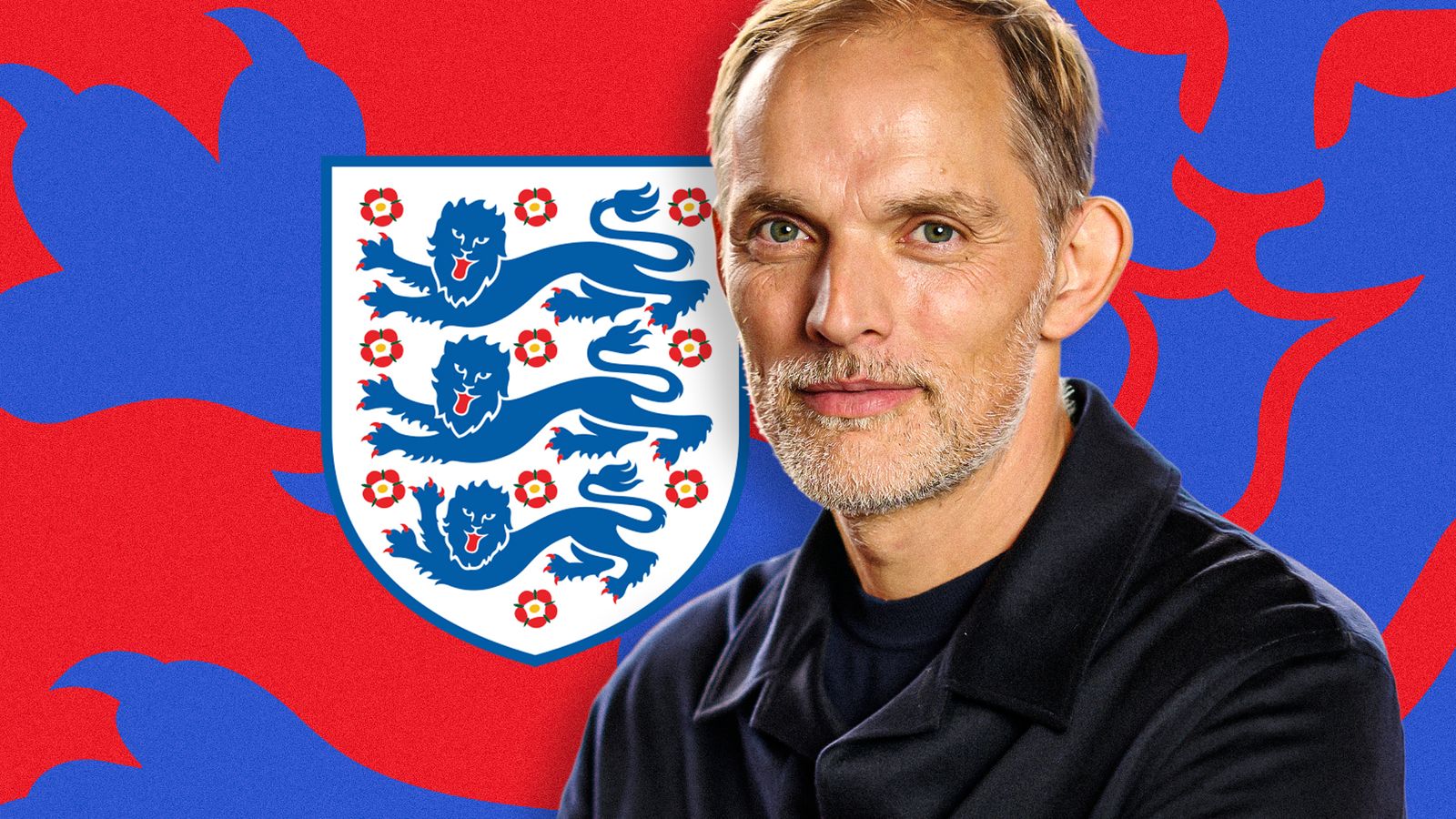
The ghosts of Wembley past are haunting the training ground
Thomas Tuchel recently stepped into the England hot seat, and the first thing he did was start talking about our collective DNA. It feels like we’re back in 2006, sitting around a pub table with a lukewarm pint, debating why the Golden Generation couldn't beat Portugal. Except this time, it’s a German tactician trying to unlock a locker room that usually chokes on its own expectations.
You can read the full breakdown of Tuchel’s initial manifesto here to see exactly how much faith he is placing in this internal code. It’s bold, it’s confusing, and honestly, it sounds like he spent his flight to London reading a sports psychology book bought at an airport kiosk.
The tactical absurdity of chasing an identity
Tuchel expects the squad to find a specific English flavor while playing a high-press system that demands constant movement. If you’ve watched his tenure at Chelsea or Bayern Munich, you know he wants control above all else. But England? England is built on chaos, vibes, and individual brilliance that appears only when the pressure becomes unbearable.
Trying to force a German-engineered structure onto a team that historically thrives on transition and sheer panic feels like putting a tuxedo on a pub brawler. He wants a cohesive unit, but international football is rarely about depth of chemistry. It is about who can survive the final 15 minutes of a tournament knockout match without conceding a set-piece header.
The reality of the talent pool
Let’s be real for a second. We have the attackers to win anything, yet we are constantly worried about the midfield balance. Tuchel talking about DNA is a deflection tactic used by managers who realize their center-back pairing is, at best, a calculated risk. He isn’t looking for an identity; he is looking for a reason to justify dropping a star player who doesn’t fit his rigid interpretation of how the game should work.
He is also staring down a massive challenge regarding player fitness and club-level fatigue. The English calendar is a meat grinder. Expecting the squad to press like a Bundesliga team in late November is a recipe for soft-tissue injuries before the group stages even conclude.
The romanticism of the Three Lions
There is a dangerous amount of romanticism in the air. Tuchel thinks he can rewire the national subconscious through sheer force of will and tactical repetition. It is the classic managerial trap. Every guy in a tracksuit eventually decides he is the one who will fix decades of psychological scarring, only to find out that a penalty shootout is still a lottery ticket.
If he manages to win a major trophy, he’ll be a saint. We will build a statue of him outside the stadium, probably doing a touchline squat. If he fails, this talk about DNA will be his epitaph. It will be the quote mocked by every pundit from here to Sydney when the post-tournament analysis begins. It’s risky, it’s loud, and it’s exactly the kind of move that keeps life inside the England camp interesting for all the wrong reasons.
He hasn’t even been in the job long enough to deal with the inevitable leak to the press the night before a huge match. Managing England isn’t about tactics; it is about navigating the media firestorm while trying not to lose your mind. Tuchel is a smart guy, embittered by his own perfectionism, but this job usually breaks people who crave order. He wants the DNA to change, but the DNA is just a chronic inability to settle for a 1-0 win when we can make it a heart-stopping thriller instead.





