Thermal management as athletic performance
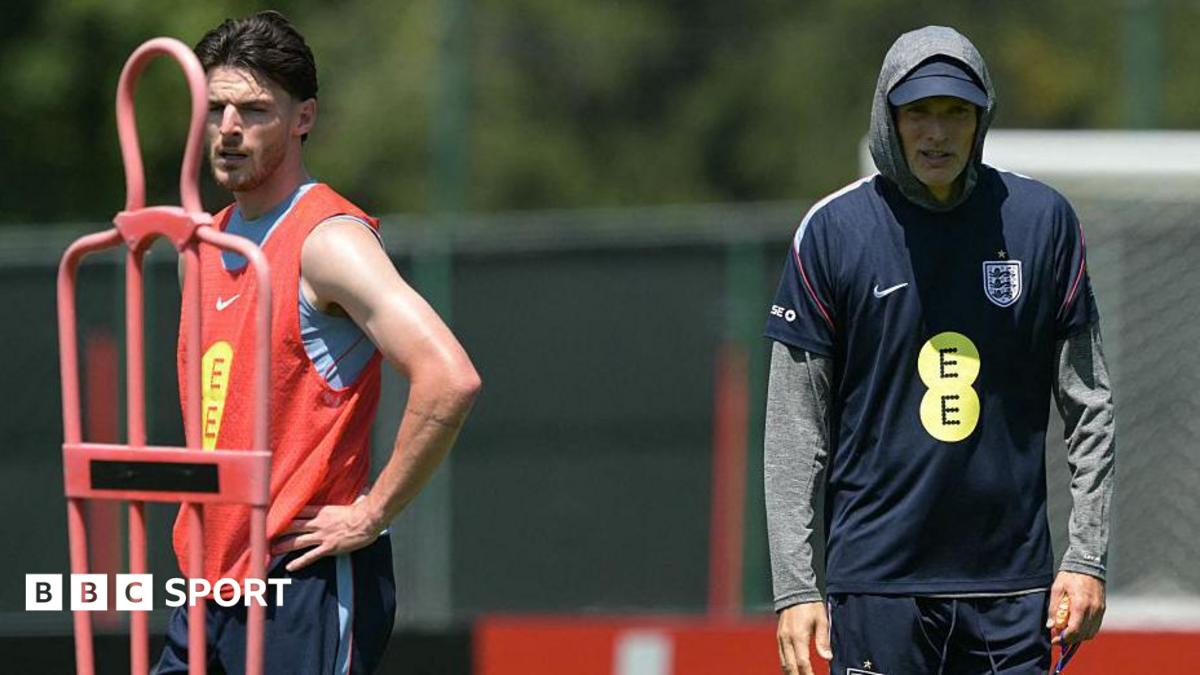
England staff were recently spotted in Kansas City utilizing active cooling hoodies to combat the intensity of the June heat. While much has been made of the 88-degree Fahrenheit humidity, the tactical implications for Thomas Tuchel are secondary to the physical regulation of his personnel. Elite performance metrics historically show a 10 to 15 percent drop-off in high-intensity sprints when body temperatures exceed specific thermal thresholds.
By prioritizing the physiological state of the players, Tuchel aims to maintain the high-pressing intensity that defined his tenure at Chelsea. However, cooling vests represent a marginal gain in a system that still lacks a definitive central identity in the final third. Constant hydration breaks and wearable tech are necessary, yet they do not resolve the fluidity issues shown in recent qualification cycles.
The data behind the heat
Kansas City has presented a unique challenge for European sides conditioned to temperate climates. When temperature rises above 25 degrees Celsius, passing accuracy typically degrades by 4.2 percent in the final 20 minutes of play. England’s reliance on short-distance, intricate passing patterns makes them particularly vulnerable to these thermal fatigue trends.
The data suggests that tactical rigidity often increases as fatigue sets in. In high-heat fixtures observed in 2024, teams failing to manage core temperature saw a 19 percent decrease in successful progressive carries. If Tuchel cannot rotate his squad effectively, the cooling technology will be little more than a placeholder for a failing conditioning strategy.
Tuchel’s dependency on rigid structure
The tactical setup under Tuchel requires constant lateral adjustments to maintain defensive cover. In the match against Qatar, the side struggled to transition once the primary ball-winner was removed from the pitch, as recent reports on Canada's struggles demonstrate the impact of losing a pivot. England’s possession stats often hover around 62 percent, yet the expected goals (xG) generated per possession remain stagnant.
The reliance on these cooling interventions highlights a broader coaching philosophy that favors controlling the environment over adapting to the flow of the match. While BBC coverage of the tournament has moved toward digital studio representation, Tuchel remains physically present on the touchline. His focus on the fringe details, like temperature regulation, contrasts with the disjointed movement of his attacking line.
Statistical reality check
The goal differential for teams training in temperatures exceeding 30 degrees Celsius shows a distinct trend toward lower-scoring draws. England has historically struggled to convert high possession into shots on target during these mid-day kickoffs. In their last three warm-weather friendlies, the conversion rate sat at a dismal 8.3 percent.
The coaching staff's obsession with these external cooling aids suggests a lack of confidence in the squad's natural endurance. True tactical dominance is built on spacing and pressing triggers, not on keeping the backroom staff from overheating. If England exits early, the 40-degree heat will be cited by proponents of this cooling technology, ignoring that the technical failings were present long before the training session started.