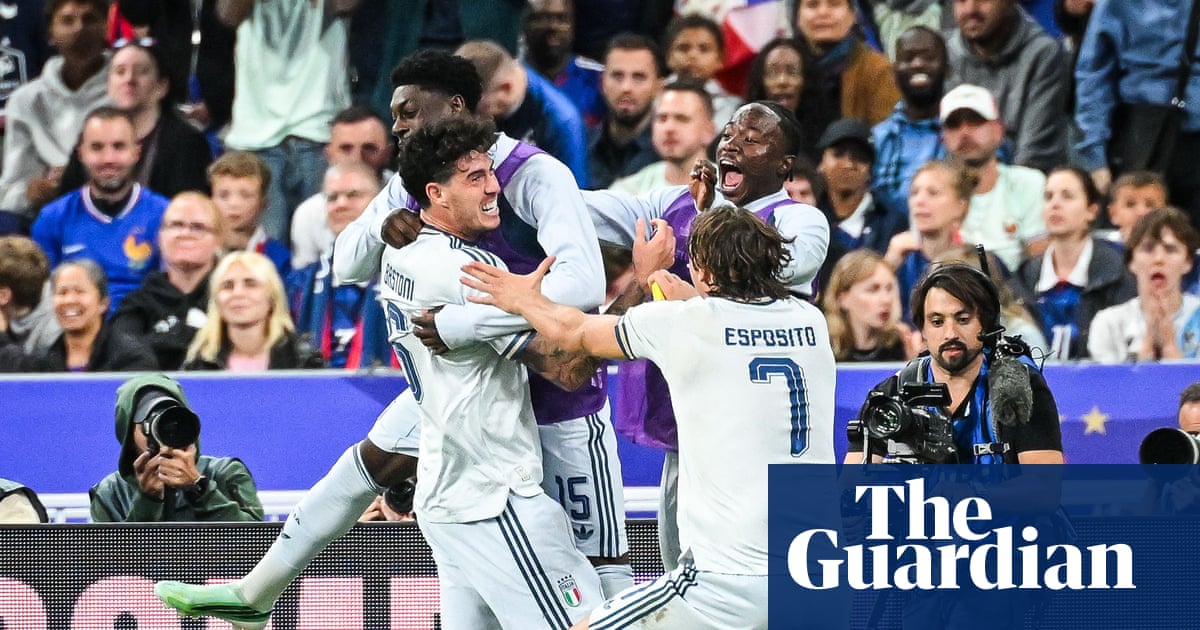
The fallout from the final whistle
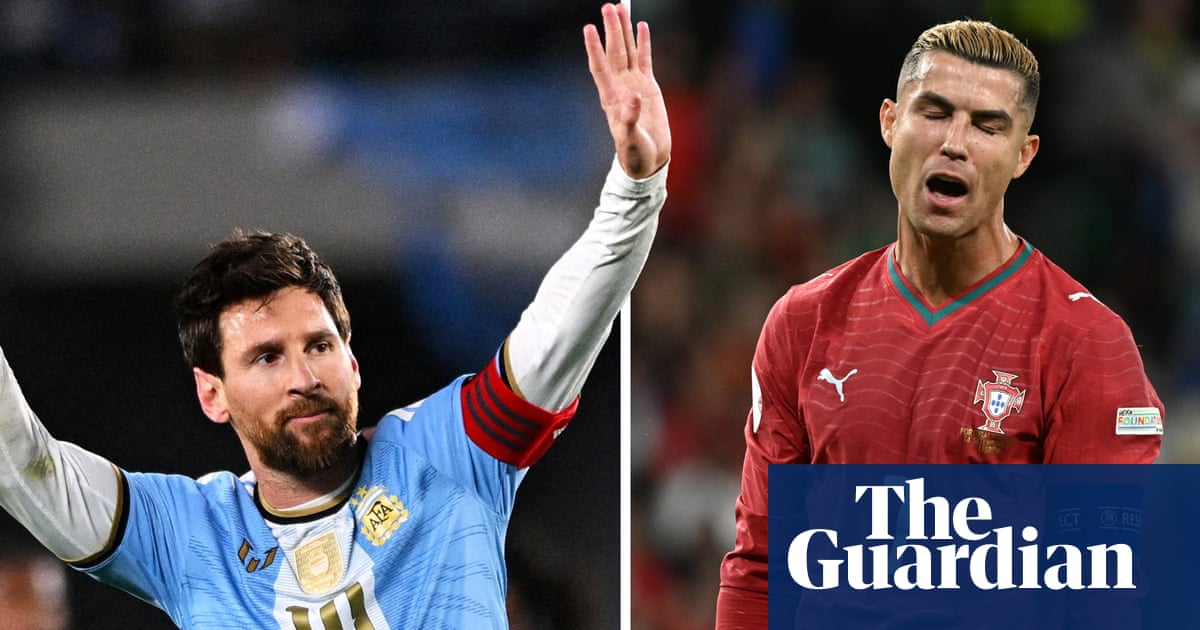
The celebrations in the wake of the 2026 World Cup final have moved from the pitch to the halls of FIFA headquarters. Officials have confirmed they are opening an investigation into the conduct of the Argentina squad following their victory. The scrutiny focuses on specific incidents captured in the immediate aftermath of the match, where the line between national pride and unprofessional conduct was breached.
Observers noted that the behavior of several key individuals defied standard protocols for post-match ceremony etiquette. This is not simply about post-game exuberance; FIFA is looking at tangible breaches of disciplinary codes. The optics, particularly under the glare of a global audience, have forced the governing body to intervene despite Argentina securing the trophy.
Tactical discipline versus squad culture
The investigation highlights a disconnect. While the coaching staff maintained high levels of defensive shape throughout the tournament—often banking on a rigid 4-4-2 block when leading by a single goal—the senior players failed to replicate that discipline off the grass. During the knockout rounds, their xG against remained remarkably low, often hovering near 0.6 per 90 minutes. However, the emotional regulation of the squad proved far more volatile.
We have seen these cultural issues manifest before. The squad’s tendency to bait opponents into ill-disciplined reactions suggests a calculated, if unattractive, psychological approach. When a referee loses control of the match, as seen in the final, this style of play invites chaotic scenes. The failure to manage the transition from competitive intensity to respectful conduct has resulted in a formal FIFA investigation into their behavior.
The shadow over a title
This investigation could lead to significant financial penalties or individual suspensions for the opening of the next international cycle. It is a grim reminder that technical brilliance does not absolve a side of its obligations to the governing body. Critics argue that the coaching staff has cultivated a 'win-at-all-costs' culture that prioritizes confrontation over decorum.
Watching the replays of the 94th and 97th minutes of the final, the frustration among the opposition was palpable—not just at the result, but at the confrontational manner in which victory was handled. The tactical masterclass they displayed on the pitch was overshadowed by the lack of maturity shown when the medals were handed out. If FIFA imposes heavy sanctions, it may force an internal reckoning regarding the leadership presence within the dressing room.
Looking toward the September window
The question for the fans is how this affects the upcoming qualifiers. Morale can crater when a triumph is followed by legal inquiries. Argentina has a 74% win rate under the current regime, but the squad faces a difficult challenge in September. They must prove they can rely on their tactical efficiency rather than chaotic theater if they want to retain the respect of the international community.
My prediction? Expect a heavy fine rather than a points deduction, though individual bans for the team captain and a starting center-back are likely. They will maintain their spot at the top of the table, but the public goodwill for this specific title run is rapidly evaporating. Any repeat of these antics in the next international window will see FIFA act with far more severity than a standard reprimand.
Read Next