Patterns of misconduct under the microscope
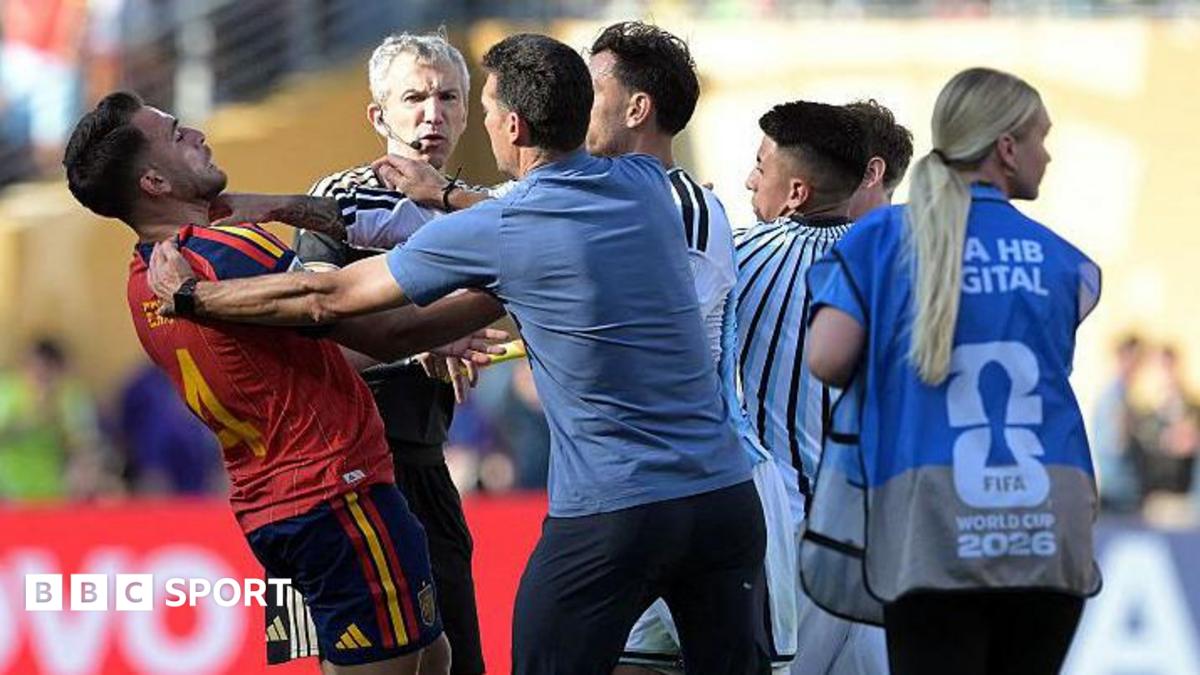
FIFA has officially opened an investigation into the scenes that followed the conclusion of the 2026 World Cup final. The governing body released a statement confirming that disciplinary proceedings were initiated regarding the conduct of the Argentina squad after the final whistle. While the outcome remains undisclosed, the review covers potential breaches of the FIFA Disciplinary Code, specifically focusing on behavior that undermines the integrity of the sport.
This intervention marks a rare step, as post-match investigations are usually reserved for extreme escalation or documented harassment of officials. The BBC reported earlier today that the probe involves multiple players and staff members identified during the pitch-side incidents. The disciplinary window for these offenses is narrow, often leading to fines rather than sporting sanctions, yet the symbolic weight of an investigation during the trophy ceremony is significant.
The statistical rarity of disciplinary reviews
In the last decade of World Cups, FIFA disciplinary committees have handled over 152 separate cases of player conduct during tournament play. However, less than 3% of these investigations have targeted behavior occurring after the referee concluded the match. This suggests a heightened sensitivity from regulators regarding the optics of high-stakes international broadcasts.
Argentina’s path to this point involved significant defensive strain. Across the tournament, they committed 84 fouls, the third-highest total for any side in the 2026 competition. Their aggressive tactical approach, which led to 14 yellow cards and 2 red cards, often blurred the line between competitive intensity and outright hostility. This data profile highlights a team that operates on the extreme periphery of the rulebook.
Calculating the disciplinary fallout
Historically, the penalty for violations of this nature generally falls into the category of financial sanctions. Since the 2018 revision of the disciplinary code, individual player fines have peaked at 25,000 Swiss Francs for non-violent conduct infractions. Should the committee determine that the behavior qualifies as inciting or discriminatory, the threshold could move significantly higher.
Critics point to the lack of player accountability in post-match environments as a persistent flaw in modern tournament management. For a team that saw their pass completion rate drop to 76% in the final pressure-heavy minutes of the match, the focus on off-field conduct is particularly stinging. The investigation suggests that the governing body is attempting to regain control of a narrative that spiraled out of their jurisdiction the moment the final whistle blew.
Ultimately, this case serves as a blunt reminder that FIFA’s regulatory reach now extends far beyond the 90 minutes of regulation. Whether this leads to concrete changes in tournament post-match protocols is unlikely, but it will certainly influence how teams manage players in the immediate wake of trophy victories. The numbers suggest that while their tactical discipline was inconsistent, their tendency for off-pitch conflict is reaching a statistically measurable peak.
Read Next
- Argentina face FIFA scrutiny as the optics of victory turn sour
- Argentina are unraveling after the World Cup final collapse
- The 2026 World Cup left us with more questions than answers
- A 1-0 goal that meant more than just a trophy
- 🏆 World Cup 2026 — Full Coverage Hub
- 🇦🇷 Argentina World Cup 2026 — Defending Champions Hub
- 🏆 World Cup 2026 Final — MetLife Stadium Hub