
The weight of a record: How Messi finally eclipsed the Klose mark
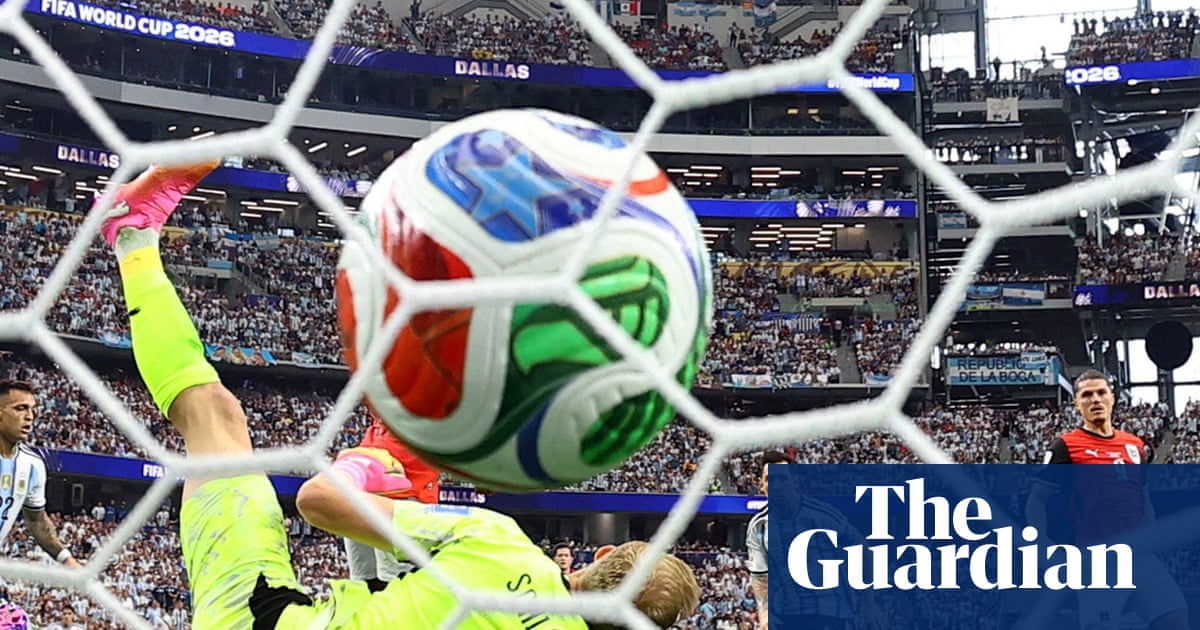
A historical checkpoint in the desert
Lionel Messi is thirty-eight years old, yet he continues to occupy space in the global football discourse that should belong to players a decade his junior. By breaking Miroslav Klose’s long-standing World Cup goalscoring record during Argentina’s match against Austria this month, Messi has effectively closed the door on a statistical argument that dominated international football since 2014. Watching him stand over the ball, one is struck by the sheer volume of high-pressure moments he has authored across five separate tournaments.
The mechanics of his ascent to this specific summit were far from smooth. A missed penalty against the Austrians threatened to derail the statistical narrative before it could even get started. It served as a stark reminder that even in an era of hyper-optimized performance, the randomness of a twelve-yard spot-kick remains the great equalizer. As The Guardian reported, the delay was momentary, and the inevitability of him eclipsing the 16-goal mark Klose set in Brazil felt less like sport and more like an editorial fulfillment of an obvious conclusion.
The scrutiny of the elite
Predictably, the reaction to such milestones is never uniform. Peter Schmeichel, always one to offer a dissenting voice when the room gets too loud with applause, publicly questioned the legitimacy of one of the goals during that specific match against Austria. Whether you view this as healthy skepticism or curmudgeonly noise, it highlights a recurring trend in modern football coverage: the impulse to find an asterisk next to any monumental feat. According to recent analysis from Mirror Football, Schmeichel’s insistence that the refereeing or VAR checks were insufficient feels less like a forensic tactical breakdown and more like a frustration with the spotlight Messi constantly commands.
There is, however, a kernel of truth in the pushback against the constant veneration of the Argentina captain. When the coverage surrounding a single athlete becomes so overwhelming that it crowds out the rest of the sport, the discourse suffers. Publications like Football365 have noted that the fan-level exhaustion with this narrative is real. When every touch, every goal, and every post-match gesture is processed through a filter of canonization, it risks turning a competitive pursuit into a curated show.
Flaws in the pedestal
Beyond the media fatigue, we have to look soberly at the football being played. At 38, Messi is not the same player who dominated the mid-2010s in total yardage covered or sustained vertical displacement. He is operating on a razor-thin margin of tactical placement, relying on teammates to build the necessary shelter for him to operate in the final third. The dependence on FIFA-sanctioned narratives can create a distortion field where defensive lapses by opponents are reframed as tactical genius by the attacker.
If we strip away the record books, we are left witnessing a player who has outlasted his peak physical window by at least four years. The efficiency he displays now is clinical, but it is also fragile. Any team building their entire tournament identity around a 38-year-old center-forward is flirting with a structural collapse that one bad knockout game could expose. The obsession with his goal count hides the reality that Argentina's dependence on him is as dangerous as it is brilliant.
Ultimately, the mark stands. 17+ goals in the most demanding tournament on the planet is a data point that will baffle future analysts who lacked the context of seeing it happen in real-time. Whether or not every goal came under the perfect conditions is a debate for the bar, not the archives. We are watching the closing pages of a career that shifted the math of football. If the fans are tired of the constant reverence, they should remember that we haven't seen a drop-off worthy of the skepticism yet. That, in itself, is the most baffling stat of all.
Read Next
Behind the Curtain: Footballing Adventures in Eastern Europe by Jonathan Wilson
A deep dive into the culture and passion of football beyond the big leagues.
Frequently Asked Questions
Whose World Cup goalscoring record did Lionel Messi break?
How many World Cup tournaments has Lionel Messi participated in?
What moment nearly delayed Messi from breaking the record against Austria?
Why did Peter Schmeichel criticize one of Messi's recent goals?
How has Messi's playing style changed at age 38?
More Coverage
On This Day in Football: September 23
10 hours ago
Lionel Messi is buying CD Eldense while fighting Father Time in Miami
2 weeks agoOn This Day in Football: September 09
2 weeks ago
Did Mike Dean really refuse to blow his whistle in Fulham vs Wolves?
2 weeks, 4 days agoMessi's Argentina retirement hurts, but we got the fairytale ending in Qatar
3 weeks, 1 day ago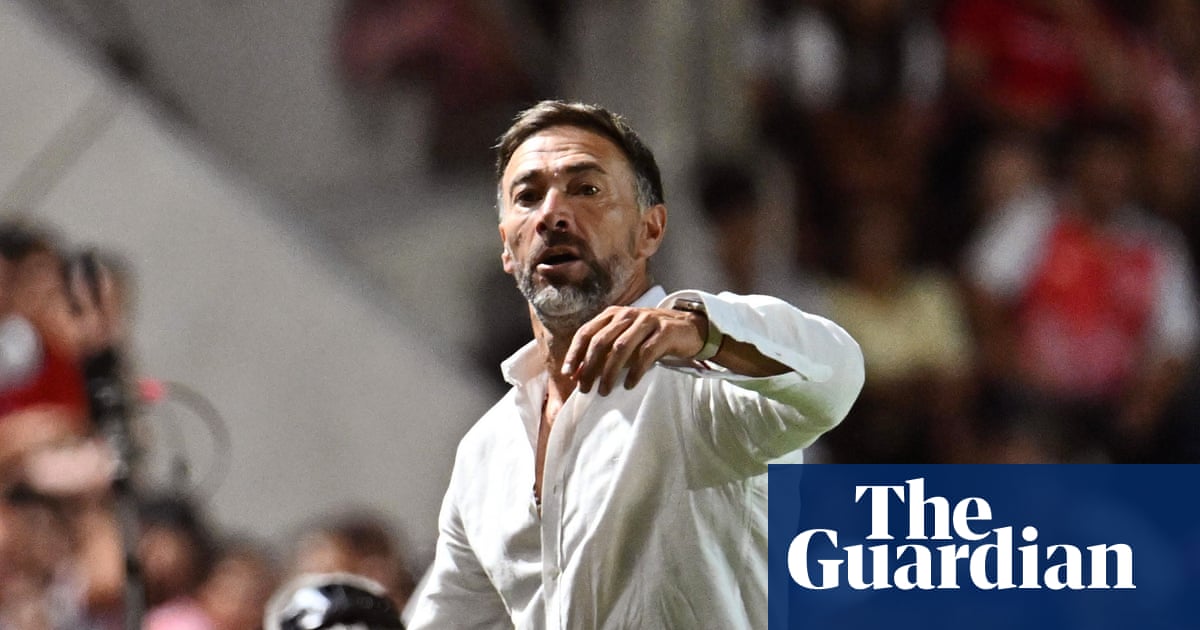
Inter Miami hiring Kily González feels like a massive tactical mistake
3 weeks, 5 days agoMore Analysis
On This Day in Football: September 23
10 hours ago
Lionel Messi is buying CD Eldense while fighting Father Time in Miami
2 weeks agoOn This Day in Football: September 09
2 weeks ago
Did Mike Dean really refuse to blow his whistle in Fulham vs Wolves?
2 weeks, 4 days agoMessi's Argentina retirement hurts, but we got the fairytale ending in Qatar
3 weeks, 1 day ago