Grab a Cold Pint and Let's Talk About the Seattle Meltdown
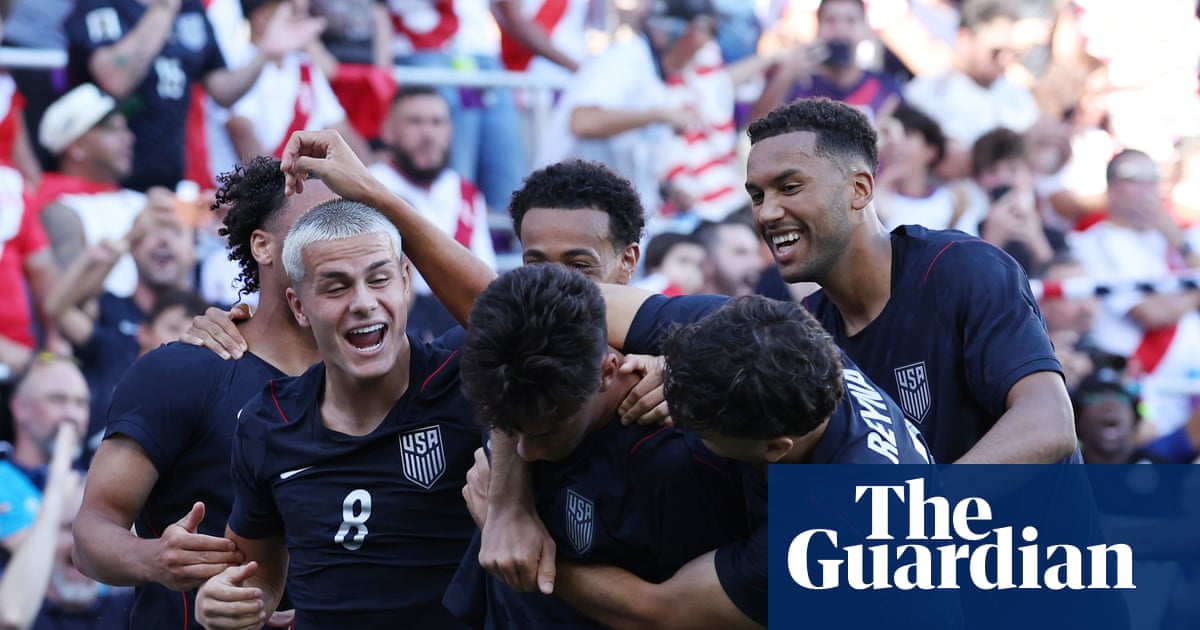
Pull up a barstool, grab a cold pint, and let's talk about the absolute circus that just went down in Seattle. The United States men's national team is officially out of the World Cup, sent packing by a Belgian team that did not even need their best players on the pitch to get the job done. The final scoreboard read 3-1, but even that flattering scoreline does not capture the sheer, unadulterated comedy of the third goal.
We are talking about a tournament where the USMNT was supposed to show they belonged on the big stage. Instead, they showed they cannot even handle basic communication in their own penalty box. It was a performance so lacking in professional standard that it felt like a collective fever dream for the fans in attendance.
You can blame the tactics or the selection all you want, but this came down to individual brain fades. When the pressure ramped up, the players we trusted to keep things steady folded like cheap lawn chairs. It was a complete capitulation from a group that talked a big game but delivered absolutely nothing when the lights were brightest.
How the Calamity Unfolded on the Pitch
The Anatomy of a Calamity
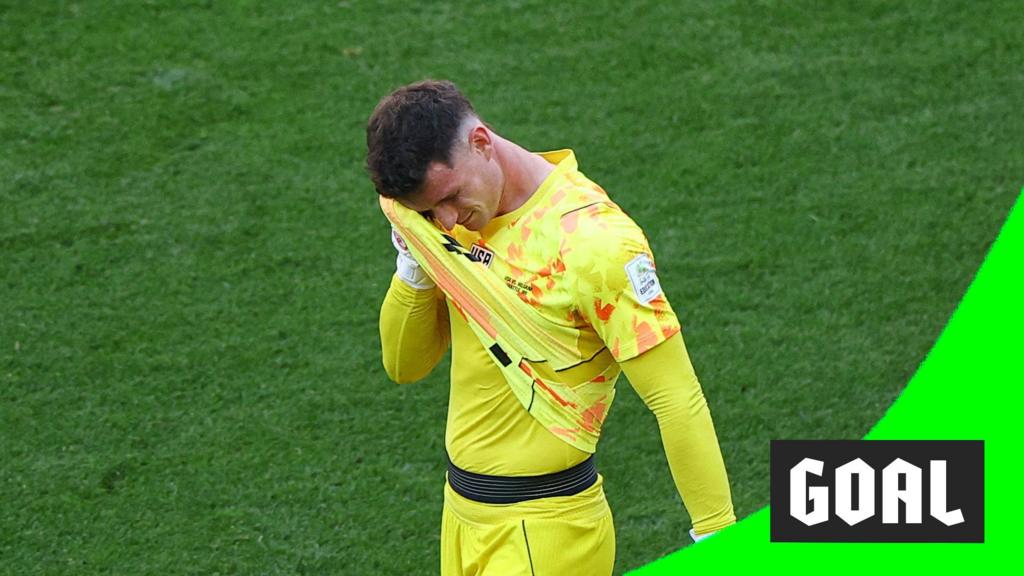
Let us look at the moment that sealed the match. The USMNT was down but still fighting, trying to claw their way back into the contest. Then, the universe decided to play a cruel joke, and goalie Matt Freese was more than happy to deliver the punchline.
It started with a simple backpass that should have been routine. Instead of clearing the ball or making a simple pass to his fullback, Freese froze up like a bad software update. He took a heavy touch, hesitated, and basically served the ball on a silver platter to Hans Vanaken.
As the BBC video analysis shows, it was a total breakdown in decision-making. Vanaken did not even have to work for it. He just stood there, accepted the gift, and rolled the ball into the net while the entire stadium went dead silent.
You cannot make this stuff up. This is the knockout stage of a World Cup, not a pre-season friendly in North Carolina. If you make that kind of error at this level, you deserve to go home on the next flight.
The mental fragility on display was staggering. Freese has shown promise in the MLS, but this was a stage too big for him. When the lights got bright, he looked completely overwhelmed by the gravity of the occasion.
Tim Ream is Running on Fumes
But Freese does not get to carry the blame alone. Let us talk about Tim Ream, the veteran defender who looked like he was running through wet cement. Ream has been a great servant to the national team, but his reaction to the error was painful to watch.
When the ball was turned over, there was still a slight chance to recover. Ream had the angle, but his recovery run was slow and lacked any real urgency. He stood there watching the disaster unfold instead of throwing his body in the way of the shot.
The BBC coverage of the goal pointed out that Ream could have done much more to prevent the finish. Instead, he gave us the classic defender look of throwing his hands up in frustration. It was a defeatist attitude from a player who is supposed to be the leader of this backline.
We have to ask why Ream is still starting these massive games. He is thirty-eight years old, and the modern game is just too fast for him. Leaving him out there to get exposed by dynamic Belgian attackers was a coaching failure of the highest order.
The physical decline has been obvious for months. Yet, the coaching staff refused to phase in younger, faster center-backs. That stubbornness came back to bite them in the worst way possible.
The Systemic Failure and Goalkeeping Crisis
A Complete Lack of Identity
This match exposed the deeper issues within US Soccer. For years, we have been told about the golden generation and the progress we are making. But when we face a quality European opponent, we look like we are playing checkers while they are playing chess.
Belgium did not even need to play well to beat us. They sat back, waited for us to make mistakes, and punished us with clinical efficiency. The third goal was just the cherry on top of a very bitter sundae.
Look at the midfield battle. Johnny Cardoso and Yunus Musah were constantly chasing shadows. They could not keep possession, and they could not protect the back four from the runners coming from deep.
And when we did get the ball, our attacking play was completely toothless. Folarin Balogun was isolated up front, receiving zero service from the wings. It was a masterclass in how not to build an attack.
We keep hearing about the project and the progress, but the results say otherwise. We are still making the same basic errors that we made a decade ago. It is time to stop making excuses and start demanding real accountability.
The Goalkeeping Crisis is Real
For decades, the one thing the United States could always produce was elite goalkeepers. We went from Kasey Keller to Brad Friedel to Tim Howard. Those guys were Premier League stalwarts who could win games single-handedly.
Now, we are starting Matt Freese in a World Cup knockout game. That is not a knock on Freese's character, but he is simply not at that level. The drop-off in quality at the position is a massive red flag for the entire program.
We do not have a single keeper playing regularly in a top-five European league. Our best options are benchwarmers or MLS starters who do not get tested week in and week out. The highlight reel of the third goal is the perfect illustration of this decline.
It is a technical failure in how we develop keepers in this country. We focus too much on athleticism and not enough on footwork and decision-making. When you play out from the back, those technical deficiencies get exposed instantly.
If we do not fix this goalkeeping pipeline, we will continue to struggle against top-tier teams. You cannot win knockout matches when your goalie is a walking liability.
The Death of the Soccer Myth
We have been fed a constant diet of hype about how MLS is growing and our players are conquering Europe. But this match was a bucket of cold water to the face. The gap between us and the elite is not closing; it is getting wider because we are refusing to adapt.
We celebrate players simply making the bench in Serie A or the Premier League. Meanwhile, countries like Belgium just roll out their B-team players and play us off the park. It is a sobering reality check that we desperately needed.
Where Do We Go From Here?
This tournament was supposed to be the launchpad for the 2026 cycle. Instead, it feels like a massive step backward. The fans who packed the stadium in Seattle deserved much better than the amateur hour they got.
First, the coaching staff needs a complete overhaul. The tactical inflexibility and questionable selection choices have held this team back for too long. We need a manager who can implement a modern system and hold players accountable.
Second, we need to move on from the veterans who are past their prime. Tim Ream has had a great career, but his time in the national team shirt must end now. We have to commit to the youth, even if it means taking some lumps along the way.
Finally, the players themselves need to take a hard look in the mirror. They have been treated like superstars by the domestic media, but they have done nothing on the international stage to warrant that praise. It is time to put head down and actually work.
The Seattle meltdown should be a wake-up call for everyone involved. If we do not make changes now, we will be writing the exact same article in four years. And frankly, I do not think my liver can handle another night like that one.
Read Next
- Pochettino is about to run the USMNT straight into Belgium's tactical trap
- US Soccer got exactly what it deserved in Seattle
- Christian Pulisic's World Cup ends in injury as USMNT crashes out against Belgium
- How the USMNT bent the rules for Balogun and got bounced anyway
- 🏆 World Cup 2026 — Full Coverage Hub
- 🇺🇸 USMNT World Cup 2026 — Team USA Coverage Hub
- ⚽ MLS 2026 Season Hub — World Cup Year Guide