The shadow cast by the World Cup
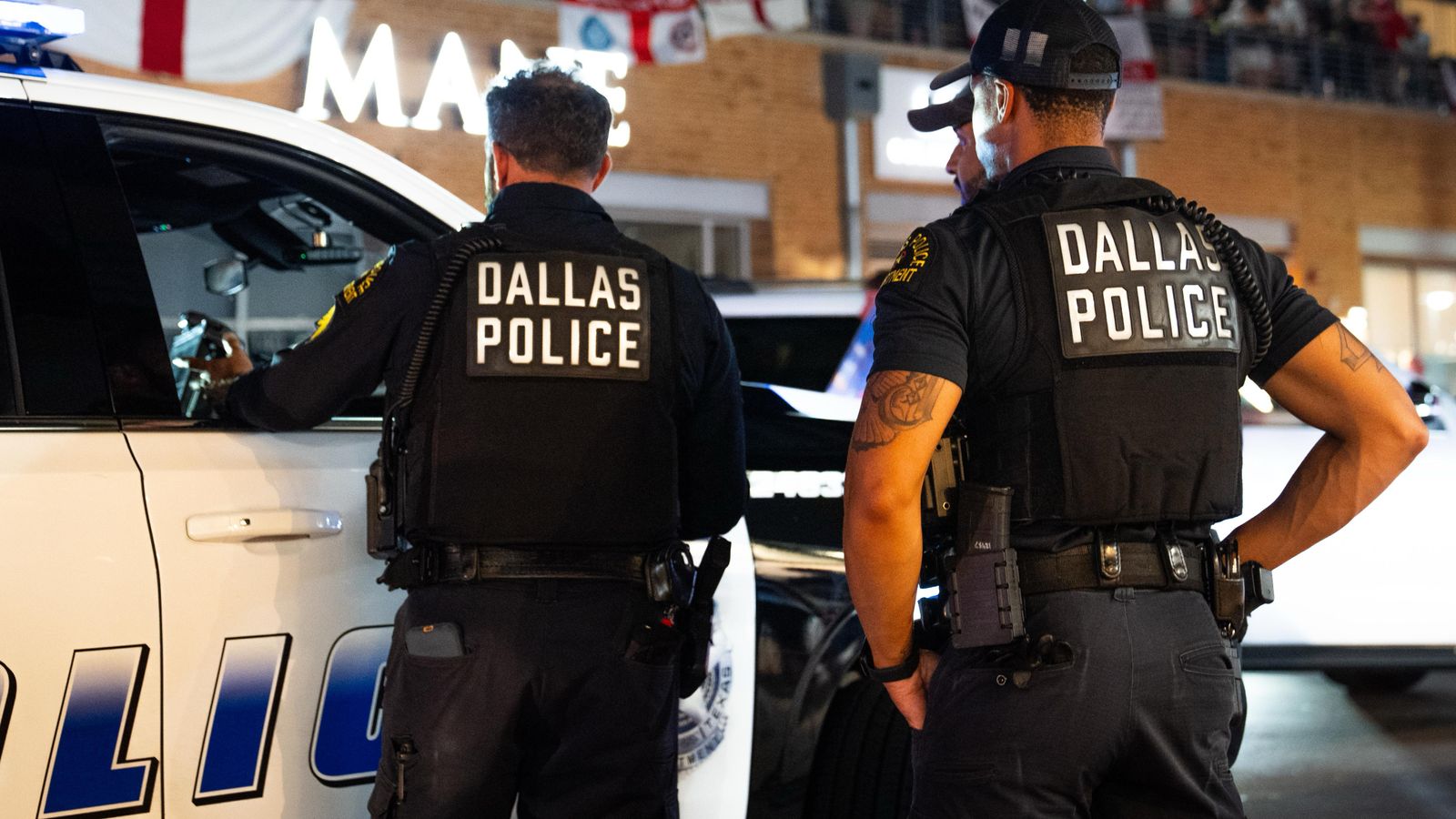
Pull up a chair and lower your voice for a second, because we need to talk about something that makes the standard post-game ref-blaming look like child's play. If you live your life inside the bubble of xG stats and transfer rumors, you might have missed the sobering report via Sky Sports regarding domestic abuse incidents during this summer’s tournament. It is a nauseating reality check for a fan base that prides itself on passion.
The data shows a massive spike in reports connected to England match days. We sit here screaming at the television when a center-half misses a clearance, but for too many, that frustration doesn't stay in the bar or the living room. It bleeds into private homes with horrific consequences. When report numbers hit record highs, the ‘passionate fan’ defense loses every shred of its validity.
The internet reacts to the grim reality
The reception online has been predictably polarizing. You have the voices calling for a complete cultural shift in how we consume football, juxtaposed against the usual blockheads who think criticizing the toxicity of fan culture equates to an attack on the sport itself. It is the classic clash between people who want the game to grow up and the people who want to keep living in 1985.
The reformers and the skeptics
One sentiment echoing across forums is that football culture in the UK has a uniquely violent streak when the stakes are high. One user posted that the beer-soaked, testosterone-fueled environment of the pubs during England games serves as a catalyst for individuals who are already prone to violence, essentially weaponizing the nerves of the tournament.
The connection between major sporting event pressure and domestic violence isn't a glitch in the system; it's a feature that we refuse to acknowledge until the numbers become impossible to ignore.
On the flip side, the contrarians are out in full force. They argue that blaming the tournament for the behavior of abusers is a deflection from the individual’s moral failure. While techinically true, it ignores the systemic reality that the tournament provides the specific pressure cooker environment where these incidents escalate at a record pace.
The uncomfortable truth we have to face
My take? The skeptics are doing the bare minimum by isolating personal accountability. Of course the abuser is responsible for their actions. Saying someone is an idiot for blaming the game doesn't change the fact that the spikes are locked to the schedule of the 2026 World Cup. We can walk and chew gum at the same time: hold the abuser accountable while acknowledging that our drinking and viewing culture is enabling a massive, preventable surge in harm.
We spend weeks analyzing a dodgy offside call from the 44th minute, yet we treat these societal statistics like they are background noise. It is pathetic. The sport should not be a trigger for domestic terror. If you can’t handle a tournament result without losing your grip on basic human decency, you should be barred from the pubs and the stadiums entirely.
A plea for the future of the terraces
The romanticism of the ‘true football fan’ has been used as a shield for antisocial behavior for far too long. If the sport is so life-or-death that you think it justifies putting your hands on someone, then you are not a fan—you are just a liability. We act like the game is the greatest thing on earth, but if this is the recurring price of admission, the entire culture needs a purge.
There is no ‘take’ here that makes this okay. There is no nuance to be mined from the statistics that makes them anything other than a black eye on the sport we claim to love. If we can organize travel plans for three thousand miles and coordinate complex singing section choreography, we can surely figure out how to stop being monsters on match days. Watching this unfold has been a miserable experience, and if you aren't angry about it, you aren't paying enough attention.