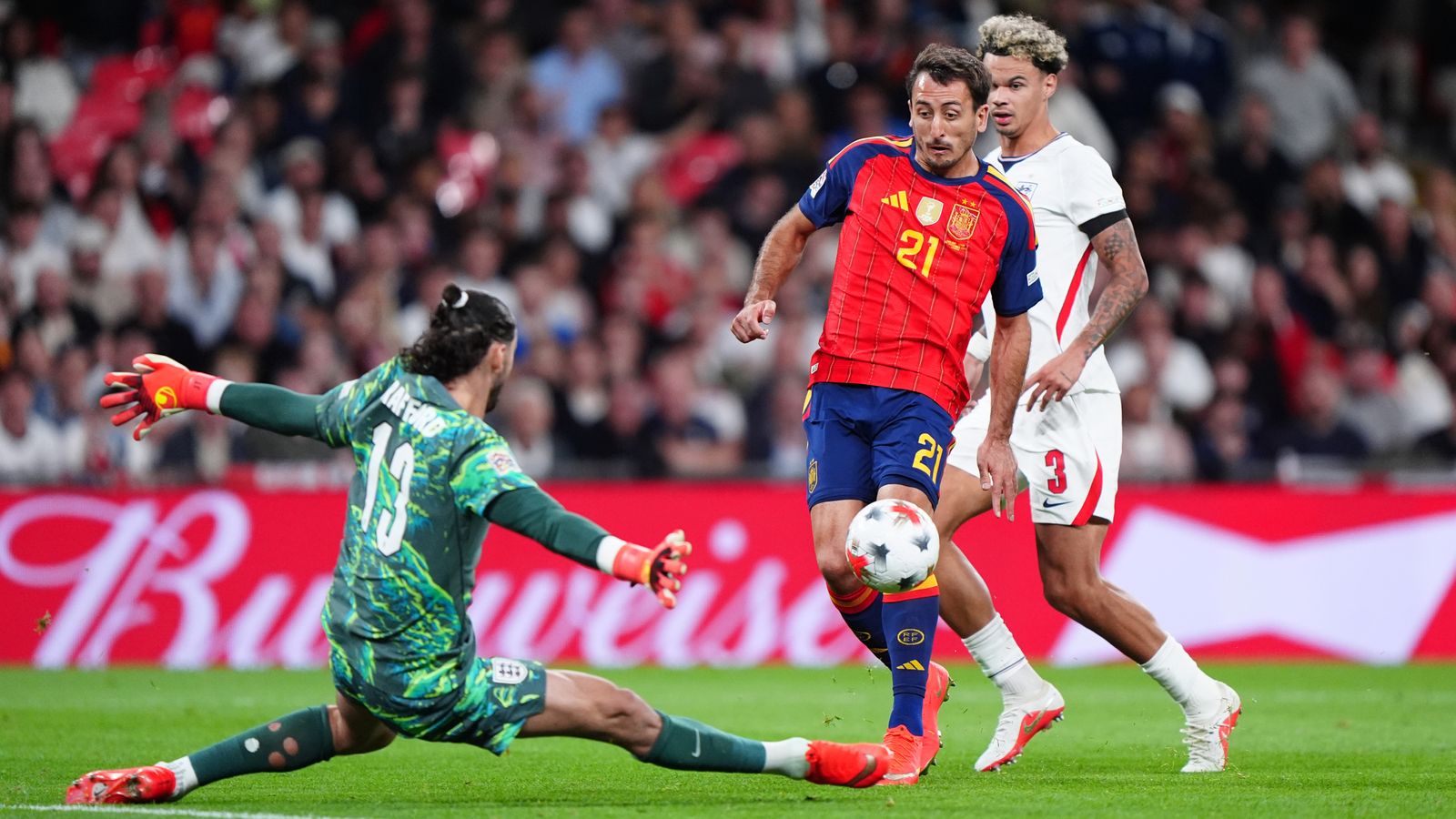
Tactical patience and the danger of France's transition game
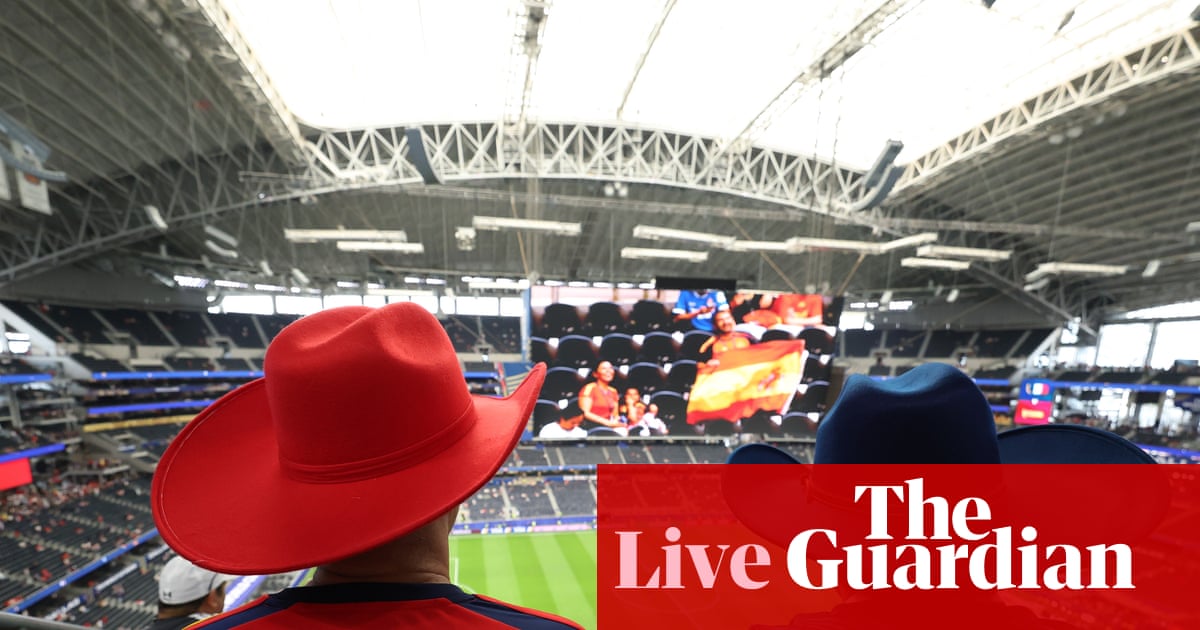
The French defensive block remains the standard
As we sit on the morning of July 14, 2026, the football world turns its collective gaze toward the France and Spain semi-final. France enters this match not just as a favorite, but as a team that has perfected the art of mid-block containment. Their ability to force opponents into wide areas before collapsing inward on the ball carrier has been the cornerstone of their progression through this tournament.
Spain, conversely, continues to prioritize verticality over the possession-heavy approach that defined their previous era. While the Spanish midfield often records high pass completion rates, their actual progress toward the final third depends on quick switches of play. If the Spanish wide players fail to pull the French full-backs out of position early in the match, they are going to find themselves running into a wall.
The evolution of English spatial management
England remains a cautionary tale regarding the dangers of tactical stagnation. As analyzed in my earlier look at the Atlanta semi-final, the tendency to rely on individual talent at the expense of consistent spacing often leads to moments of tactical friction. Gareth Southgate found that out the hard way when Argentina dismantled his transition game, proving that high-stakes matches are won in the gaps between lines, not through reputation.
The current England side, as noted during their evolution under Jude Bellingham, has shifted from rigid defensive setups to this modern, possession-heavy transition game. But if there is one flaw, it is the propensity for the engine room to get caught too high up the pitch. When the ball is turned over, recovery runs become desperate, exposing the center-backs to direct dribbling metrics that simply should not reach them.
The risk of individual over-reliance
There is a specific danger in expecting a single player to act as the sole pivot for a national team's ambitions. Bellingham is clearly world-class, yet asking him to facilitate every defensive transition and every offensive buildup is a recipe for fatigue by the 75th minute. We saw this exact pattern occur when England struggled to regain control after losing possession in their recent clashes.
France, by comparison, distributes the responsibility of recovery across their entire front six. Their structure allows for a more consistent distribution of energy, ensuring that even if their primary playmaker is neutralized, the team structure remains intact. Whether Spain can exploit the occasional lapses in France's defensive rotation will define their success today. If the Spaniards hold the ball for long stretches without creating clear vertical passing lanes, they are playing directly into France's hands.
Tactical reality versus sentimental hope
Matches on this stage are rarely decided by flair; they are decided by the efficiency of counter-pressing. Spain's high defensive line is a high-risk strategy that could lead to a scoreline like 2-0 if they are careless with possession in the defensive third. Conversely, if England had refined their spatial awareness earlier in the season, they might have navigated their semi-final path with more security than they ultimately demonstrated.
Ultimately, today's winners will be the side that prioritizes positional discipline over artistic expression. We should look for the team that maintains a tight distance between their midfield and defensive line, particularly when they reach the 60th minute mark. That is when the game breaks open, and that is when the lessons of the previous two weeks will be finalized.
Read Next
- Thomas Tuchel is two games away from a geopolitical nightmare
- France and Spain are repeating history in Dallas
- World Cup semi-final showdowns: France-Spain and the England-Argentina shadow
- Why Spain's midfield will suffocate France's new-look attack
- 🏆 World Cup 2026 — Full Coverage Hub
- 🇫🇷 France World Cup 2026 — Les Bleus Hub
adidas Tiro 23 League Training Pants
The iconic, streamlined soccer pants upgraded for modern comfort.
Frequently Asked Questions
How does the French defense neutralize opposing attacks?
What is Spain’s current tactical priority against France?
Why has England’s tactical approach been considered a cautionary tale?
What happens when teams rely too heavily on a single playmaker?
How does France maintain their defensive structure during the match?
More Coverage

Arsenal face Leeds with Arteta locked in and a point to prove
5 days, 7 hours ago
Top 10: World Football's Biggest Storylines, Scandals, and Shocks of 2026
6 days, 7 hours ago
Portugal are finally better off without Cristiano Ronaldo
6 days, 15 hours ago
Michael O'Neill's youth movement is ahead of schedule, but flaws remain
1 week ago
Arsenal's crisis deepens while London City redefine WSL pressing
1 week ago
Renée Slegers is running out of time to fix Arsenal's tactical chaos
1 week agoMore Analysis
Top 10: World Football's Biggest Storylines, Scandals, and Shocks of 2026
6 days, 7 hours ago
Northern Ireland Turning Into 2004 Chelsea Is Peak Nations League
1 week ago
Zidane's France debut exposed structural issues talent cannot fix
1 week, 3 days ago
England lost to Spain but the Nations League is actually working
2 weeks ago
England lost to Spain again, so why is nobody screaming at Thomas Tuchel?
2 weeks, 1 day ago