The data confirms the stutter is a liability
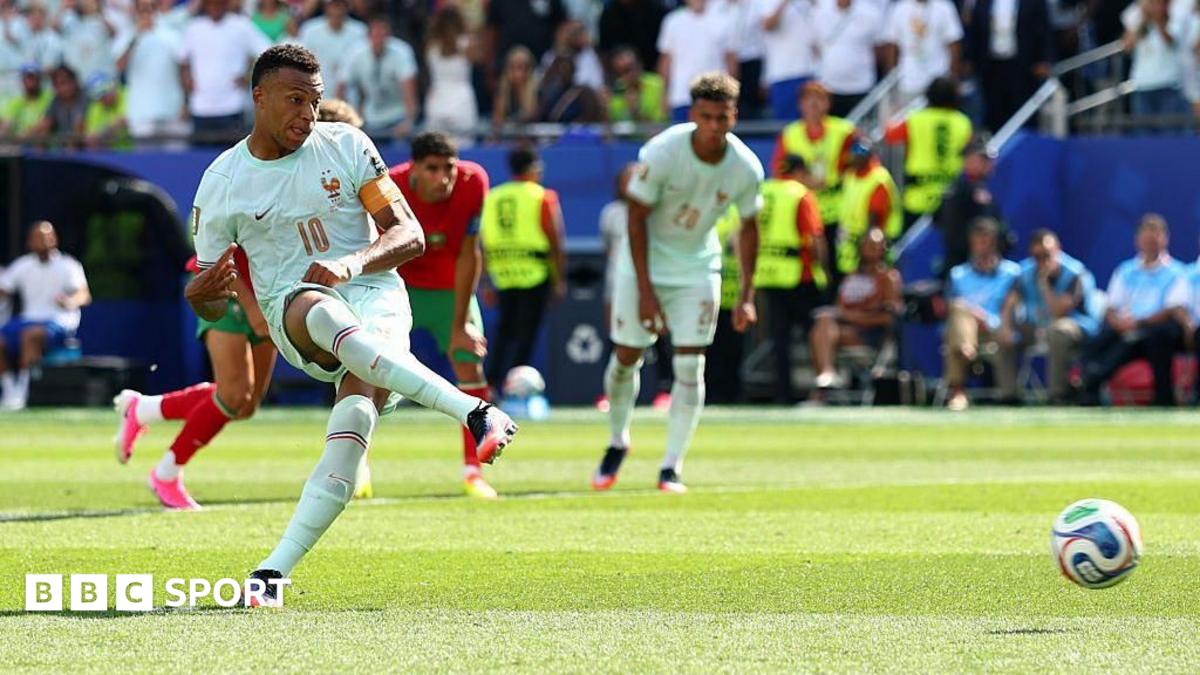
Modern penalty taking has morphed into a psychological arms race, but the numbers suggest the attackers are losing. Kylian Mbappe’s recent failure against Morocco—where he stuttered his way into a predictable miss—serves as a cautionary tale.
When a player stops their momentum, they surrender the initiative to the goalkeeper. By freezing the run-up, the kicker provides an extra fraction of a second for the keeper to commit to a side or read the body language of the approach.
Efficiency metrics don't lie
Research indicates that players who maintain a fluid, high-velocity approach hit their targets with significantly more precision. The stutter turn is a relic of hubris, prioritizing flash over the cold geometry of a well-struck ball into the top corner.
Mbappe, despite being one of the world's most gifted finishers, looked uncomfortable in his approach. His hesitation disrupted the natural rhythm needed to generate raw power on the strike.
Why elite keepers love the hesitation
Look at the Moroccan goalkeeper’s reaction in that quarter-final. He didn't blink until Mbappe slowed down. By the time the ball was struck, the keeper had already adjusted his center of gravity to account for a diminished follow-through.
As recent analysis from the BBC highlighted, the statistical drop-off for stuttering takers is stark. You are trading a 80% conversion rate for one that hovers significantly lower, often resulting in saved shots or attempts that drift wide of the sticks.
Technical flaws in the technique
Beyond the psych-out factor, the physical mechanics are problematic. A stop in the run-up removes the kinetic chain generated from the sprint. You are forced to strike the ball from a static position, often resulting in a lack of zip and depth.
There is also the matter of officiating inconsistencies. If a referee deems the stop to be excessive, the goal could be chalked off or the kick retaken. It is an unnecessary variable in an already high-pressure situation.
The verdict for the remainder of 2026
I predict we will see a rapid decline in the use of the stutter-step as coaches begin to value pure ball striking over theatricality. Expect managers to enforce a strict 'eyes down and follow through' policy in training sessions.
Over the next six months, any player persisting with the stop-start motion will face mounting criticism if their team fails to advance. Efficiency must be the metric of choice, especially when the goal is 98% conversion in pressure-heavy match scenarios. It is time to retire the vanity project and return to the basics of striking a dead ball with intent and pace.