The Big Picture
The 2025/26 season was defined by extreme officiating controversy and tactical rigidity. We are looking back at the moments that truly shifted the needle before the summer break.
The Rankings
1. Jarell Quansah's controversial red card
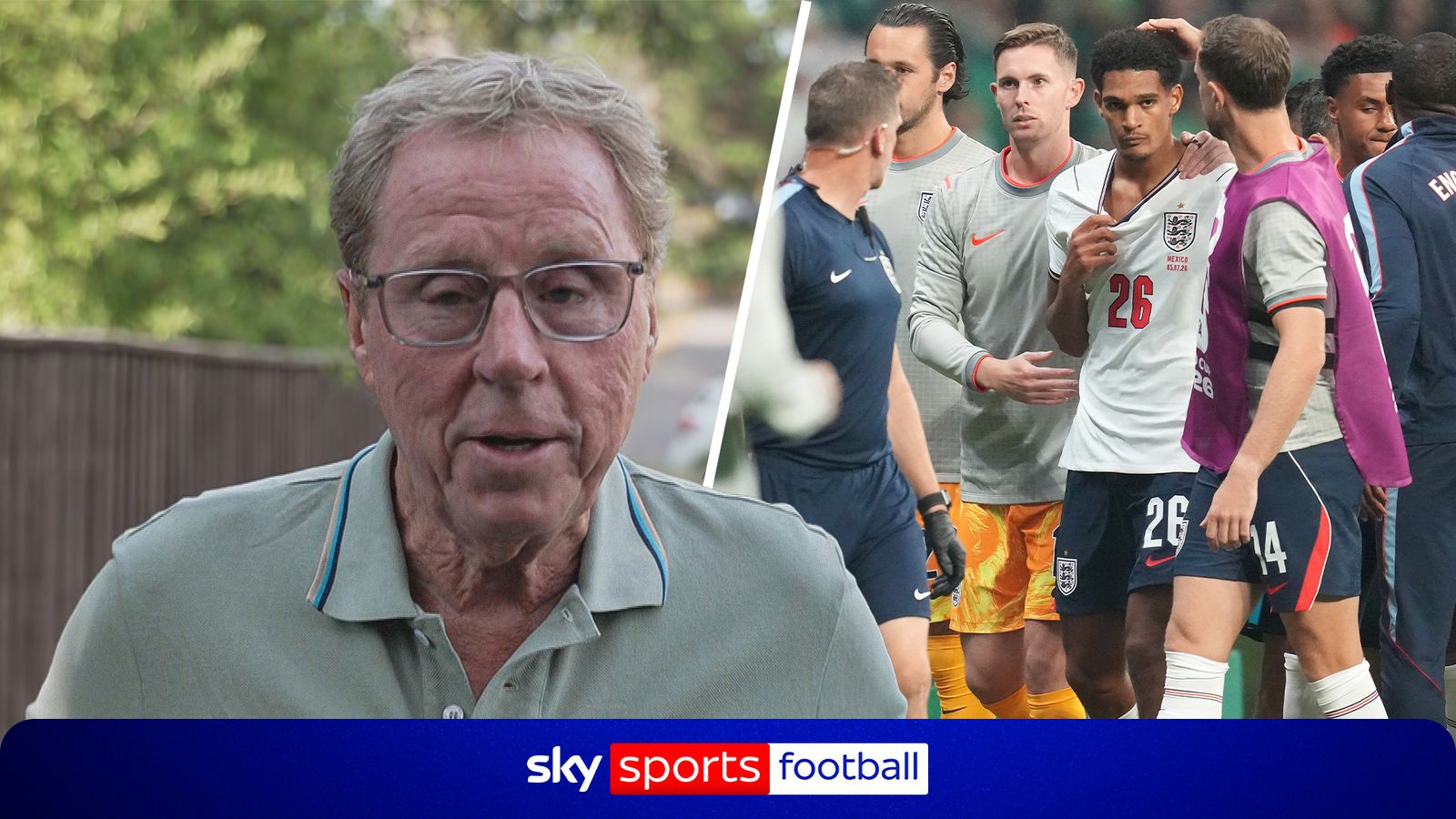
The decision to hand Jarell Quansah a two-match ban sparked a massive outcry across the English game. Harry Redknapp even publicly pleaded for the British PM to intervene, terming the officiating verdict harsh and detached from match reality. This moment defined the end of the Liverpool campaign.
It sits at the top because it exposed the disconnect between VAR protocols and common sense. As reported by Sky Sports, the severity of the punishment crippled the team's defensive rotation. It was a failure of process that fans are still debating.
2. The Premier League title decider
Manchester City and Arsenal locked horns in a tactical stalemate that lasted 90 minutes. Neither side blinked, leading to a scoreless draw that effectively killed the intensity of the final three matchdays. It was technically masterclass but aesthetically draining.
The lack of risk-taking from both managers confirmed a growing trend toward caution in high-stakes fixtures. Fans expected fireworks but received a chess match.
3. The surprise breakout of Desire Doue
Doue transitioned from a squad player to a marquee international name in the blink of an eye. His movement against Morocco proved his adaptability, pushing him into the starting XI for the French national team. His trajectory suggests he will be the most sought-after midfielder by the next winter window.
We covered his rapid ascent earlier this month, where recent pre-season friendly data highlighted his elite vision.
4. Brighton's tactical overhaul
Not everyone expected Fabian Hurzeler to settle in so quickly. By mid-season, the team was operating with a high-press system that stifled top-four contenders. They forced turnovers in dangerous areas consistently.
The efficiency of their transition game created the most enjoyable watch for neutrals all year. It was a sharp reminder that coaching pedigree matters more than raw spending.
5. The collapse of the traditional powerbrokers
Big clubs struggled to maintain their usual points density during the winter congestion. Chelsea and Manchester United combined for a series of dropped points that invited mid-table teams into the European scrap. The league table looked unrecognizable for three straight months.
Injuries contributed, but the failure to manage fatigue was the primary culprit. Management teams should be looking at these metrics as a red flag for future squad builds.
6. The injury crisis at Newcastle
Eddie Howe faced unprecedented selection dilemmas during the autumn schedule. With seven starters sidelined, the team had to rely on academy graduates to fill gaps in the midfield. It nearly cost them their spot in the top flight.
They showed grit, but the lack of depth was a systemic failure of the recruitment department. This remains a critical oversight that needs fixing before the upcoming season.
7. The FA Cup final officiating mess
A phantom penalty call changed the complexion of the final entirely. The referee pointed to the spot in the 87th minute, effectively deciding the outcome despite a lack of clear contact. The fallout lasted for weeks in the press.
It highlights why the current communication standard is insufficient. If we cannot hear the VAR justification in real-time, transparency is a myth.
8. West Ham's late survival streak
David Moyes steered the ship through rough water during the final stretch of the season. A string of four consecutive wins snatched safety from the jaws of relegation. It was the best example of desperation fueling performance.
While the football was seldom pretty, the resilience proved vital. Surviving the drop on a budget is a feat that deserves recognition even if the process was ugly.
9. The emergence of the high-line trend
We saw an experimental shift where defenders operated near the halfway line as a default defensive stance. It created chaotic transition moments that turned average matches into track meets. While high-risk, it forced teams to adapt their offensive patterns.
This is a tactical gamble that will likely be countered by more savvy strikers next year. It is a snapshot of how the league is constantly chasing innovation.
10. The return of the traditional winger
After years of inverted forwards, teams prioritized pure speed on the flank again. The ability to beat a full-back and cross accurately became a premium asset. It shifted the defensive focus away from clogging the central channel.
While this improved the entertainment value of the final third, quality in transition remains low. We saw too many squandered opportunities in the red zone.