The Big Picture
Football moves in cycles, where technical innovation eventually meets statistical reality. The current fascination with stutter-step spot kicks is testing the limits of player ego versus cold probability.
The Ranking
10. The Stutter-Step Trap
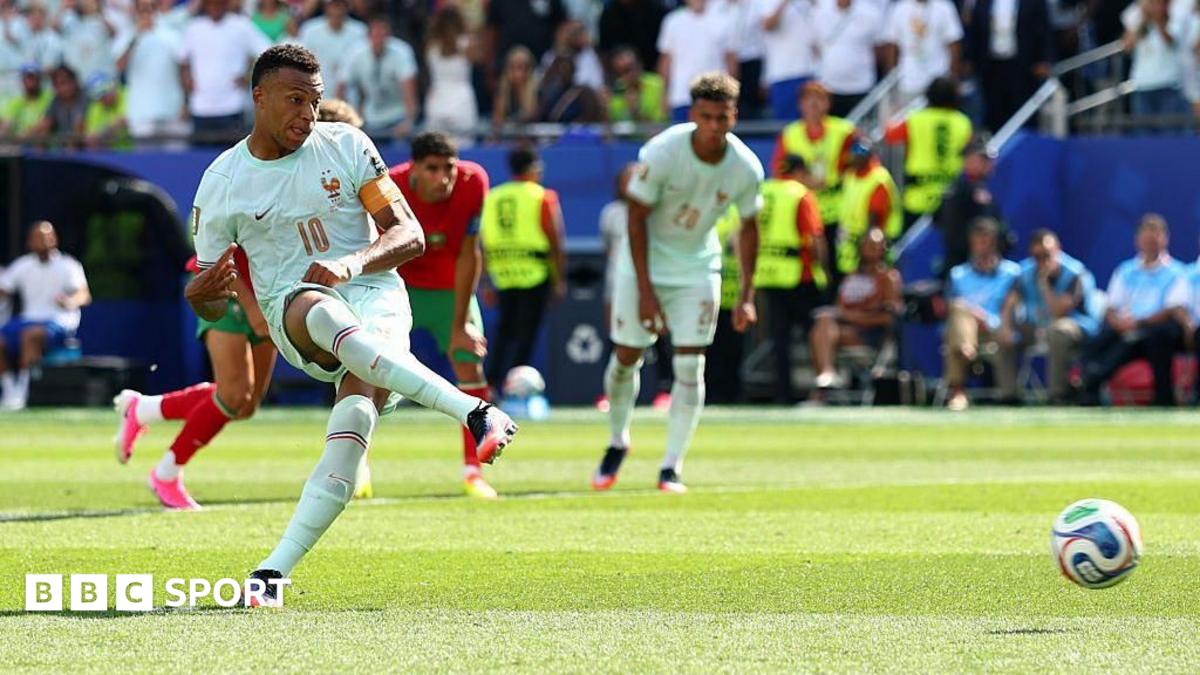
Kylian Mbappe’s recent miss against Morocco proved that delaying the strike does not unnerve the keeper as much as the shooter. Data shows that players who pause during their run-up see their conversion rates dip significantly compared to a clean strike.
It is a high-stakes gamble that often looks theatrical rather than effective. When a player takes those extra micro-steps, the keeper gets an additional split-second to read the hips. Mbappe found that out the hard way, and he won’t be the last to lose a point to this ego-driven technique.
9. The Mid-Field Pivot Shifts
Teams are moving away from traditional defensive mids in favor of inverted fullbacks who tuck into the middle. The goal is to overload the central zones to facilitate quick transitions. It forces opposing managers to make rapid tactical adjustments by the 30th minute to avoid being overrun.
This shift requires immense stamina and tactical literacy from defenders who traditionally hug the touchline. The most disciplined squads are the ones thriving here, while others are getting caught on the counter time and time again.
8. The Goalkeeper as Playmaker
Keepers are now expected to complete 40+ passes a match, effectively becoming the eleventh outfield player for high-pressing sides. It turns the penalty box into a risky nursery for possession-based football. One bad touch is all it takes to concede a goal that leaves the crowd stunned.
While it is high-risk, the reward is an extra man in the build-up phase. If the keeper is not comfortable under pressure, the entire team structure collapses back to the defensive third. It is a refinement that keeps the game high-tempo but brutally punishing for the insecure.
7. Tracking Data Transparency
The rise of public-facing performance metrics has changed how we evaluate player form during a ninety-minute block. We no longer rely on eye tests alone; we see exactly how many high-intensity sprints a forward makes before they flame out. It exposes players who disappear during the second half of matches.
Fans know when a player is jogging while the team needs a press. This makes it harder for underperforming stars to hide behind reputations. Transparency is ultimately forcing players to maintain a higher floor of effort.
6. The High-Press Exhaustion
Pressing high for the full duration of a match is becoming unsustainable as squads face steeper fixture congestion. Teams that start with a flurry of energy are often found flat-footed after the 70th minute. It is a tactical flaw that observant managers are finally exploiting by biding their time.
The teams that win titles now are those that know how to conserve energy during lulls in play. The ones that rush every single possession early on are burning out before the trophies are handed out. Managing the clock is just as vital as managing the ball.
5. The Corner Kick Revolution
Set-piece coaches are now a standard fixture, with some clubs even hiring specialists from rugby to rethink dead-ball routines. Teams are using complex screening patterns to clear lanes for headers. It is turning corners into expected goal machines rather than wasted opportunities.
Every professional club is chasing those extra 5-10 goals a season from restarts. It is the most efficient way to win close slogs, and the margins at the top are too thin to ignore it. The days of simply whipping a ball into the box are over.
4. Substitution Strategy
With five substitutions available, managers are effectively playing a different team at the end of the match than they started with. The trend is to bring on pace-heavy bench players to exploit tired defenses in the final quarter. It has turned the last 15 minutes into a frantic sprint where the advantage swings to the side with the deeper roster.
Strategic depth is now more important than a strong starting eleven. Managers who fail to optimize their bench windows are losing matches they were controlling earlier. It is an indictment of inflexible coaching staffs.
3. The Death of the Traditional Number Ten
The classic playmaker who does not defend is effectively extinct in elite football. Modern systems demand that every player tracks back and contributes to the defensive structure. If you are not covering ground in the defensive half, you have no place in the squad.
This is a welcome shift toward total participation. It removes the luxury of having a passenger on the pitch. The players who have adapted are now the most valuable assets in the market.
2. The VAR Integration
Video officiating has become a permanent, if controversial, part of the game's fiber. We see fewer clear errors, but the flow of the game remains periodically interrupted by long checks. It creates a tension that dominates the aftermath of matches, distracting from the actual quality of play.
As recent analysis suggests, the precision we crave often comes at the cost of the game's natural rhythm. Officials are forced into scrutiny that human eyes were never meant to handle under stadium lights. It is a necessary evil that fans love to hate.
1. The Pace of Play
Everything is faster. Tactical moves that would have taken ten minutes to develop in the early 2000s now happen in rapid-fire bursts. The ball is rarely dead, and the speed of passing has reached a level where defenders have zero room to breathe. It is the defining shift of the current decade, elevating the physical demands to unprecedented heights.
This speed makes every error more lethal. There is no time to recover from a misplaced pass near the centerline without facing an immediate counter. It is a ruthless, high-octane version of a sport that used to afford players a moment to think.
Honorable Mentions
The rise of data-driven nutrition, the return of classic kits, and the expansion of scouting networks into lower-tier global leagues. Each of these components is quietly changing the way the sport operates from the ground up, even if they don't produce a headline goal.