
Spain’s tactical discipline solved the Argentina puzzle

Tactical gridlock in the final
The 2026 World Cup final did not provide the high-scoring spectacle expected by the neutral, but it did reveal an absolute masterclass in game management. Spain secured a narrow 1-0 victory over Argentina, effectively neutralizing the reigning world champions through precise possession and defensive organization. While the Argentinian side attempted to lean on their experience as holders, they looked strangely pedestrian for long stretches of the night.
Spain controlled the tempo from the opening whistle. By clustering midfielders in the central channels, they prevented Argentina from finding the transition lanes that typically fuel their counter-attacks. It was a stifling performance that kept the ball moving, frustrating their opponents until the cracks appeared. Argentina’s defensive setup, though stubborn, eventually buckled under the weight of sustained technical pressure.
The math behind a low-scoring victory
Looking at the match data, it is clear that Spain succeeded by minimizing the risk of erratic play. They maintained a 68 percent share of the ball, forcing Argentina to chase shadows for the majority of the second half. As reported by the Mirror, this victory marks Spain’s second world title, placing them in an elite club of international heavyweights.
The decisive moment arrived late in the game, punishing a brief lapse in Argentina’s concentration. This outcome suggests that relying solely on structural defense is a losing strategy when facing a team committed to relentless ball retention. Argentina failed to adjust their shape as the game reached the 80th minute, leaving them vulnerable to the probing passes that eventually unlocked their line.
Where Argentina got it wrong
Despite their pedigree, the Argentinians looked tactically bereft. They played with a defensive posture that functioned more like a cage than a shield, stifling their own creative output while allowing Spain to iterate on their offensive set pieces. To win a final of this magnitude, a team must look for verticality at the right moments, not just wait for the clock to hit full time.
The coaching staff will likely face scrutiny for their second-half substitutions. While they brought on fresh legs to track runners, they sacrificed their ability to pressure the Spanish back line. The decision to prioritize containment over creative control backfired permanently once the goal was conceded. It was a cautious approach that ultimately failed to protect anything meaningful, turning the final ten minutes into a desperate, frantic scramble that yielded nothing.
Ultimately, Spain earned their win by refusing to compromise their identity. They did not settle for the stalemate; they probed, adjusted, and executed. Argentina, meanwhile, ended the tournament on a flat note. They played to not lose rather than playing to win, and in big matches, that mentality is almost always punished by a superior technical unit.
Read Next
- Ferran Torres just exposed Argentina’s defensive blind spot
- Tactical breakdown: Spain vs Argentina for the World Cup crown
- Spain vs Argentina is the final the world deserves, but the logistics fail us
- Argentina vs. Spain is the grand finale of a bloated, chaotic World Cup
- 🇦🇷 Argentina World Cup 2026 — Defending Champions Hub
- 🇪🇸 Spain World Cup 2026 — La Roja Hub
adidas FIFA World Cup 2026 Trionda Competition Soccer Ball
The official match-day feel for the 2026 North American tournament.
Frequently Asked Questions
How did Spain secure a victory over Argentina in the 2026 World Cup final?
Why did Argentina struggle to generate attacking opportunities?
What tactical mistake did Argentina make in the final minutes?
How much of the ball did Spain control during the game?
How does this victory affect Spain's history in international football?
More Coverage

Arsenal face Leeds with Arteta locked in and a point to prove
1 week, 4 days ago
Top 10: World Football's Biggest Storylines, Scandals, and Shocks of 2026
1 week, 5 days ago
Portugal are finally better off without Cristiano Ronaldo
1 week, 6 days ago
Messi bids farewell to Argentina as his club ownership plan takes shape
1 week, 6 days ago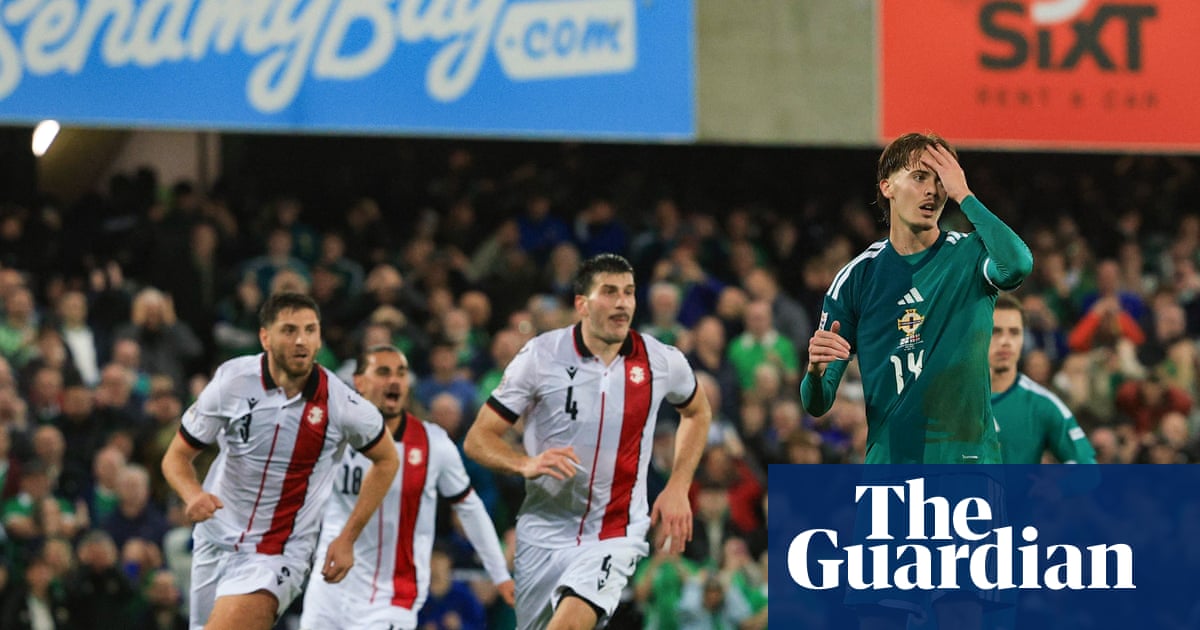
Michael O'Neill's youth movement is ahead of schedule, but flaws remain
1 week, 6 days ago
Arsenal's crisis deepens while London City redefine WSL pressing
1 week, 6 days agoMore Analysis
Top 10: World Football's Biggest Storylines, Scandals, and Shocks of 2026
1 week, 5 days ago
Messi bids farewell to Argentina as his club ownership plan takes shape
1 week, 6 days ago
England lost to Spain but the Nations League is actually working
2 weeks, 6 days ago
England lost to Spain again, so why is nobody screaming at Thomas Tuchel?
3 weeks ago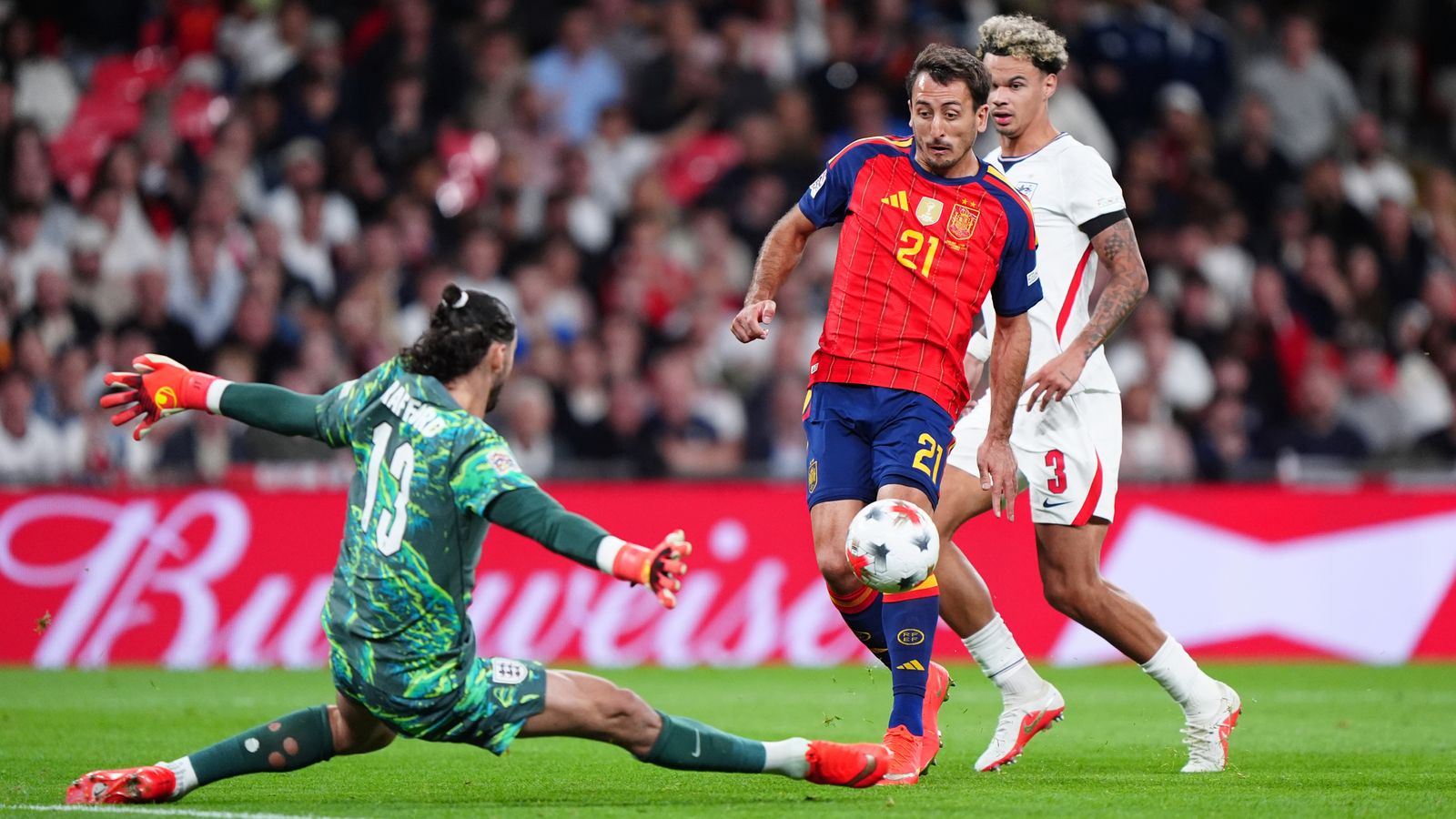
Top 10: Top Moments from England's 3-2 Nations League Thriller Against Spain
3 weeks, 1 day ago