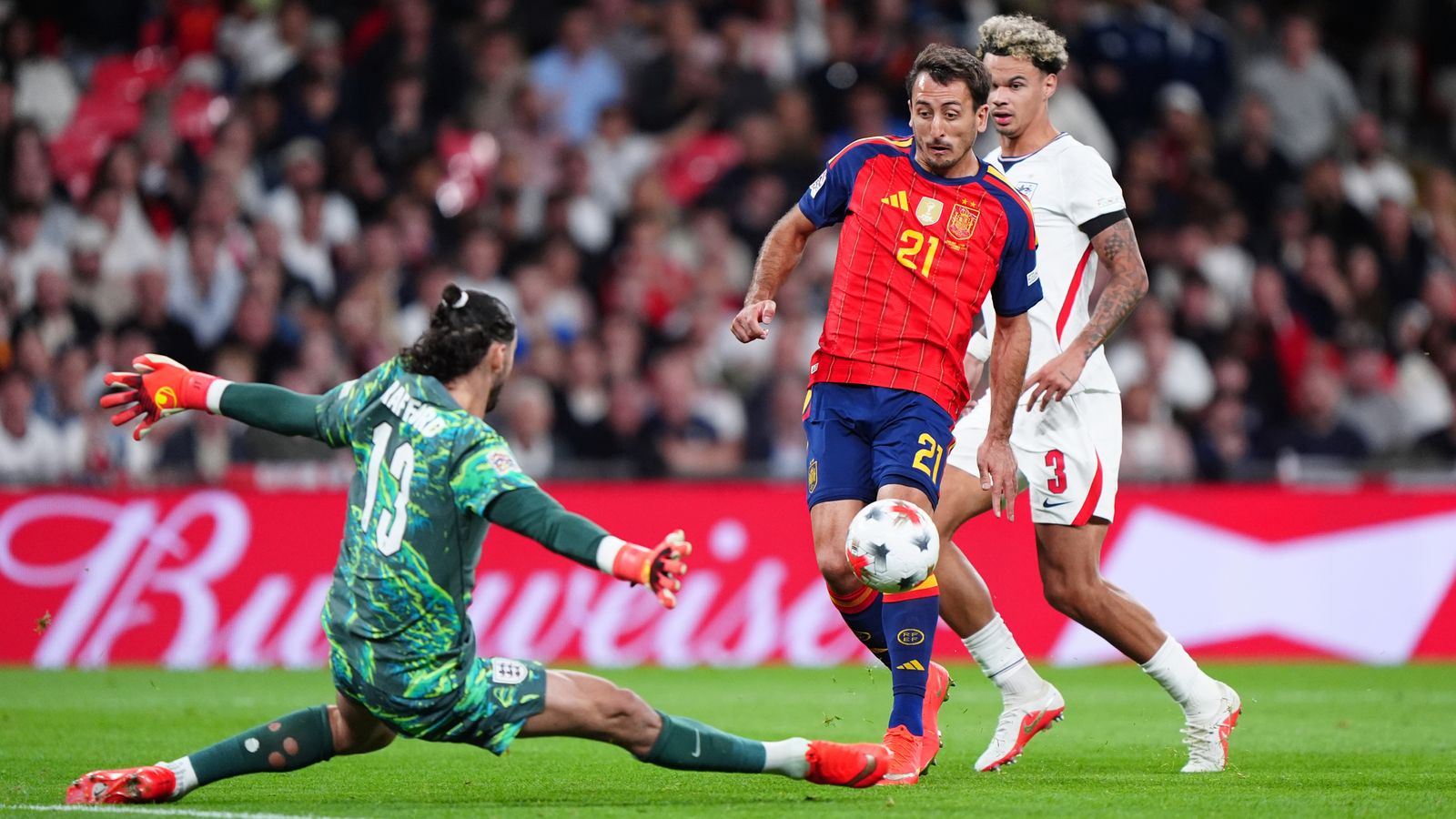
The shadow over the trophy
Spain lifted the World Cup title after shutting down Argentina in a 1-0 victory that felt more like an execution than a celebration. Luis de la Fuente has created a machine that treats the beautiful game as a math problem to be solved with extreme caution.
We watched a final where risk was treated as a contagion. Over the course of the tournament, Spain conceded exactly one goal in seven matches. This was not a product of frantic goal-line stands or individual brilliance from a keeper.
It was a calculated, suffocating possession model. De la Fuente prioritized positioning over penetration, leaving spectators in stadiums across North America searching for a spark that never came. As Sid Lowe noted in The Guardian, the reality of this triumph is a victory for a cold, immovable system.
Tactical rot in the modern game
The 2026 World Cup final was a cautionary tale. Caution superseded ambition, strangled the life out of the spectacle, and left observers wondering if international football has hit a ceiling of negative pragmatism.
Spain’s approach is effective, but it is deeply damaging for the sport's aesthetic. When the most talented players on the planet are instructed to play within such narrow, risk-averse parameters, the game loses its human element.
The defensive discipline required to concede just one goal through seven fixtures is impressive on a spreadsheet. In reality, it felt hollow. We witnessed nearly two hours of football where the primary objective was the negation of the opponent rather than the pursuit of dominance.
The price of industrial football
There is a specific flaw in this model that critics are choosing to ignore in the afterglow of victory. By playing with such rigid spacing and slow ball progression, Spain invites a stagnation that eventually kills the tournament buzz. Tactical rigidity like this prevents the emergence of counter-attacking threats.
The lack of transitions turned the final into a stalemate. Argentina’s attacking talent was nullified not by tactical ingenuity, but by sheer volume of bodies behind the ball and a refusal to engage in meaningful duels. It is a cynical way to win, yet it works.
If international football managers view this 1-0 win as a successful blueprint for the future, we should expect more of the same gloom in years to come. The era of the high-octane international fixture is dying.
The Verdict on De la Fuente
The manager deserves no praise for the entertainment value of his squad. He has built a, disciplined unit that excels at the boring, but he has failed to ignite the imagination of the fans. The win in the final will be remembered for its result, but the manner of it will likely be forgotten by anyone who values flair.
We can expect this defensive model to be copied by teams with less talent hoping for a lucky break. If teams like Spain continue to prioritize clean sheets over creativity, international football will settle into a long period of tactical cowardice. The game remains a struggle against this encroaching sterility.
Read Next