The end of a year-long disciplinary shadow
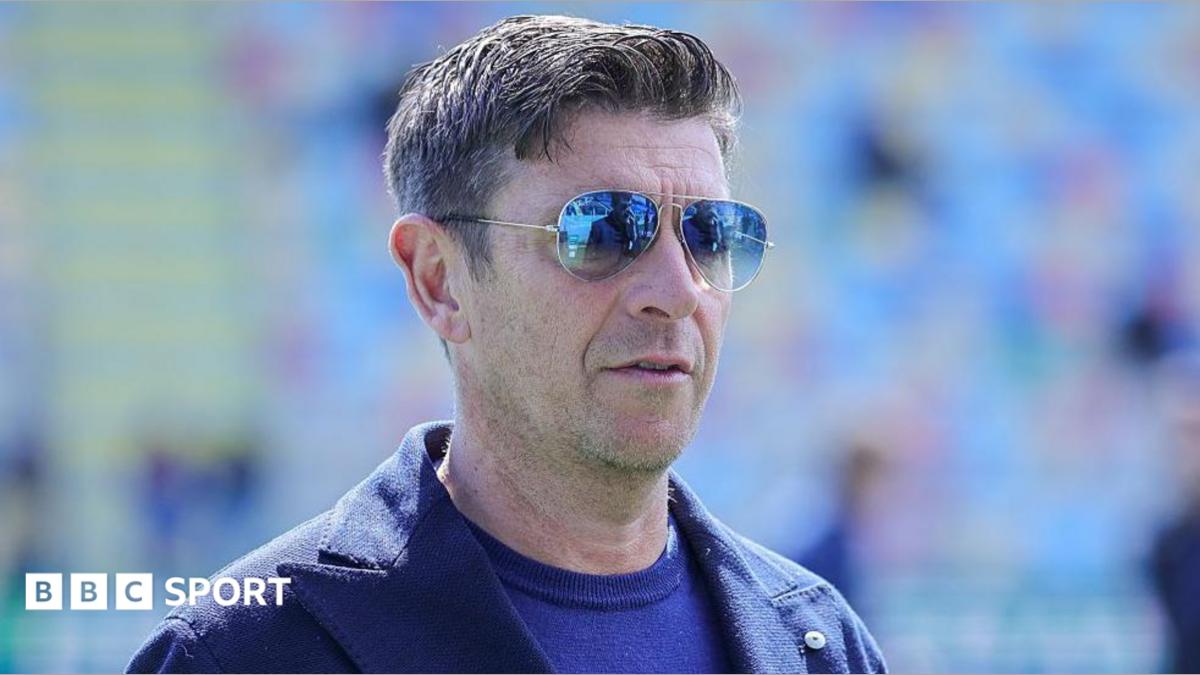
Italian federal prosecutors moved to drop the sports fraud case against Gianluca Rocchi this week. Rocchi, the current head of Serie A referee appointments, had been under investigation due to allegations involving match-fixing protocols and administrative irregularities. The move marks a pivot point for the Italian league.
For months, the integrity of the officiating core has faced constant scrutiny. Allegations centered on the selection process for match officials and potential pressure exerted on VAR operators. The decision to finalize the dismissal of these charges provides a sense of finality to a tenure defined by courtroom appearances rather than pitch management.
The impact on officiating transparency
The Italian football federation faced immense pressure to clean house following the initial accusations. By dropping the case, the prosecutor acknowledged the lack of evidence required to sustain a conviction for sports fraud. However, the reputational hit to the refereeing organization remains severe.
The internal mechanics of how Serie A officials are selected will likely undergo a transition regardless of the legal outcome. Critics have long argued that the current appointment system favors centralized control over meritocratic performance. As the BBC reported, the case officially concludes here, but the skepticism from supporters will persist throughout the upcoming campaign.
Historical context of Italian referee scandals
Italian football is no stranger to officiating crises. The shadow of the Calciopoli scandal from 2006 still looms over every administrative decision made by the federation today. That era resulted in mass relegations and a total collapse of public trust that took decades to partially rebuild.
When a figure as senior as the referee designator is accused of fraud, the immediate reflex of the fan base is rightfully cynical. While the current case against Rocchi was far smaller in scale than the systemic corruption seen two decades ago, it reinforced the perception that the governing bodies are opaque. The failure to secure a conviction does not prove that the system is perfect; it simply highlights the difficulty of proving interference in modern variable officiating.
Strategic implications for the 2026 season
The league office now enters the pre-season with a clean slate, but no margin for error. With the Italian championship already facing financial hurdles and stagnant international growth, a scandal-free environment is mandatory. Referees are now under a much brighter spotlight.
Technical reviews of VAR usage in Serie A remain a contentious topic for club presidents. Many clubs have publicly pushed for more audio transparency, similar to the protocols adopted recently in the Premier League. The dismissal of these charges removes a legal distraction, yet it forces the federation to answer for the underlying systemic issues that led to the investigation in the first place.
Management must now decide if they will double down on the current appointment hierarchy or pivot to a more open model. If the officiating remains inconsistent this year, the federation will lose the benefit of the doubt it retained during this legal process. The 5% decrease in fan attendance metrics noted in the latest Deloitte report suggests that the domestic market is already voting with their feet regarding league management.
The administrative burden has been cleared, but the pressure on the pitch is at an all-time high. Officials have zero room for controversial decisions in the opening weeks of the campaign. Any high-profile error in a major derby will now be viewed through the lens of this resolved investigation. The federation's silence on future policy changes suggests a desire to bury the story, but that strategy rarely works with the Italian press.
A flawed resolution
The prosecutor's decision to drop the case is arguably a failure of oversight. If the allegations were substantial enough to warrant a formal investigation, the lack of a clear path to trial suggests an incomplete audit of the refereeing department's internal emails and communication logs. The sport needs more than just a closed file; it needs a root-to-branch audit of how officials are vetted.
Without a transparent reform, the suspicion of bias will continue to follow officials into every match. When fans don't believe in the process, the product suffers. The league is currently paying the price for years of centralized, closed-door decision-making. Investors and broadcasters are watching closely, and they demand a league that produces results independently of administrative influence. This investigation may be over, but the structural credibility of the league is still very much in the recovery phase.
Read Next
- Serie A referee scandal collapse: Why the prosecution folded
- Transfer window chaos: From Leeds' big spend to Chelsea’s head-scratcher
- Top 10: Defining Moments of the 2026 World Cup
- Didier Deschamps exit leaves France facing a brutal locker room reset
- ⚽ Serie A 2025-26 — Title Race Hub (Inter, Napoli, Juve, Milan)