The Big Picture
The 2026 World Cup has been a masterclass in tactical volatility and systemic collapse. From the sudden end of the Deschamps era to tactical masterclasses by emerging European powers, these moments defined the tournament.
The Rankings
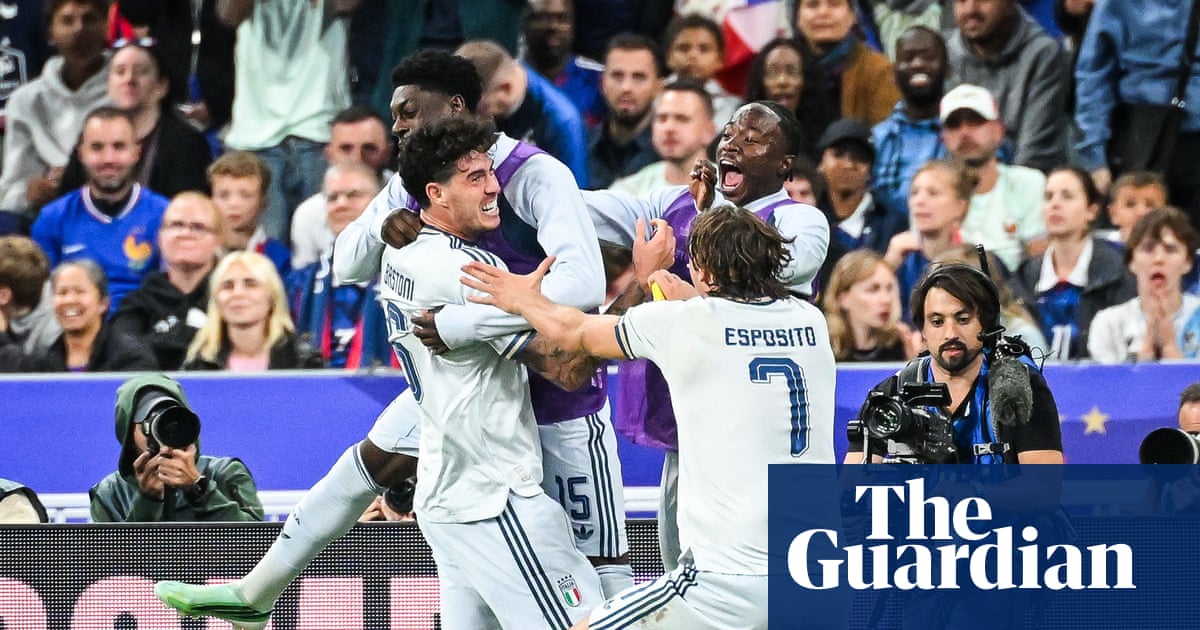
1. Spain’s Semifinal Efficiency: The 2-1 victory over France last week serves as the tactical benchmark for the competition. Spain neutralized a star-studded French midfield by forcing turnovers in the final third. It was a deserved result for a side that prioritizes constant ball circulation over individual flair.
2. The End of the Deschamps Era: Following the defeat by Spain, the French FA confirmed the departure of their long-standing manager. This marks a brutal reset for a locker room that looked disinterested throughout the knockout stages. The decision was necessary given the stagnation shown in the latter portions of the tournament.
3. France’s Listless Exit: The tactical passivity displayed against Spain stands out as a major disappointment. France struggled to maintain a defensive shape, allowing space behind their full-backs repeatedly. They failed to execute basic outlet passes, turning the ball over under minimal pressure.
4. England’s Quarterfinal Surge: The English side displayed a level of discipline largely absent in recent cycles. By controlling the tempo against smaller nations, they secured safe progression. Their reliance on wide-channel transitions has been the most consistent offensive threat in the bracket.
5. Argentina’s Midfield Pivot: Argentina’s decision to move their primary playmaker into a deeper role changed their defensive orientation. This move allowed them to absorb pressure while maintaining a quick counter-attacking outlet. It remains their most successful tactical adjustment to date.
6. The Golden Boot Race: The individual scoring tally remains tight as we head toward the final matches. Several attackers have hit the 5-goal mark, though consistent output has ironically decreased as tournament pressure mounted. It highlights an over-reliance on individual brilliance rather than team-based chance creation.
7. The Rise of Tactical Pressing: Teams have moved away from traditional man-marking in favor of high-intensity zonal coverage. This was evident in the way mid-tier squads consistently disrupted heavyweights like Brazil and France. The shift in defensive philosophy has effectively capped the scoring potential of high-possession teams.
8. Morocco’s Disappointing Group Stage: Despite high expectations after previous cycles, the squad failed to adapt to the speed of the 2026 tournament. They conceded goals in transition during every single group game. Defensively, they looked exposed whenever their wing-backs committed forward.
9. The Injury Crisis: Several top-tier nations lost starting goalkeepers before the Round of 16. This created a recurring theme where substitutes were forced into high-pressure scenarios with little preparation. The quality of play suffered as a direct result of these mid-tournament personnel vacuums.
10. VAR Controversies: The inconsistency of officiating regarding handball interpretations inside the box generated constant friction. In at least three knockout games, the officiating decisions fundamentally altered the defensive strategy of the trailing team. It was a negative footnote on an otherwise high-quality tournament.
Honorable Mentions
The surprise elimination of the host nation during the group phase stands out as a logistical shock. Furthermore, Germany's failure to convert from set-pieces proved to be their primary undoing in the early rounds. These moments serve as a reminder that planning and preparation often fall apart when the actual games start.