Tier 2: The post-tournament fallout
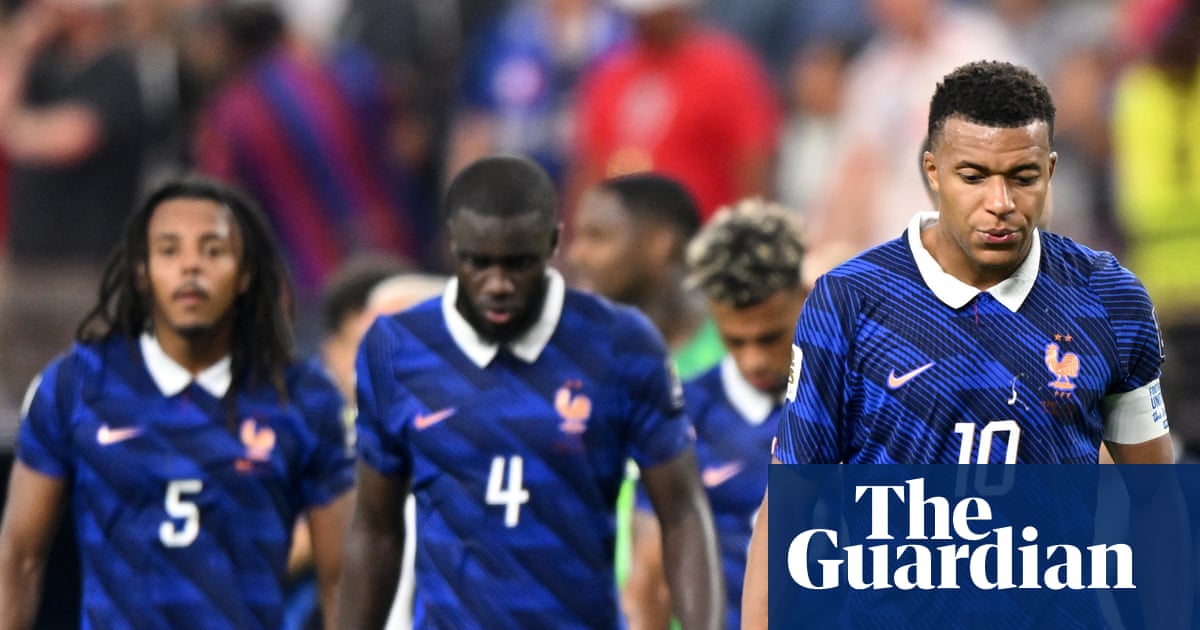
The dust is still settling on the French national team following their exit from the 2026 World Cup. A defeat by Spain in the semifinals last week ended the Deschamps era in a fashion few pundits predicted. The focus has immediately shifted from the tactical failure on the pitch to the structural integrity of the squad.
Reports from France suggest the dressing room is fractured. L'Équipe has openly labeled the performance a collective failure, noting that key players appeared mentally absent during the biggest moments of the match. While the federation has not confirmed a replacement for Deschamps, the search for a new head coach is already active.
Tactical stagnation in the spotlight
For fourteen years, Deschamps built a team based on pragmatism and rigid defensive structure. That approach served France well in previous cycles, securing a world title and maintaining high rankings. However, the semifinal loss in Dallas exposed the limits of a system that often fails to maximize individual talent when trailing late in a match.
Critics point to the lack of offensive variety during the knockout stages. Kylian Mbappé, while a generational talent, was often isolated against disciplined defensive blocks. When the plan to counter-attack failed, the team lacked a secondary blueprint. This became glaringly obvious in the 88th minute of the Spain fixture as the side struggled to create meaningful chances.
The squad transition: Assessing the gap
The current roster faces a significant turnover period. Senior players who anchored the midfield for years are now nearing the end of their international relevance. Tactical discipline alone can no longer mask the aging legs of a defense that struggled to track runners in the open field.
A major concern is the reliance on a single tactical identity. Changing the culture of a team that has lived by the same philosophy for over a decade is a heavy task for any incoming manager. The French FA is reportedly looking for a candidate who values high-pressing systems and creative fluid movement over the pragmatic stifling of opponents.
Critical assessment of the management
It is difficult to defend the reliance on established names during this final tournament cycle. Several younger prospects remained on the bench while the side struggled against opponents who clearly had more energy and tactical flexibility. Stubbornness in team selection resulted in a lack of dynamism when it was needed to shift the momentum.
The lack of a coherent plan B is the most damning critique of the recent period. Spain systematically dismantled the French formation by overloading zones in the midfield. Rather than adjusting to limit the space, the French bench remained stagnant. This failure points to a breakdown in communication between the coaching staff and the players on the field.
Future implications and timeline
The federation is expected to finalize their decision by August. Several names linked for the vacancy include former league title winners and tactical innovators currently working in club football. The goal is to have the new manager in place before the international break in early September.
The probability of a wholesale change in management is high. There is little appetite among the French public for a continuation of the same style under a different figurehead. Expect a shift toward a modern, high-tempo approach that prioritizes ball retention and proactive pressure rather than reactionary adjustments.
The impact of this transition will be felt across Europe. A revamped French lineup with a new tactical identity could change the competitive balance in international tournaments. Whether the incoming manager can harness the existing star power without the baggage of the past remains the central question for the future of Les Bleus.