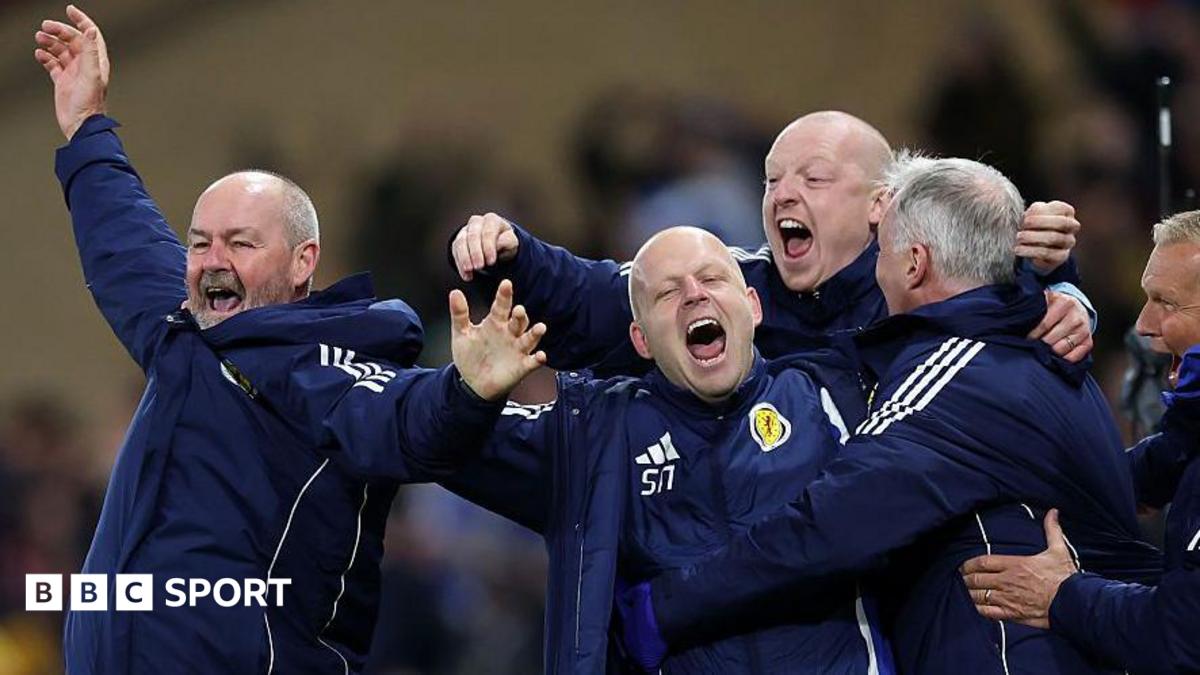
The End of the Pragmatic Shield
Steve Clarke is gone. The resignation arrived in the early hours of Sunday, capping a cycle that felt both historic and deeply exhausted.
After seven years and 81 games in charge, Scotland’s longest-serving manager decided he could no longer squeeze blood from a stone. He left a squad that was one of the oldest at the 2026 World Cup, on a plane back from the USA after failing to reach the knockout rounds yet again.
The exit was swift, coming right after the final whistle against Brazil confirmed Scotland's elimination. While the Tartan Army won plaudits in American bars, the football on the pitch was a grim watch.
A single, scrambling win against Haiti was followed by structural collapses against Morocco and Brazil. For a manager who signed a new four-year contract just last month, the sudden departure is a shock, but perhaps a necessary one.
Clarke’s tenure was built on defensive density. He took over a team in May 2019 that had not qualified for a major tournament since 1998 and dragged them to three finals.
He established a club-like atmosphere, built a low block that shielded mediocre center-backs, and relied on moments of transitional quality. Yet, the limits of this pragmatism were laid bare in the USA.
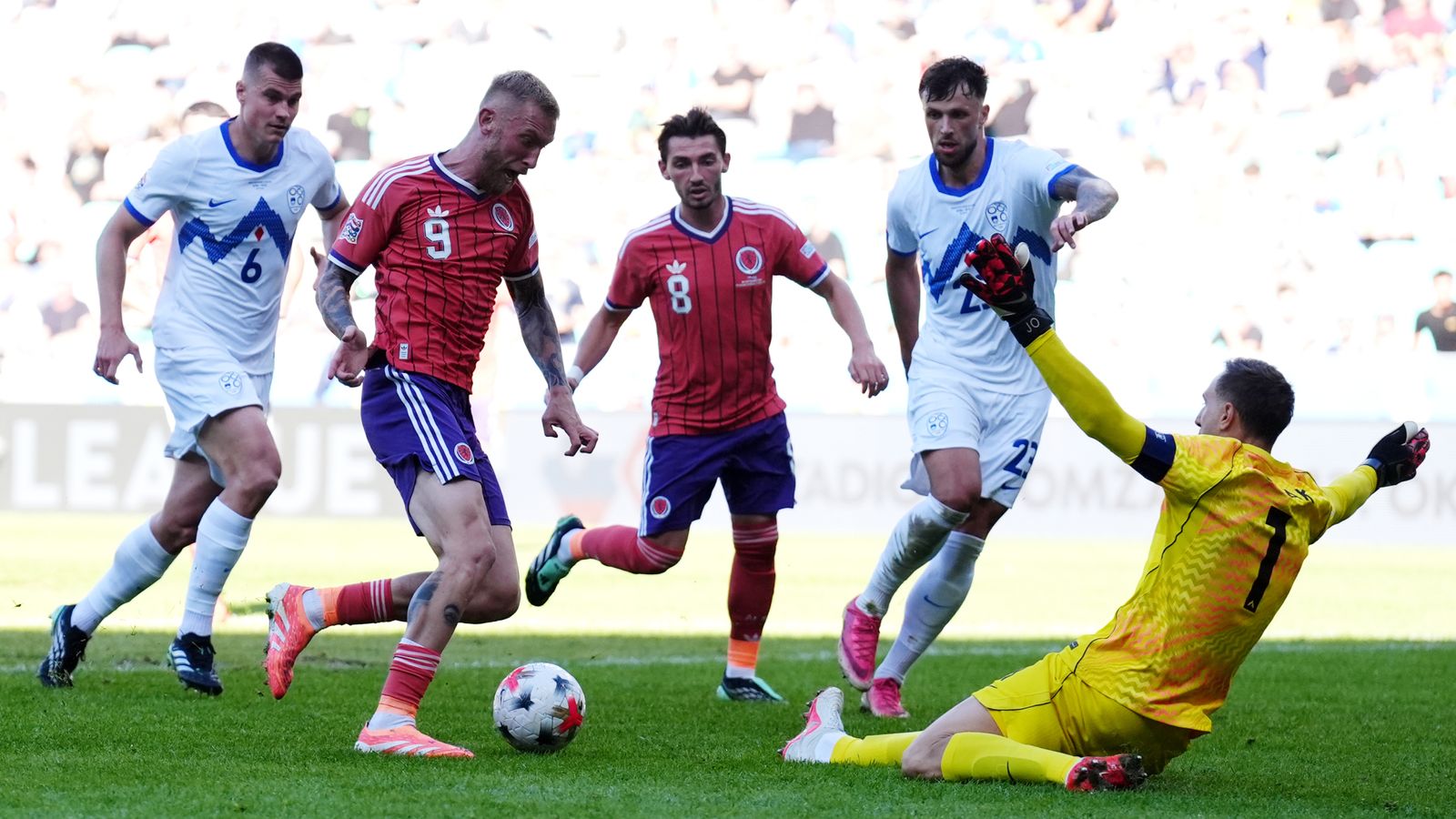
Scotland exited the tournament with a familiar whimper. The squad was unable to retain possession or progress the ball under pressure.
To understand the tactical inertia, look at the pass completion rates in the opposition half. Against Brazil, Scotland completed just 58% of their passes in the final third.
They averaged an xG of 0.18 across their three group matches. This was not bad luck; it was a structural design flaw.
The 5-4-1 mid-block became a deep prison. It left lone strikers isolated and midfielders gasping for support.
The SFA's Strategic Crossroads
The Scottish FA now faces a massive choice before the Nations League campaign begins in Slovenia on 26 September. The target is clear: build a squad capable of competing at Euro 2028, a tournament Scotland will co-host.
With two spots reserved for host nations should normal qualification fail, the path to the tournament is wide open. But the squad requires immediate, painful surgery.
Key figures like Andy Robertson and John McGinn are now the wrong side of 30. The transition must be handled by a manager who understands how to integrate youth without destroying the team's defensive foundation.
Former Scotland winger Pat Nevin summed up the scale of the task. As BBC Sport reported, Nevin noted the difficulty ahead for the new boss.
"This has been a special, special group. And he's got the best out of them. But a lot of them are not going to last. I know these days 40 seems young for a World Cup player. In reality, that's not the way it is, though. It's not obvious who the next group of players are. So whoever comes in, it's actually a bit of a monster job to do."
Should the SFA look abroad for the first time since 2002? The memory of Berti Vogts still haunts Hampden Park.
The German won just nine of his 32 games, finishing with a dismal 28% win rate. Since then, the SFA has hired exclusively Scottish managers.
However, out of the 48 teams at this World Cup, 27 were led by non-native coaches. The international game has evolved past simple passport matches.
Former midfielder James McFadden believes the SFA must look beyond nationality. He argued that the talent pool at home is too thin. The next manager must be chosen purely on tactical merit.
"There's not [an obvious candidate] and I know that a lot of people will be looking to say it has to be a Scot. But I don't think there's a lot of options there to go down that route. I think it just has to be the best manager that can somehow either continue the progression or raise it."
The Candidates and Their Tactical Blueprints
The bookmakers have already framed the debate. According to odds from Coral, David Moyes is the early frontrunner at 4/1.
Moyes is currently rebuilding Everton in his second spell, having won the Conference League with West Ham in 2023. Realistically, he is unlikely to leave a Premier League job for the international wilderness.
Even if he did, Moyes would represent tactical continuity rather than progress.
Moyes is a pragmatist. His teams defend in a structured 4-4-2 or 4-5-1, focusing on defensive organization and set-piece efficiency.
While this would keep Scotland solid, it would not cure the possession defects that plagued them in the USA. Scotland fans want to move away from the "let's keep it tight" philosophy that has dominated since the 1990s.
The squad needs a coach who can implement structured possession phases, not another deep block.
Then there is Ange Postecoglou, sitting at 5/1. The Australian has been out of work since a disastrous 39-day spell at Nottingham Forest last season.
Before that, he won the Europa League with Tottenham in 2025. Postecoglou is the tactical antithesis of Clarke.
He demands a high defensive line, inverted fullbacks, and rapid, vertical combinations in a 2-3-5 attacking shape. He knows the Scottish environment intimately from his trophy-laden spell at Celtic.
But Postecoglou’s system carries extreme risk. Scotland’s current center-backs lack the recovery speed to play in a high line.
At Forest, Postecoglou’s defensive structure collapsed because his midfielders failed to press the ball, leaving his backline exposed to direct counters.
If he cannot secure quick, mobile defenders, his "Angeball" would result in heavy defeats. Yet, as BBC fan feedback shows, supporters are desperate for his front-foot philosophy.
Other domestic options feel like interim solutions. Steven Naismith is Clarke’s assistant but lacks the experience required to lead a rebuild.
Scot Gemmill has spent a decade with the Under-21s, but his record is uninspiring. Falkirk’s John McGlynn is 64 but plays attractive, attacking football.
While "McGlynn-ball" has won fans, jumping from League One and the Championship to international football is a massive leap.
If the SFA looks abroad, names like Kasper Hjulmand make sense. The former Denmark coach has experience rebuilding a national team.
He plays a flexible 3-4-3 that transitions into a 4-3-3, prioritizing ball retention and aggressive counter-pressing. Hjulmand’s Denmark was structured but fluid, a balance Scotland desperately needs.
The Verdict
Scotland cannot afford another defensive manager. The windfalls from recent qualification campaigns mean the SFA has the financial power to make a statement appointment.
Rebuilding the squad for Euro 2028 requires a coach with a proven tactical system and the authority to phase out aging players. Choosing a manager who simply continues Clarke's low-block philosophy would be a waste of a golden generation's final years.
The choice must be Ange Postecoglou. His Nottingham Forest failure has hurt his reputation, but his tactical identity remains clear.
He won the Asian Cup with Australia in 2015, proving his international credentials. He knows how to build attacking patterns that maximize wide players.
With Robertson pushing high and McGinn operating in the half-spaces, Postecoglou can construct a functional possession system. The transition will be rocky, but it is the only way Scotland can escape their tournament group stage curse.
Read Next
- Scotland need to stop hiring their mates after Steve Clarke's World Cup exit
- Pochettino's rotated USMNT cannot afford to treat Turkiye as a vacation
- England won but the internet is absolutely roasting Thomas Tuchel
- Why Canada's aggressive press might crash against South Africa
- 🏆 World Cup 2026 — Full Coverage Hub