The Hampden Contract Comedy
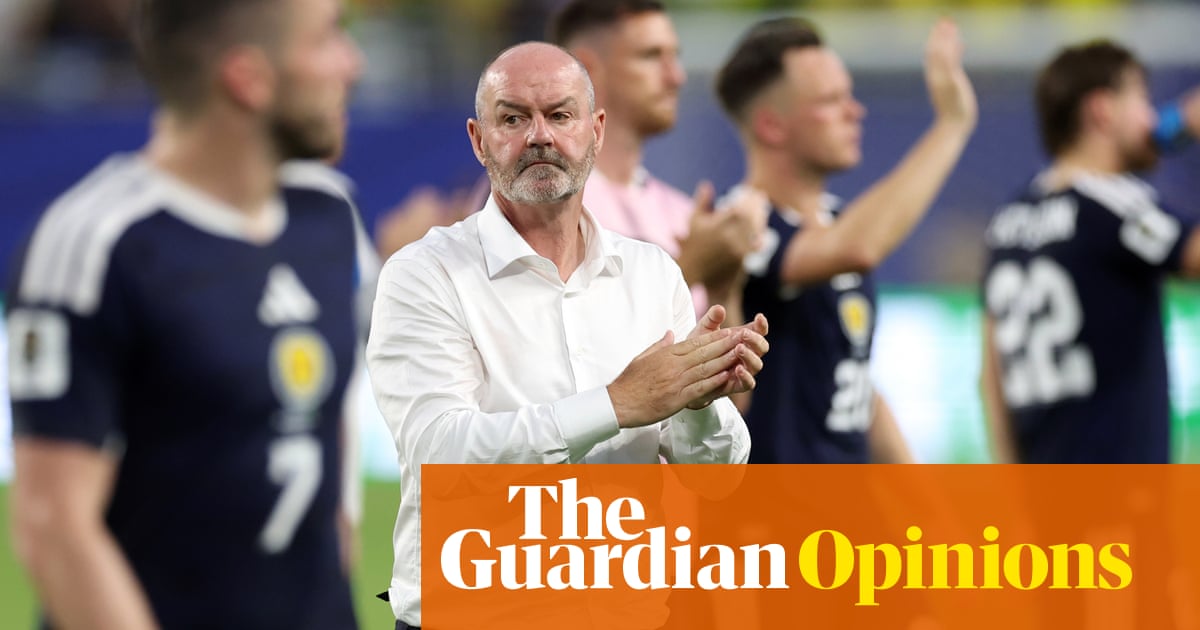
Pull up a stool, grab a cold pint of Tennent's, and let’s talk about the absolute circus that has become the Scottish national team. Just yesterday, Steve Clarke packed his bags and walked away from the manager's job, leaving the Scottish Football Association looking like a bunch of clowns who bought a non-refundable ticket to a show that got cancelled. After seven long years of grinding out defensive blocks and praying for John McGinn to save us, the Clarke era ended with a whimper in the United States.
Scotland's World Cup campaign was a slow-motion car crash that everyone except the SFA board saw coming. We went to North America, failed to get out of Group C, and limped home with three measly points. The highlight of our entire tournament was a scrappy 1-0 victory against Haiti on June 13, and let's be honest, that match was about as pretty as a broken bottle on a Glasgow pavement.
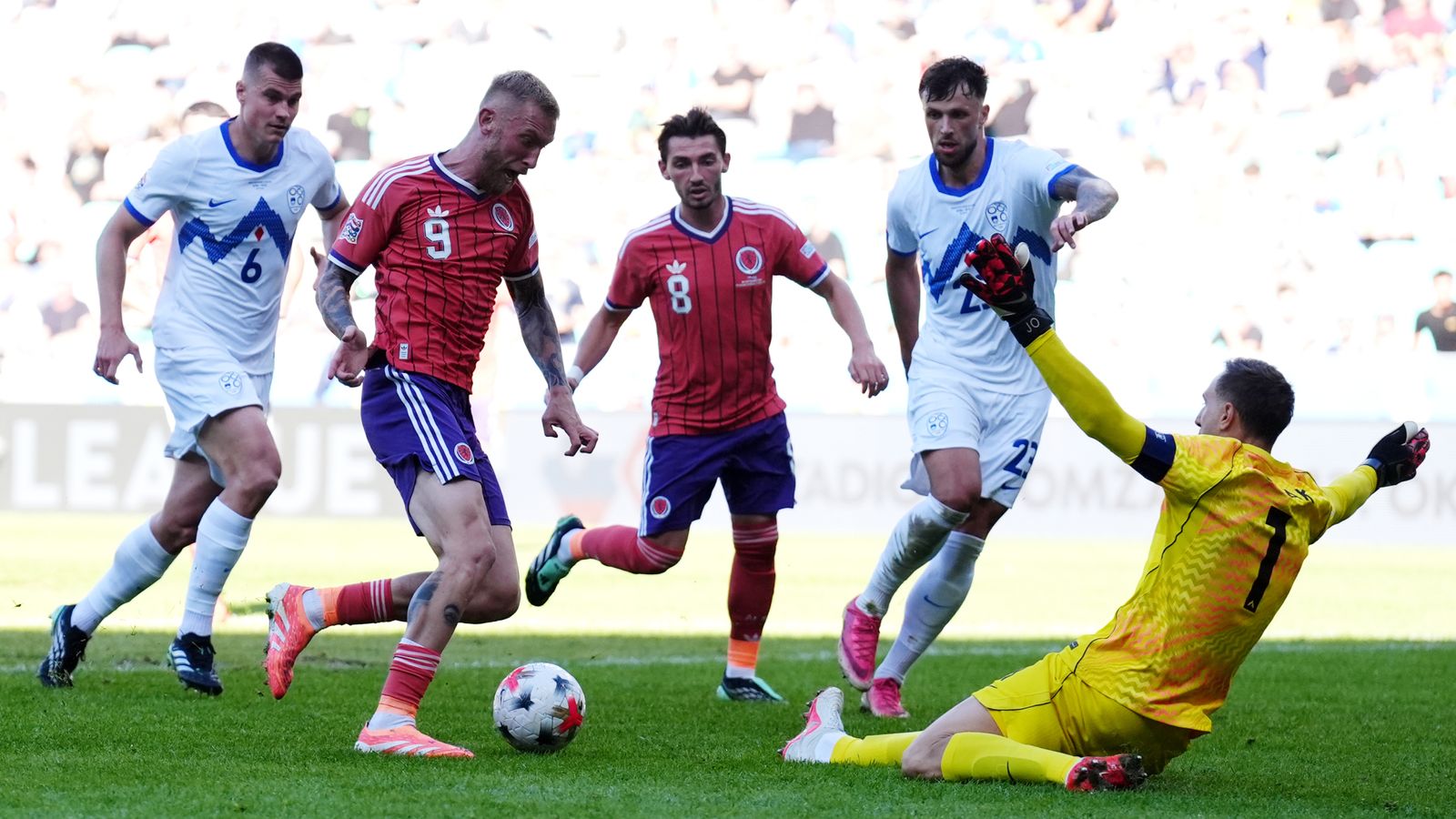
Then came the Morocco game on June 19, where Ismael Saibari put the ball in our net after exactly 71 seconds of play. Our lads were still trying to figure out which direction they were running while Saibari was already wheeling away in celebration. We closed out the group stage on June 24 by getting thoroughly dismantled 3-0 by Brazil, a match where our tactical game plan appeared to be "please don't let Vinicius Jr run at us too fast."
But here is the real kicker, the absolute comedy gold of the summer. Just last month, in May 2026, the SFA handed Steve Clarke a shiny new contract extension running all the way through the 2030 World Cup. They did this weeks before a single ball had been kicked in the tournament, committing millions of pounds to a guy whose team was already showing major signs of terminal decay.
It was a decision so baffling it makes you wonder what they put in the tea at Hampden Park. Giving a manager a long-term deal before a major tournament is like proposing to someone on the way to a trial separation. If you read Ewan Murray’s scathing post-mortem on the SFA, you realize this isn't just a mistake; it's a symptom of a deeper, systemic rot.
Now Clarke has resigned, the ink on that new contract is barely dry, and Scotland are left searching for a savior. The SFA needs a new boss before the UEFA Nations League kicks off in September. With Euro 2028 on the horizon—which Scotland is co-hosting—we cannot afford another tactical dinosaur.
The Desert in the Scottish Dugout
But instead of looking around the globe for the best mind available, the early talk around Hampden is already drifting back to the usual suspects. The SFA has a history of looking at the manager's job through a tiny, local lens. They want someone who went to the same schools, played for the same clubs, and drinks in the same pubs.
As Ewan Murray pointed out in The Guardian, this parochial mindset has kept Scottish football in the dark ages for decades. It is a stubborn, arrogant belief that only a Scotsman can understand the unique psychological burden of wearing the dark blue shirt. Newsflash: the ball is round in Tokyo, Munich, and Buenos Aires too.
The coaching talent pool in Scotland is currently as dry as a summer in the Sahara. Ewan Murray noted that the shortage of top-tier players we produce is matched by a total lack of elite coaching prospects. Look at the English Premier League; there isn't a single Scottish manager running a club in the richest league in the world.
Even in our own Scottish Premiership, the local options are incredibly thin. If the SFA decides to hire from within our borders, they are essentially picking from a list of guys who have spent their careers getting beaten by Celtic and Rangers. The only manager in Scotland who has done anything interesting lately is John McGlynn at Falkirk.
McGlynn has done a stellar job getting Falkirk promoted, playing attractive, forward-thinking football. But asking him to jump from the Scottish lower leagues to facing the likes of France and Spain is a massive leap. It would be like taking a chef from a local chip shop and putting them in charge of a three-star Michelin restaurant.
So, who else is out there in the local market? You have Steven Naismith, who served as Clarke’s assistant at the World Cup and is a young, hard-working coach. But hiring the assistant of the guy who just failed is a classic SFA move that sends the message that we want to keep doing the same things, just with a slightly younger face.
Then there is David Moyes, the eternal Scotland manager in waiting. Moyes has the experience, the tactical discipline, and the profile that would make the SFA board salivate. He has spent seven years in the Premier League showing he can organize a defense and squeeze results out of limited squads.
But Moyes is reportedly looking at lucrative club offers in England and the Middle East, making him financially out of reach. The SFA’s bank account is not exactly overflowing, especially after they had to pay out Clarke's contract. We cannot expect Moyes to take a massive pay cut just to watch our midfielders struggle to string three passes together against Morocco.
The Case for Ditching the Passport
We need to stop pretending that Scotland is a special footballing planet that requires a special local key to unlock. Look at England, who hired a German coach to guide their national team. Look at Brazil, the spiritual home of beautiful football, who chased Italian legend Carlo Ancelotti.
If the five-time World Cup winners are willing to look outside their borders, why are Scotland acting like they are too good for foreign help? Our national game needs a massive injection of fresh ideas, modern tactical structures, and new training methods. We need someone who does not care about the Old Firm politics or the media circus in Glasgow.
The next manager must address a squad that is fundamentally unbalanced. We have world-class left-backs and hard-working midfielders, but we haven't produced a top-class striker since Kenny Dalglish was wearing short shorts. Clarke's solution was to play a low block and hope for a set-piece goal, which worked in qualifying but got exposed on the world stage.
Against Brazil, we looked like a team from the 1980s trying to defend against spaceship pilots. The speed of play, the tactical flexibility, and the technical quality of the opposition left us chasing shadows in Boston and Orlando. We need a coach who can build a modern pressing system that doesn't rely on park-the-bus tactics.
Let's look at the criteria the SFA should actually use for this search. They need to put away the Scottish passport requirement and focus on modern credentials. Here is a quick list of what the next manager needs to bring to Hampden:
- A proven track record of developing young players in a modern pressing system
- Tactical flexibility that goes beyond a rigid five-man defensive line
- Experience in international football or elite European club competitions
If they limit the search to Scottish coaches, they are choosing to fail. According to Murray's analysis, the domestic game has become an echo chamber of recycled ideas and defensive caution. We need a foreign manager who can look at players like Billy Gilmour and Ben Doak and build a team around their technical skills, not their ability to track back and tackle.
Ange Postecoglou’s name has been floated by fans who remember his high-octane Celtic team. Postecoglou is currently available, and his attacking philosophy would be a breath of fresh air after years of Clarke's caution. But Ange is a man who needs daily work on the training pitch to implement his complex positional play, which is hard to do in the limited time of international breaks.
There are plenty of bright, tactical minds in Scandinavia, Portugal, and Germany who would jump at the chance to lead Scotland. They would see a squad with proven Premier League players like Andy Robertson and Scott McTominay, plus a home tournament in 2028. It is an attractive job for a coach who wants to build a legacy on the international stage.
But the SFA board must show some ambition and courage. They need to ignore the pundits in the Scottish media who scream that the manager must speak with a Glasgow accent. If we hire another local veteran, we will find ourselves sitting at home watching Euro 2028 on television, even though the matches are being played in our own backyard.
The clock is ticking louder than ever. The Nations League starts in September, and we cannot afford to waste those games with a caretaker manager or a rushed appointment. SFA chief executive Ian Maxwell needs to get on a plane, leave Scotland, and start interviewing candidates who have never heard of Auchinleck Talbot or Auchterarder.
Steve Clarke did a great job dragging us out of the wilderness and taking us to three major tournaments. He deserves our respect for ending the 28-year World Cup drought. But his defensive football had reached its absolute ceiling, and his resignation was the right move for all parties.
Now, the SFA must choose between progress and comfort. If they hire Steven Naismith or another safe domestic option, they are choosing comfort. If they want progress, they must open the windows, let some fresh air in, and hire an outsider who can teach this football nation how to play in the 21st century.