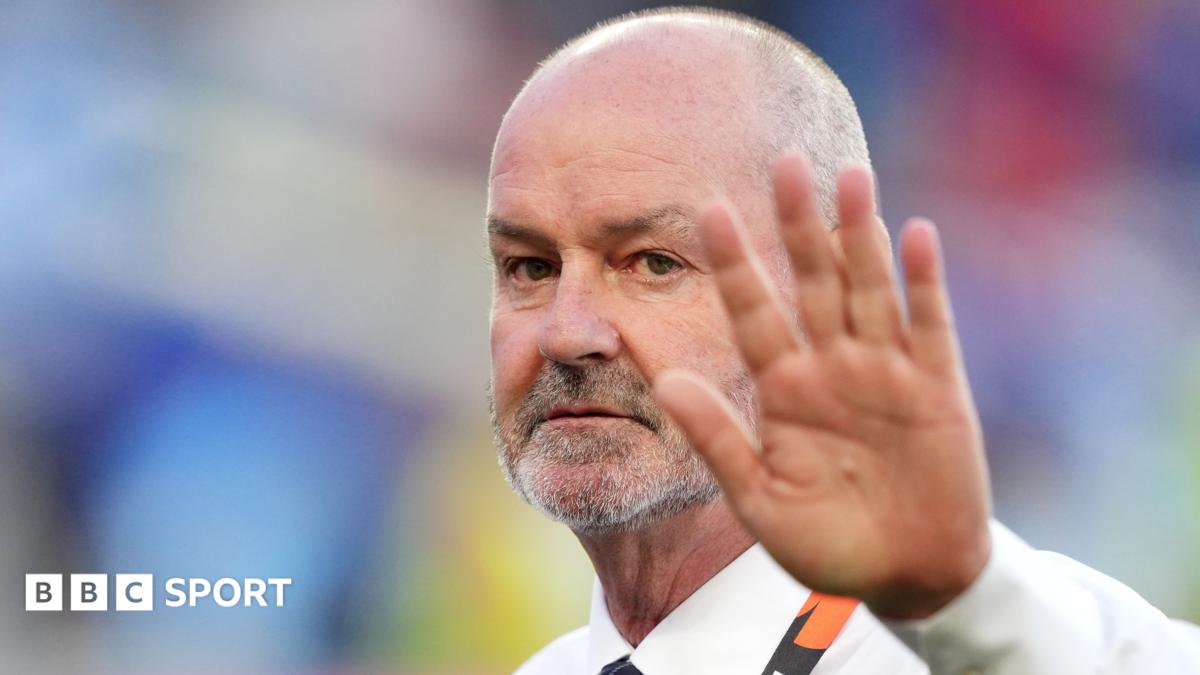
Scottish football is a magnificent, self-inflicted headache. We spend decades crying into our pints because we cannot qualify for anything, and then we spend five years complaining about the tactics when we finally get there. Yesterday, the Steve Clarke era officially ended with a letter that felt like a tired father explaining why he is leaving the family before the summer holidays.
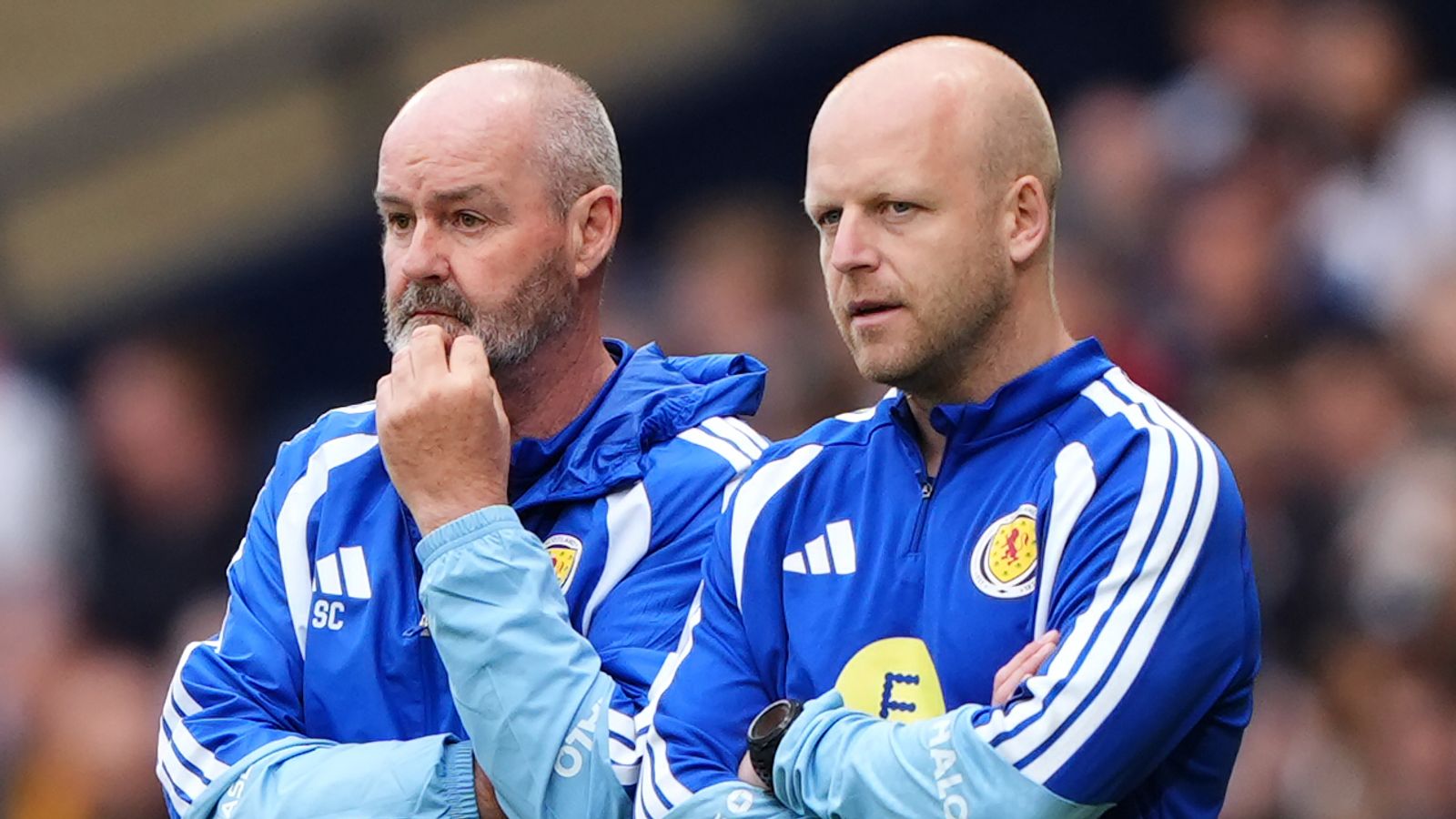
After Croatia beat Ghana on Saturday night, Scotland's mathematical survival hopes in the tournament died. Clarke did not wait around for the post-mortem. He packed his bags and published his leaving letter to the Tartan Army, signing off with a simple goodbye.
The reaction online was immediate, chaotic, and deeply divided. On Reddit, Twitter, and the dark corners of Scottish football forums, fans are already rebuilding the battle lines. Some are mourning the loss of the most successful manager they have seen in a generation, while others are throwing a party because they no longer have to watch five defenders pass the ball to each other inside their own box.
Let's be honest. Watching Scotland try to attack under Clarke was like watching a turtle try to win a drag race. The debate isn't just about whether Clarke should have stayed, but about what Scotland actually is as a footballing nation.
The Clarke Loyalists: Remember Where We Came From
For one half of the fanbase, Clarke is a hero who deserves a statue outside Hampden Park. They remember the dark ages before he took over in 2019. They remember when qualifying for a tournament felt like trying to land a spaceship on Mars.
Before Clarke, Scotland was losing 3-0 to Kazakhstan and drawing with Lithuania. Clarke ended the long qualifying drought that had lasted since 1998. He created a squad that actually cared about the badge and fought for each other.
User HampdenHero on the Tartan Army Message Board posted that half of the fanbase has the memory of a goldfish. Clarke made the team respectable, and anyone expecting a tactical genius to play beautiful possession football is living in a dream world.
This group believes that Clarke maxed out the potential of this squad. They argue that Scotland simply does not have the technical players to play like Manchester City. To them, the defensive style was not a choice, but a necessary survival strategy, like trying to block a punch from Mike Tyson with a cardboard shield.
They point to the squad's injuries and limitations as the real issue. You cannot play expansive football when your best midfielders are overworked and your strikers are playing in the English Championship. Clarke did the best he could with the tools he had.
Under the handle Robertson_Rolls, another fan reminded everyone that Clarke beat Spain 2-0 and reached back-to-back Euros. They asked who is actually available that is better, warning that the alternative is returning to the wilderness.
The Modernists: Tactical Boredom and a Cowardly Exit
Then you have the other side of the pub. These are the fans who would rather lose playing football than watch another ninety minutes of Clarke ball. They argue that the style of play had become completely unwatchable.
For these supporters, the tournament was the final straw. They watched Scotland sit back, refuse to press, and struggle to cross the halfway line. The lack of ambition was what really killed them, not just the results.
On r/ScottishFootball, user McTominayUltra wrote that they are tired of the excuse that Scotland lacks players. With guys in the Premier League and Serie A, having zero shots on target in a must-win game is like buying a Ferrari and only driving it in reverse.
The critics believe Clarke was too loyal to his favorite players. He kept starting the same veterans even when their legs were completely gone. Young players with pace and creativity were left on the bench to rot while the team played for a nil-nil draw.
They also point to the tactical rigidity. It was always a back five, always defensive, and always hoping for a set-piece goal. When opponents figured out how to stop the wing-backs, Clarke had no plan B.
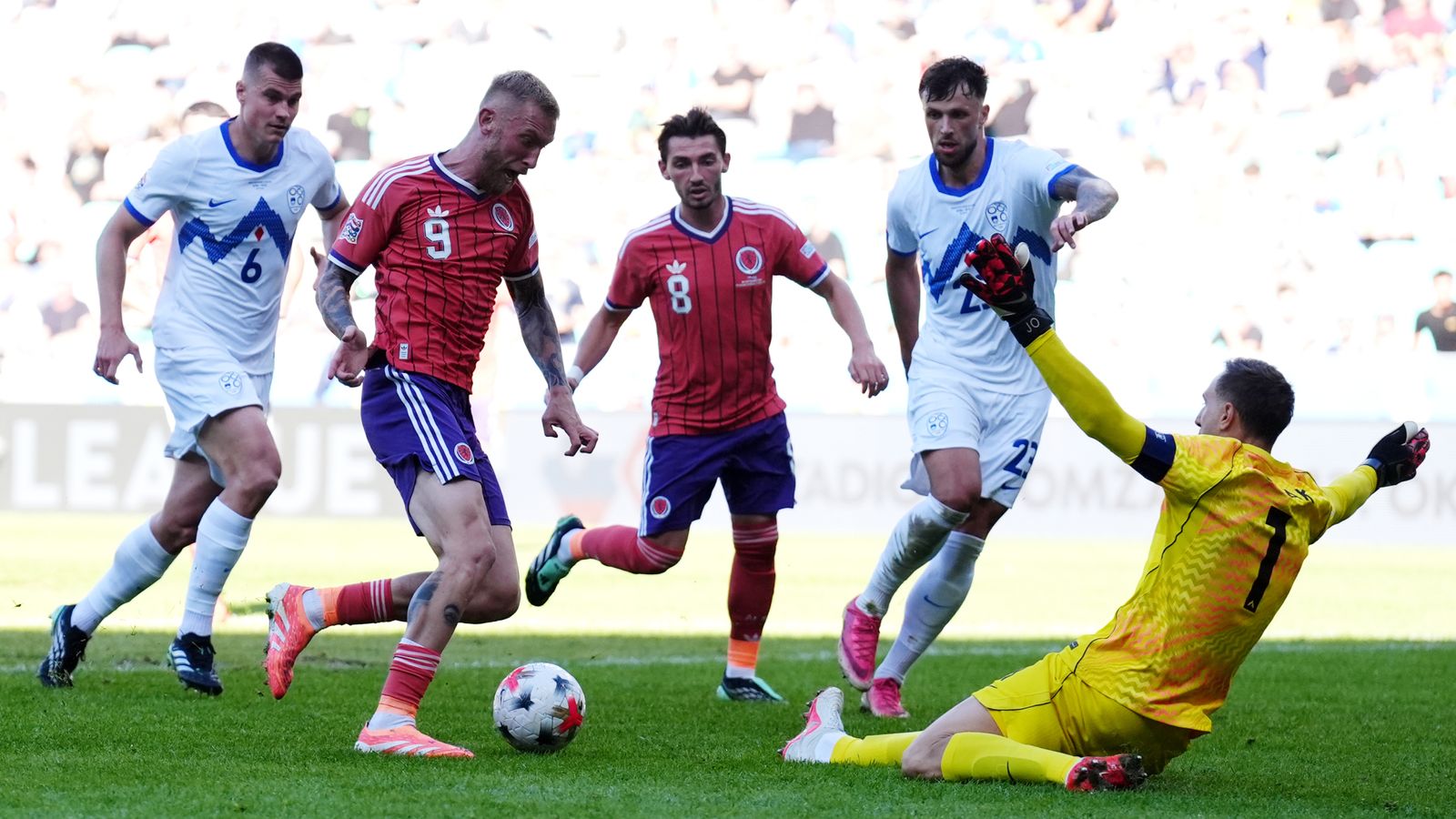
Consider the match against Hungary. Scotland needed a win to advance, yet they played like they were defending a lead in a cup final. It was painful, slow, and ultimately deserved the late heartbreak they suffered, as BBC Sport reported on the fans' disappointment.
The Contrarians: The System Was Always the Problem
Of course, there is always a third group that wants to blame everything except the manager. These are the systemic contrarians who believe Scottish football is fundamentally broken. They argue that changing the manager is like changing the deckchairs on the Titanic.
To them, the problem lies in youth development and the lack of technical coaching. They believe the Scottish Football Association is run by dinosaurs who do not care about the grass-roots game. The national team is just a reflection of a broken system.
Forum user BillyBremnerHat posted that Scotland could hire Pep Guardiola tomorrow and still struggle. The SFA produces runners rather than technical players, meaning Clarke's tactics were just a symptom of a youth system twenty years behind Europe.
This perspective argues that Scotland is caught in a cycle of mediocrity. We qualify for a tournament every four years, get exposed by technically superior teams, sack the manager, and start again. It is a loop that never ends.
The Verdict: Who Has the Stronger Argument?
So who is right in this Scottish civil war? While the loyalists deserve respect for pointing out the historical context, the critics have the stronger case. The style of play had reached a dead end, and the exit was painful to watch.
You cannot defend Clarke's approach when smaller nations with fewer resources are showing more courage. Look at how Georgia played with directness and bravery, or how Albania pressed opponents. Scotland under Clarke looked like they were terrified of the ball.
Clarke did a fantastic job rebuilding the foundations of the national team. He gave the country its pride back after years of embarrassment. But his tactical flexibility was non-existent, and the team had stopped progressing.
The modern game requires more than just defensive shape and team spirit. Even smaller nations showed more tactical variety and attacking intent in their matches. Scotland looked like a team stuck in the past.
The next manager will face a massive challenge. They must transition away from the veteran players who served Clarke so well and integrate new talent. The target cannot just be qualifying anymore; it has to be playing football we can actually enjoy.
Clarke's legacy is secure as the man who woke Scottish football from its long sleep. But it was definitely time for him to go. Sometimes you have to thank a manager for the memories and move on before the relationship turns completely toxic.