The shadow over Lisbon
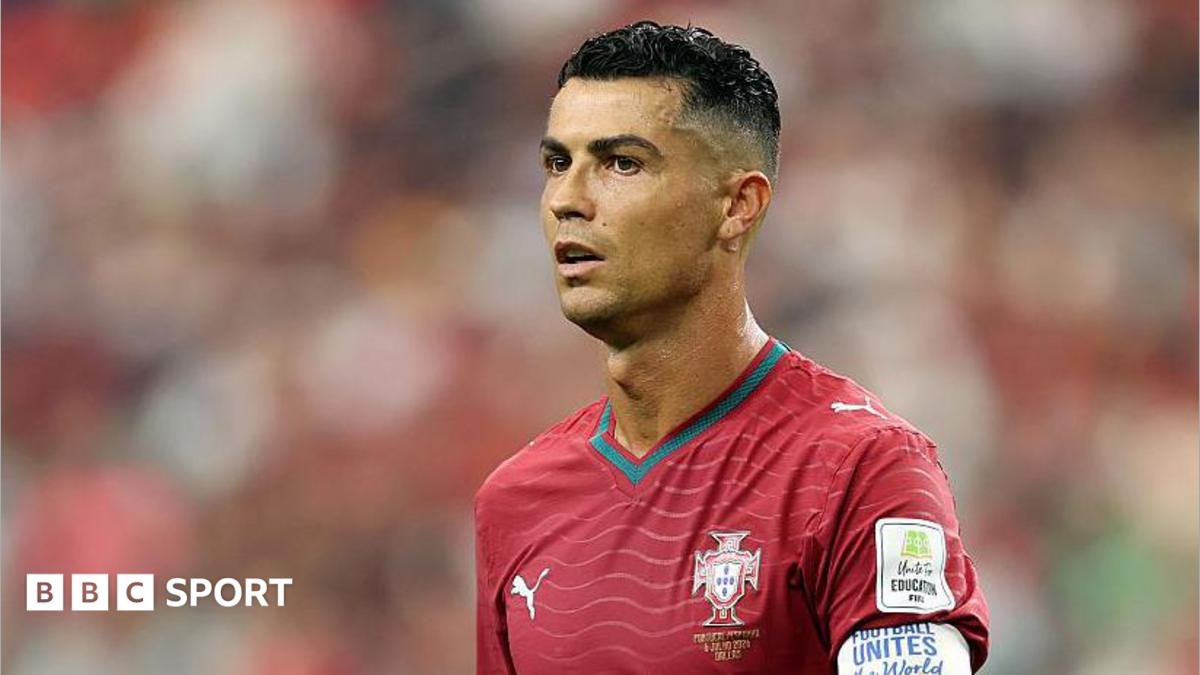
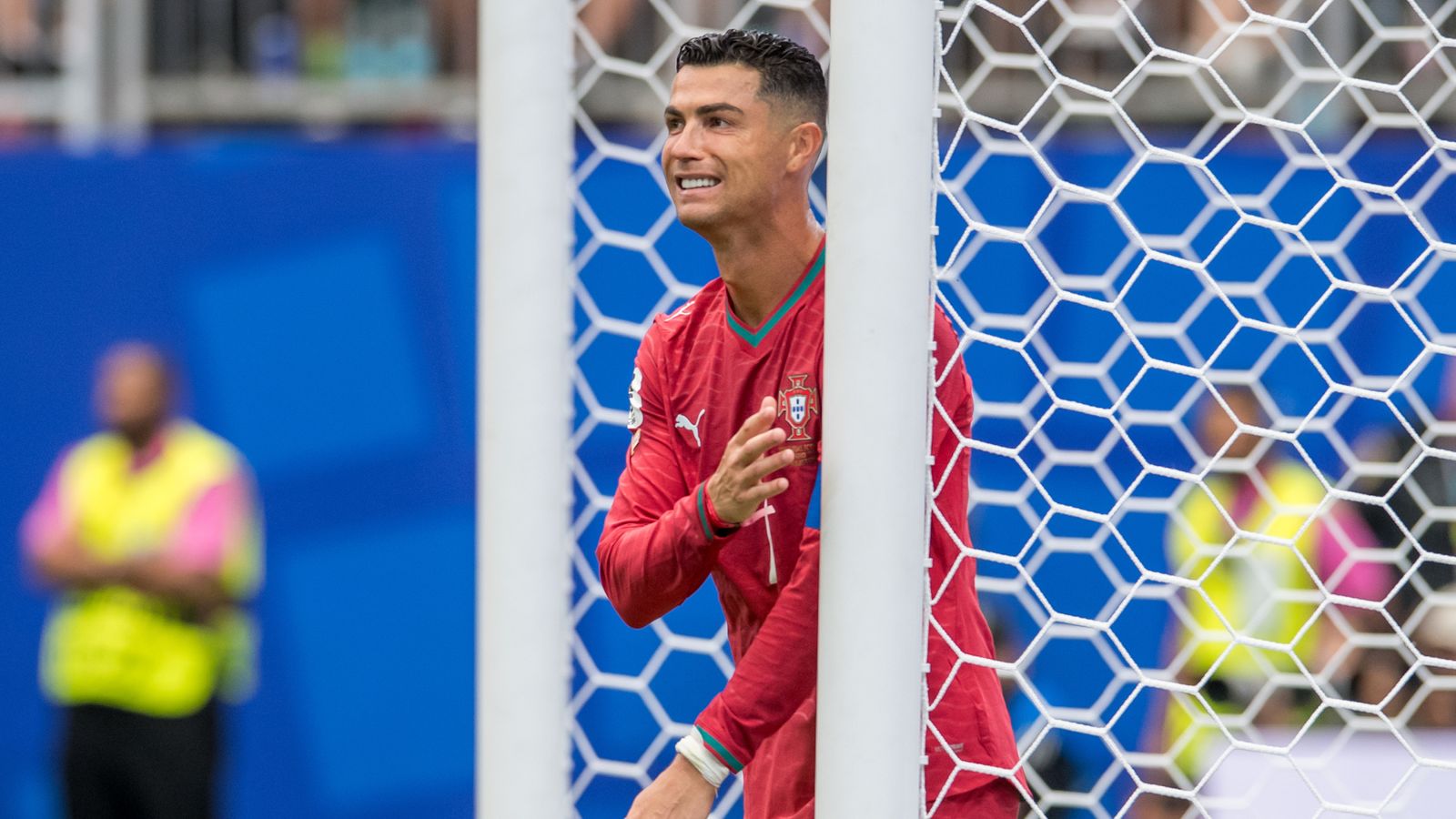
We are operating under Tier 2 sourcing here. Reports concerning Cristiano Ronaldo’s future with Portugal during this 2026 World Cup cycle are split between on-field historic achievements and off-field tactical friction. While Daily Mail confirms his record-setting goal against Uzbekistan, the broader discourse remains fixated on his actual utility to the squad.
Roberto Martinez faces an unprecedented management challenge. Managing a player with such deep gravitational pull often compromises tactical fluidity. As Mirror Football noted, the manager is under constant fire regarding his refusal to rotate the 41-year-old. The tactical cost is becoming clear to rival analysts.
The mechanics of a fading icon
At 41, the profile is no longer that of a dynamic spearhead. The game against DR Congo exposed a lack of movement, extending a goalless dry spell in major tournaments that had fans questioning his starting spot. When a veteran of this stature commands the starting eleven, the entire structure of the side must be reconfigured to compensate for limited defensive pressing.
Alan Shearer weighed in on the power dynamics within the dressing room, suggesting in Daily Mail that Martinez might feel effectively barred from using substitutions. This creates an imbalance. Tactical substitutions are the lifeblood of international tournament football. If the manager feels restricted, the team’s ability to adjust during high-leverage moments disappears.
Tactical fit vs individual record
The current setup prioritized individual accolades over team cohesion in the opening stage. Scoring against Uzbekistan provided a momentary reprieve from media heat, yet critics remain vocal. Some outlets like Football365 have labeled the current output an empty shell of his former self, pointing to the quality of opposition as a reason for the statistical padding.
The lack of balance hurts Portugal. By funneling play through a static target, the midfield is often forced into long-ball patterns rather than the intricate build-up that Portugal's roster is technically capable of executing. It is a one-dimensional problem in a tournament that demands versatile solutions.
Probability and outlook
The probability of a change in status before the knockout stages is low. Martinez appears committed to riding out this cycle, regardless of external noise. We expect this narrative to persist until Portugal either exits the tournament or faces a top-tier European opponent capable of exploiting the lack of mobility in the final third.
The impact of this decision is binary. Either Ronaldo continues to find ways to drag the team over the line through sheer force of will, or the team crashes out early due to an inability to press or transition quickly. The risk is that the manager is prioritising the past at the expense of the present.
If they progress, the debate will simply intensify. Every touch and every substitution will be dissected under a microscope until the final whistle blows on their campaign. For now, the Portugal experiment remains a fascinating study in managing a legend who refuses to step aside.
Read Next
- Portugal's tactical rigidity meets a brutal World Cup reality check
- Portugal's reliance on Ronaldo is becoming a statistical dead end
- Roberto Martinez is gambling his Portugal legacy on a fading icon
- Cristiano Ronaldo's scoring drought puts Portugal's knockout hopes in the freezer
- 🏆 World Cup 2026 — Full Coverage Hub
- 🇵🇹 Portugal World Cup 2026 — A Seleção Hub