The shadow of a legend looms over Portugal’s campaign
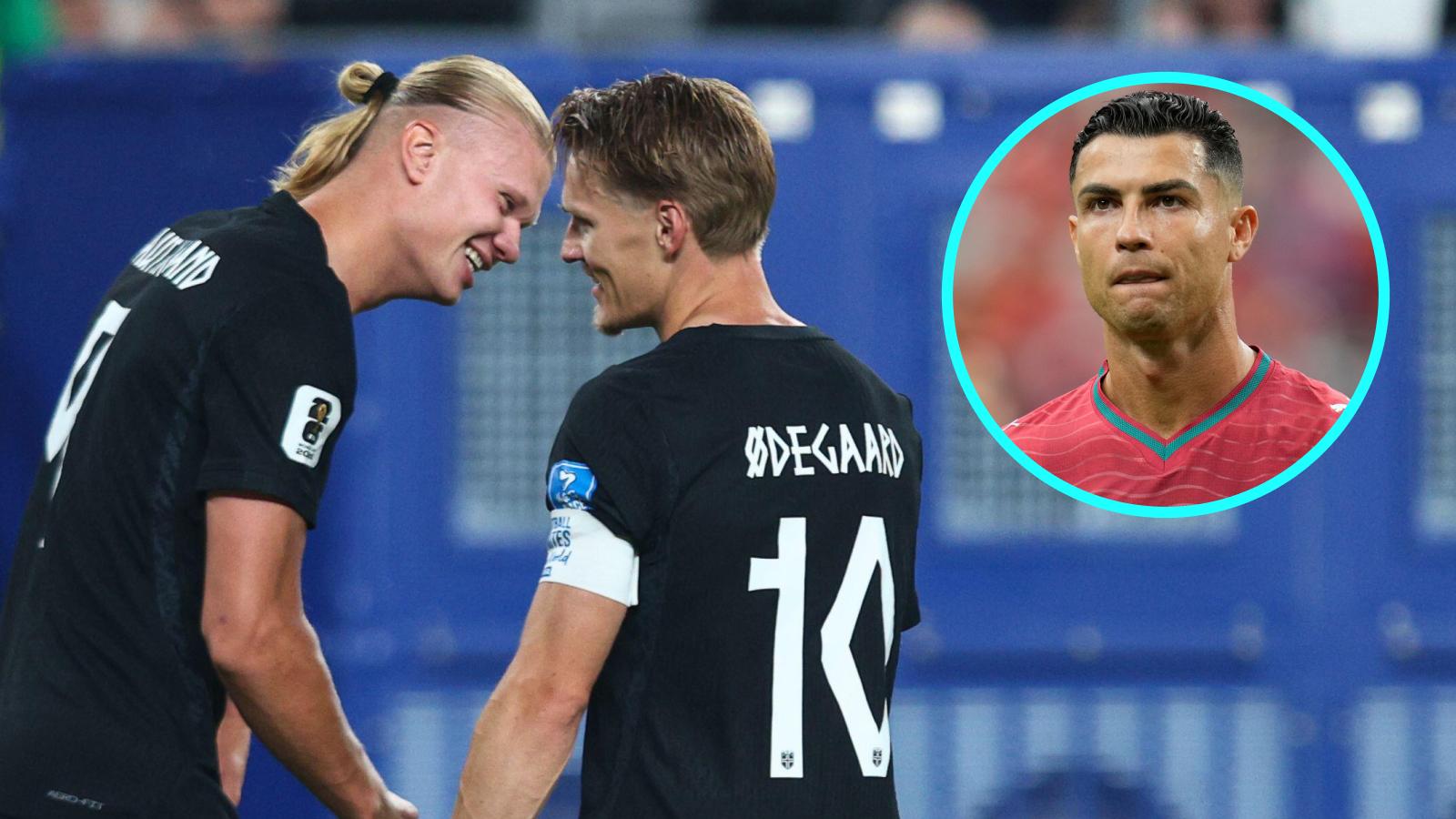
Cristiano Ronaldo is currently enduring a 10-game scoreless streak in major international tournaments. This drought represents the longest dry spell of his career at the top level. The frustration on the pitch was evident during the recent drab performance against DR Congo, which has fueled a growing debate among fans and pundits regarding his ongoing utility to the Portugal starting eleven.
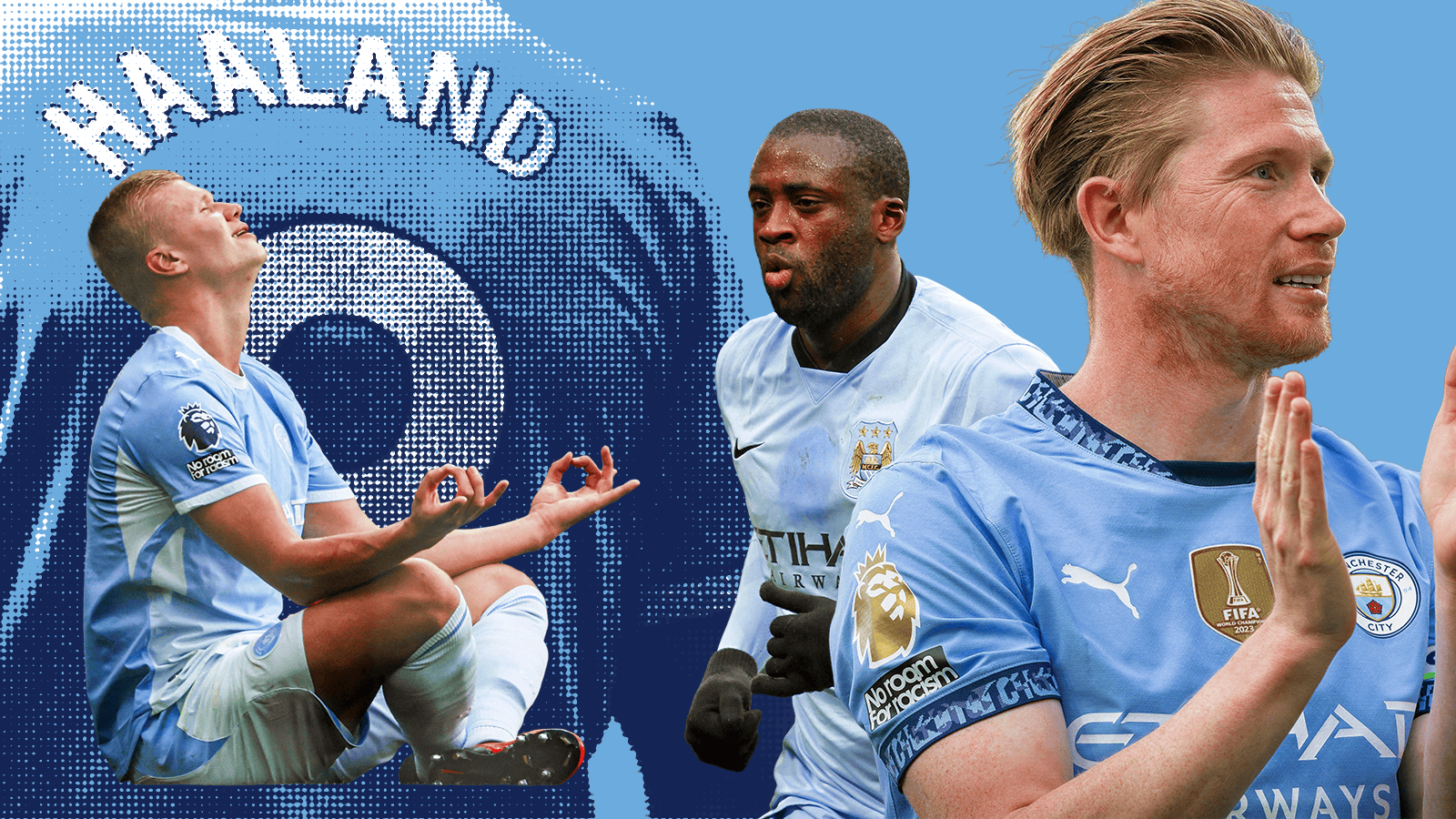
While his peers are lighting up the 2026 World Cup, Ronaldo is falling behind. As highlighted in recent reporting on the tournament scoring race, Lionel Messi, Kylian Mbappe, and Erling Haaland have already established command of the Golden Boot race. Ronaldo is effectively invisible in this specific category, leaving Portugal to rely on secondary options for offensive production.
Tactical friction and the weight of the captaincy
The internal dynamic surrounding the Portugal squad has grown increasingly toxic. According to BBC reporting, there is a vocal backlash on social media directed at Ronaldo’s teammates for their inability to facilitate his scoring opportunities. This public discourse ignores the reality that Ronaldo is no longer the focal point of a balanced attack. The team is forced to contort its shape to accommodate a fading star, often at the expense of younger, faster talent.
Strategically, manager Roberto Martinez faces a precarious choice ahead of the upcoming match against Uzbekistan. If he benches his captain, he risks massive internal fallout and media noise. If he keeps him in the starting lineup, he risks another stagnant offensive display in a high-stakes tournament match. This is no longer a minor issue of poor form; it is a full-scale tactical headache that threatens to derail Portugal’s progression past the group stages.
A pattern of decline in major climates
History rarely favors aging legends who refuse to adapt their game. Ronaldo’s physical profile has shifted significantly, yet his tactical role remains rigid. His recent struggles mirrors the performance dip seen in international legends who were pushed past their expiration date. By refusing to evolve, he is creating a bottleneck in a Portugal squad that otherwise possesses elite technical creativity in midfield and on the wings.
There is also deep concern regarding the physical toll of these tournament structures. The 30-minute stretches where Ronaldo remains disconnected from the team's build-up play are becoming frequent. This lack of movement off the ball compromises the press, as the rest of the attacking unit is required to compensate for his inertia. This tactical imbalance is arguably the biggest contributor to the current goal-scoring famine.
The Uzbekistan litmus test
The narrative shift is undeniable. As discussed by Sky Sports, the scrutiny on Ronaldo is reaching an inflection point. A failure to perform or, more importantly, a failure to score against Uzbekistan will force Martinez to take drastic action. The tournament environment in 2026 demands relentless speed and high-intensity pressing, two areas where Ronaldo is currently failing to meet expectations.
The current state of Portugal's offense is not just a statistical anomaly; it is a systemic flaw. By retaining Ronaldo as the center of the project, they are effectively limiting their own ceiling. Unless the coaching staff can extract a response from him in the next fixture, the Portuguese federation faces an embarrassing early exit. The pressure is no longer just on Ronaldo to score; it is on the manager to decide if the captain represents the best path forward for the team or for his own ego.
Read Next
- Roberto Martinez faces a striker selection headache against Uzbekistan
- Erling Haaland is making the World Cup look like a Sunday kick-around
- Germany take Nico Schlotterbeck hit ahead of World Cup opener
- The summer transfer window is currently a burning dumpster fire
- 🏆 World Cup 2026 — Full Coverage Hub
- 🇵🇹 Portugal World Cup 2026 — A Seleção Hub