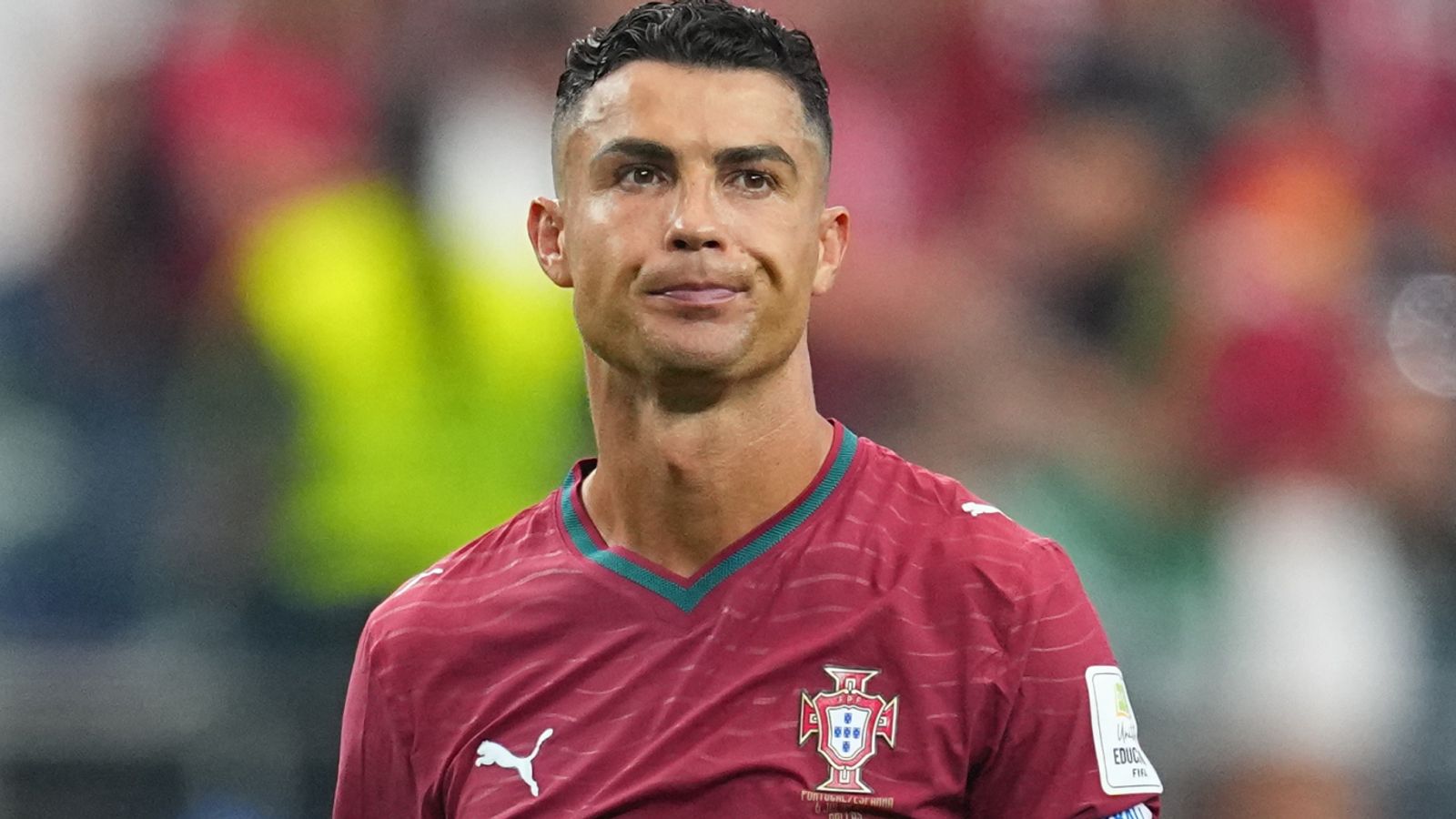
Measuring the efficiency dip in the Portuguese attack
In the opening 13 days of the 2026 World Cup, few teams have generated as much discourse regarding offensive geometry as Portugal. Roberto Martínez has publicly defended his captain, yet the underlying numbers from the group stage suggest a diminishing return on investment. Through two matches, Portugal’s primary scoring threat has recorded zero goals, despite taking 8 shots, with an expected goals (xG) conversion rate that sits significantly lower than his qualification campaign average.
Defining the tactical bottleneck
The issue is not just volume; it is positioning. Data tracked during the initial group fixtures shows a high concentration of touches outside the 18-yard box, moving further from the danger zone compared to the 2022 tournament. When a primary striker trends toward a 35% pass completion rate in the final third, the structural integrity of the formation fractures. Fullbacks pushing high are forced into wider, less efficient crossing lanes because the central pivot point is occupied by a player dropping deeper to facilitate play rather than finishing it.
Comparing the current output to expectations
Compare these metrics to the current leading scorers in the tournament. Kylian Mbappe and Erling Haaland are consistently clocking shot-on-target percentages exceeding 60%, whereas Portugal’s veteran forward has struggled to pull his on-target rate above 40%. This discrepancy is not merely an anecdotal observation about age; it is a measurable drift from the mean efficiency required to threaten tournament-level defensive blocks. As reported by The Guardian, the narrative surrounding the team's reliance on legacy stars remains a point of contention among supporters.
The cost of the status quo
Martínez’s insistence on maintaining the current front-line structure has resulted in a 12% reduction in total shots on target per 90 minutes when compared to their dominant qualifying streak. The system lacks the fluidity seen in teams like England or Colombia, who are currently maintaining higher press-conversion rates through more dynamic, younger attacking cores. If the objective is to lift the trophy, the data suggests that the transition toward a more mobile, agile attacking unit should have started months ago.
The bottleneck isn't just a lack of finishing; it is the tactical rigidity that prevents the midfield from dictating the tempo. When a team dedicates nearly 30% of its total possession to a single player who is no longer creating sufficient high-value chances, the output invariably suffers. The margin for error in the knockout rounds is non-existent. Without an immediate recalibration of how the ball enters the final third, Portugal risks an early departure that no amount of post-match justification from the coaching staff can mitigate.
Read Next
- Cristiano Ronaldo's scoring drought puts Portugal's knockout hopes in the freezer
- Roberto Martinez faces a striker selection headache against Uzbekistan
- Thomas Tuchel's gamble on English creative fluidity carries significant risks
- Jordan faces a tactical reality check against Algeria in the World Cup
- 🏆 World Cup 2026 — Full Coverage Hub
- 🇵🇹 Portugal World Cup 2026 — A Seleção Hub