The fallout from the broadcast room
Former Atletico Madrid striker Rade Bogdanovic has officially apologized for a series of racially charged remarks directed at black players during a live World Cup broadcast on Serbian television. The incident occurred during analysis, drawing immediate condemnation from viewers and officials alike. Bogdanovic, who built a career on his reputation as a sharp-tongued pundit, now faces an indefinite hiatus from his media duties.
This case serves as a sober reminder of the standards expected in modern sports media. While broadcasters often prize unfiltered opinion, the line between aggressive tactical critique and unacceptable personal commentary is rigid. Broadcasters are no longer immune to the immediate accountability enforced by digital-native audiences who document and disseminate inflammatory remarks within seconds.
Historical context of broadcast controversies
Media entities have seen similar instances result in permanent exits. Historical comparisons to past high-profile sports media departures show a trend of zero-tolerance policies. Network heads are increasingly sensitive to how such comments affect commercial revenue and brand integrity.
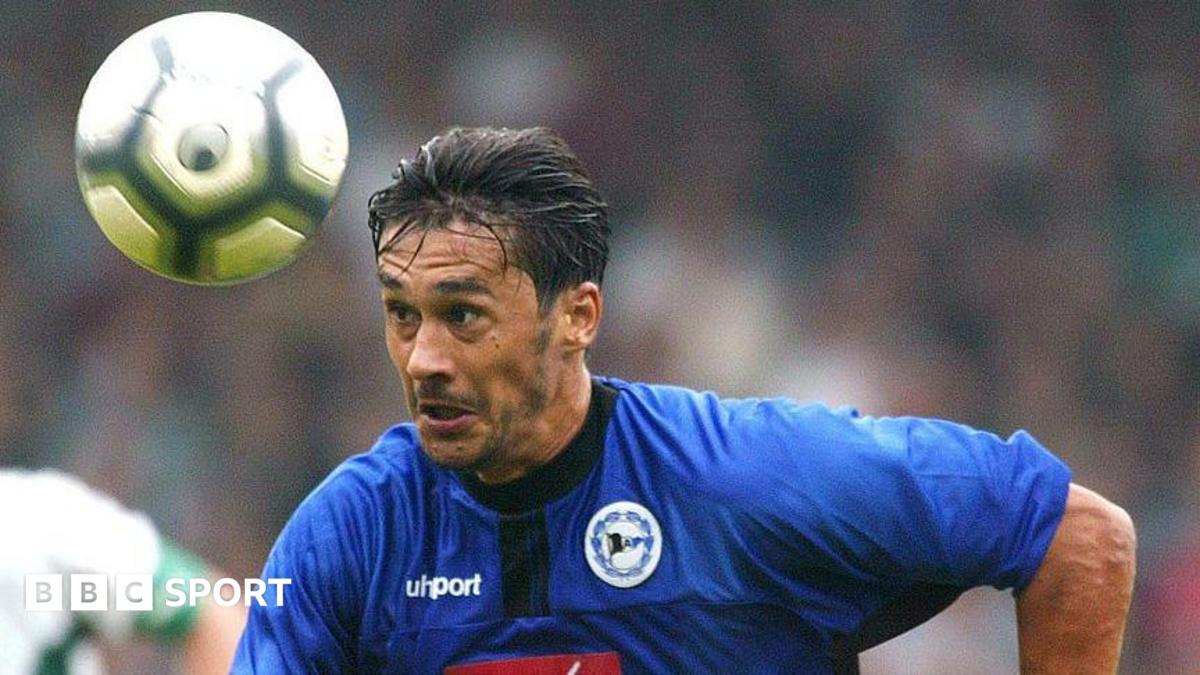
Bogdanovic, known as a striker who played for Atletico Madrid and Werder Bremen, utilized his playing pedigree to secure prominent analyst roles. However, professional background does not shield individuals from the consequences of discriminatory language. His current situation mirrors wider industry trends where veterans of the game are sidelined for failing to adhere to updated conduct protocols.
Strategic and industry implications
The incident reflects a broader movement within European broadcast networks to professionalize their on-air talent pools. Networks are prioritizing analysts who understand current sociocultural norms to avoid similar PR crises. This shift places significant pressure on older generations of pundits who built their brands on blunt, often provocative delivery styles.
Competitors monitoring this situation are likely reassessing their own on-air compliance training. For the networks involved, the strategy is now prevention rather than damage limitation. The financial costs of rectifying brand perception after such controversies are substantial enough that we can expect stricter screening and rehearsals for live guests moving forward.
The missed opportunity for better dialogue
There is a recurring issue in sports punditry where analysts fail to distinguish between athletic performance and personal attacks. By centering his critiques on race rather than tactical failures or technical shortcomings, Bogdanovic failed to offer value to a knowledgeable audience.
Pundits often face the temptation to generate viral moments through controversy. This approach is lazy journalism that ignores the nuance of the game. Professional analysis in 2026 demands a level of sophistication that goes beyond inflammatory soundbites. Failure to grasp this reality ultimately diminishes the quality of sports entertainment for everyone involved.
Assessing the long-term career impact
Whether this apology serves as a pathway back to the screen is uncertain. Many networks prefer to move on entirely rather than manage the ongoing friction caused by re-hiring controversial figures. Bogdanovic’s recovery depends on the network’s assessment of his value proposition versus the liability he carries.
Fans who tune in for tactical breakdowns are unlikely to see his return to major broadcasts during this cycle. The industry standard has shifted, and the tolerance for mistakes of this magnitude has evaporated. We are seeing a purge of outdated attitudes within football media, leaving little room for those who cannot navigate the modern environment.