
Michael Oliver handling Norway versus France is a gamble
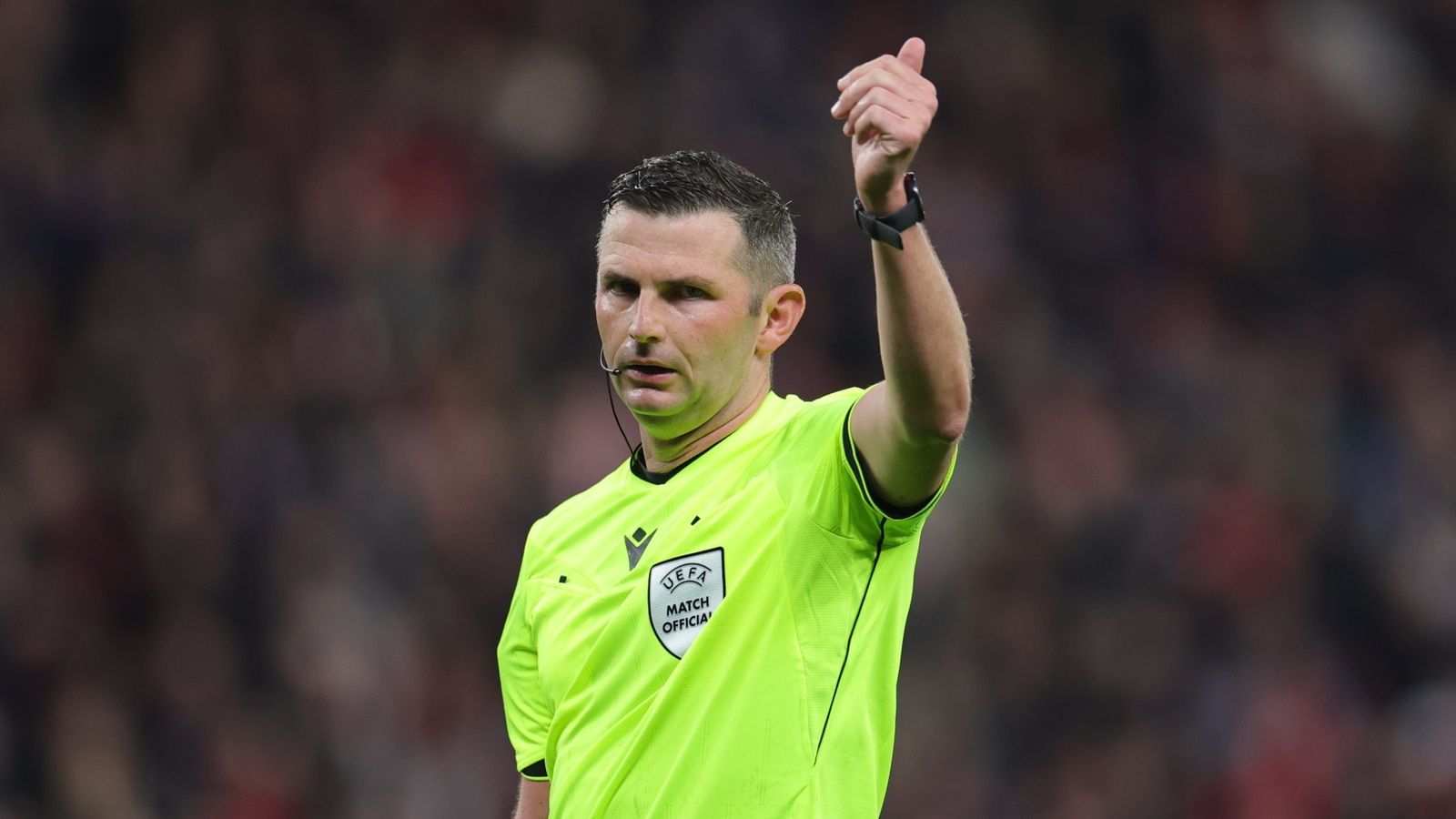
The weight of the whistle on the biggest stage
The appointment of Michael Oliver to oversee Norway versus France in the 2026 World Cup is a curious decision that feels less like a reward for domestic consistency and more like an experiment in handling high-velocity talent. Oliver has spent years navigating the frantic nature of the Premier League, but international fixtures carry a distinct kinetic energy that often baffles officials accustomed to slightly more predictable rhythms.
When we look at the tactical setups, France acts as a machine optimized for transition. Their ability to exploit pockets of space between the midfield and the defensive line is unmatched. If Oliver cannot maintain a tight collar on the physicality of the game within the opening 15 minutes, the tactical foul will become the primary instrument of defense. We have seen this happen before; when referees allow the game to breathe too early, it often leads to a cynical cascade of sliding tackles that ruin the flow.
The risk of letting the game run
Oliver is known for his preference to let play continue rather than blowing for soft touches. That approach works in a rainy Tuesday match at Craven Cottage, but in a tournament setting with this much at stake, it becomes a liability. Players like Erling Haaland for Norway do not need much room to operate. If Oliver refuses to penalize the small, tactical disruptions that break up counter-attacks, the defensive side gains an unfair advantage simply by hacking at ankles and shins.
Historically, officiating teams that prioritize flow over control end up with a high count of second-half cautions. According to reported tournament updates, the standard for officiating has been under scrutiny throughout the group stages as matches become increasingly congested. We aren't seeing a high volume of VAR interventions, which suggests the on-field referees are being told to stick to their guns. That puts immense pressure on Oliver to get the subjective calls correct in real-time.
Tactical clashes in the technical area
Norway will attempt to stifle France by clogging the center and forcing play into the wide areas. This strategy relies on the referee allowing robust defensive work. If Oliver whistles for every shoulder-to-shoulder challenge, the French wingers will find themselves standing over free kicks all afternoon. That scenario favors the side with the set-piece specialist, which is a massive variable that could swing the match on a single 82nd minute dead ball.
It is worth noting that Oliver has struggled in previous competitions to differentiate between a successful physical challenge and a dangerous lunge. His proximity to the play is excellent, but his patience with dissent is often misplaced. When the pressure peaks, managers like those running the French squad will be looking for any sign of hesitation in his body language. If he shows any weakness early on, the players will exploit it until he is forced to overcompensate with cards.
The criticism here is not about his technical knowledge of the Laws of the Game. It is about his ability to manage the heat of a World Cup knockout atmosphere. Watching his previous assignments, there is a recurring pattern of getting lost in the intensity, essentially becoming a spectator rather than an arbiter. For a match of this magnitude, we need a conductor, not a bystander. If Norway keeps their shape as expected, the burden will fall on France to move the ball with speed. Whether Oliver facilitates that or obstructs it will define his tournament record.
Read Next
- Mbappe, Haaland, and Messi are turning the 2026 World Cup into a sprint
- Erling Haaland's Norway is a problem for everyone else
- Jeremy Doku’s short flight says everything about modern footballers
- Erling Haaland is making the World Cup look like a Sunday kick-around
- 🏆 World Cup 2026 — Full Coverage Hub
- 🇫🇷 France World Cup 2026 — Les Bleus Hub
- 🇳🇴 Norway World Cup 2026 — Can Haaland Lead the Vikings?
adidas Tiro Match Shin Guards
Solid protection for five-a-side leagues and Sunday league battles.
Frequently Asked Questions
Why is Michael Oliver's officiating style considered a risk for this match?
How does France's tactical setup create officiating challenges?
What is the potential impact of Oliver's refereeing on Erling Haaland?
How might Norway's defensive strategy be influenced by the referee?
Why are VAR interventions currently limited in the tournament?
More Coverage
.jpg)
Anatomy of Anxious Excellence: Arteta, Geopolitics, and FIFA's Moral Vacuum
1 day, 9 hours ago
The DP Bottleneck, Cavan Sullivan, and Tactical Realism: Marlon LeBlanc's Masterclass
6 days, 3 hours ago
The Analytics of Anarchy: Tactical Pivots & Model Disruption in the NWSL
1 week, 2 days ago
The Great Realignment: Guardiola's City Exit, Alonso's Chelsea & World Cup 2026 Fallout
1 week, 4 days ago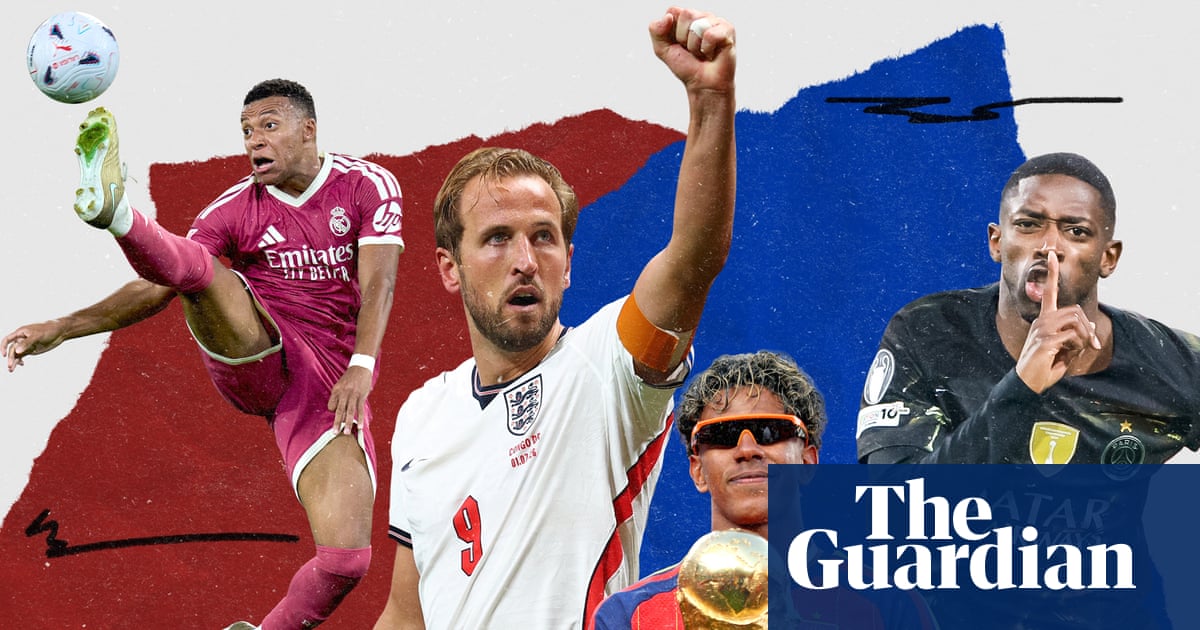
France paid the ultimate price for pushing William Saliba to his absolute limit
1 week, 5 days ago
The Corporate Buyout of Football's Crown Jewels: Inside FIFA's Wall Street Gamble
2 weeks, 2 days agoMore Analysis
France paid the ultimate price for pushing William Saliba to his absolute limit
1 week, 5 days ago
Did Mike Dean really refuse to blow his whistle in Fulham vs Wolves?
2 weeks, 2 days ago
Middlesbrough and Wrexham kick off a Carabao Cup Friday night sprint
1 month, 1 week ago
West Ham are treating the Carabao Cup like a fever dream
1 month, 1 week ago
West Ham are rolling the dice with Bowen against Norwich
1 month, 1 week ago