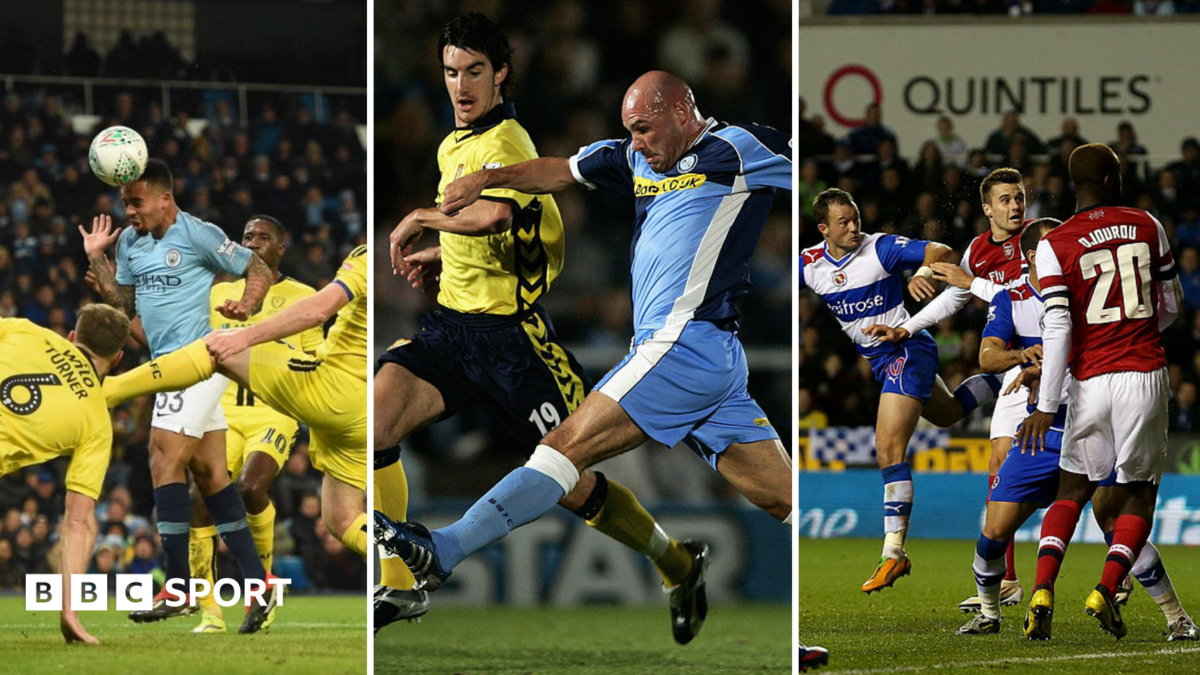
The ritual of the release
Today marks the unofficial start of the football season, though not a single ball has been kicked. At 10am, the Premier League drop arrived, and millions scrambled to check the opening weekend. It is the only day of the year where fans analyze a calendar with the intensity of an intelligence agency. For the next three months, we will obsess over the sequence of these 380 games.
The thrill of finding that first-day clash or the run-in layout is the primary currency of June. As Sky Sports reports, the release confirms the blueprint for the 2026-27 campaign. It provides the rhythm for the autumn and the dread-filled slog of the winter months.
The data behind the fixture computer
We pretend these games fall into a random order, but it is an elaborate algorithmic exercise. Constraints like police requirements, European travel requirements, and television slots dictate the flow. Fans often complain about the congestion around Christmas, but that sequence is baked into the model long before the names are populated.
What concerns me is the lack of proper rotation for mid-table sides during the busy winter period. The fixture list often punishes teams with thin squads, forcing recovery times that fall under 48 hours. Watching a team face the league leaders on a Wednesday night and then a high-pressing side on a Saturday afternoon is a recipe for tactical collapse.
Why we overanalyze the schedule
We read too much into the start. A team failing to secure points in their opening three games is not inherently doomed, yet the media narrative builds a case for termination by September. It is a psychological trap, yet we fall into it every year. We look for 'easier' stretches but ignore the reality that league parity has spiked.
Last season, the turnover in the bottom half suggested that pre-season projections are almost universally flawed. When we scan the opening block today, we are effectively staring at tea leaves. It is a sport built on variance, yet we insist on mapping it out like a fixed line.
The hidden risks of the calendar
The league has made an error in cramming high-difficulty trips into the late-season window for clubs playing in international tournaments. Over-scheduling is the quiet killer of entertainment quality. By the time we hit the 34th matchday, injury lists will be the primary factor, not tactical brilliance.
Management will complain about the schedule from August until May, and for once, the cynicism is deserved. The physical demand on players has exceeded the limits of the human body, turning the final weeks into a limp toward the finish line. Enjoy the reveal today, but prepare for the inevitable fixture rearrangements that will frustrate your plans for the next winter.
My prediction for the season? The champions will likely be decided by who managed their squad depth through this specific, congested winter window. Expect the eventual winner to win 28 matches or more, but the victory will be marked by tactical compromise rather than peak performance.