Most Premier League managers approach Manchester City like terrified accountants facing an IRS audit. They park ten defenders inside their own eighteen-yard box, pray to the football gods, and treat a two-nil defeat as an honorable triumph. It is dreary, coward-coded football designed purely to protect goal difference and avoid embarrassing headlines.
For years, Pep Guardiola has turned the English top flight into his private playground. Visiting coaches would arrive at meetings with tactical dossiers thicker than phone books, only to surrender three goals before halftime and talk about learning experiences in the press room. Brighton decided it was time to change that script entirely.
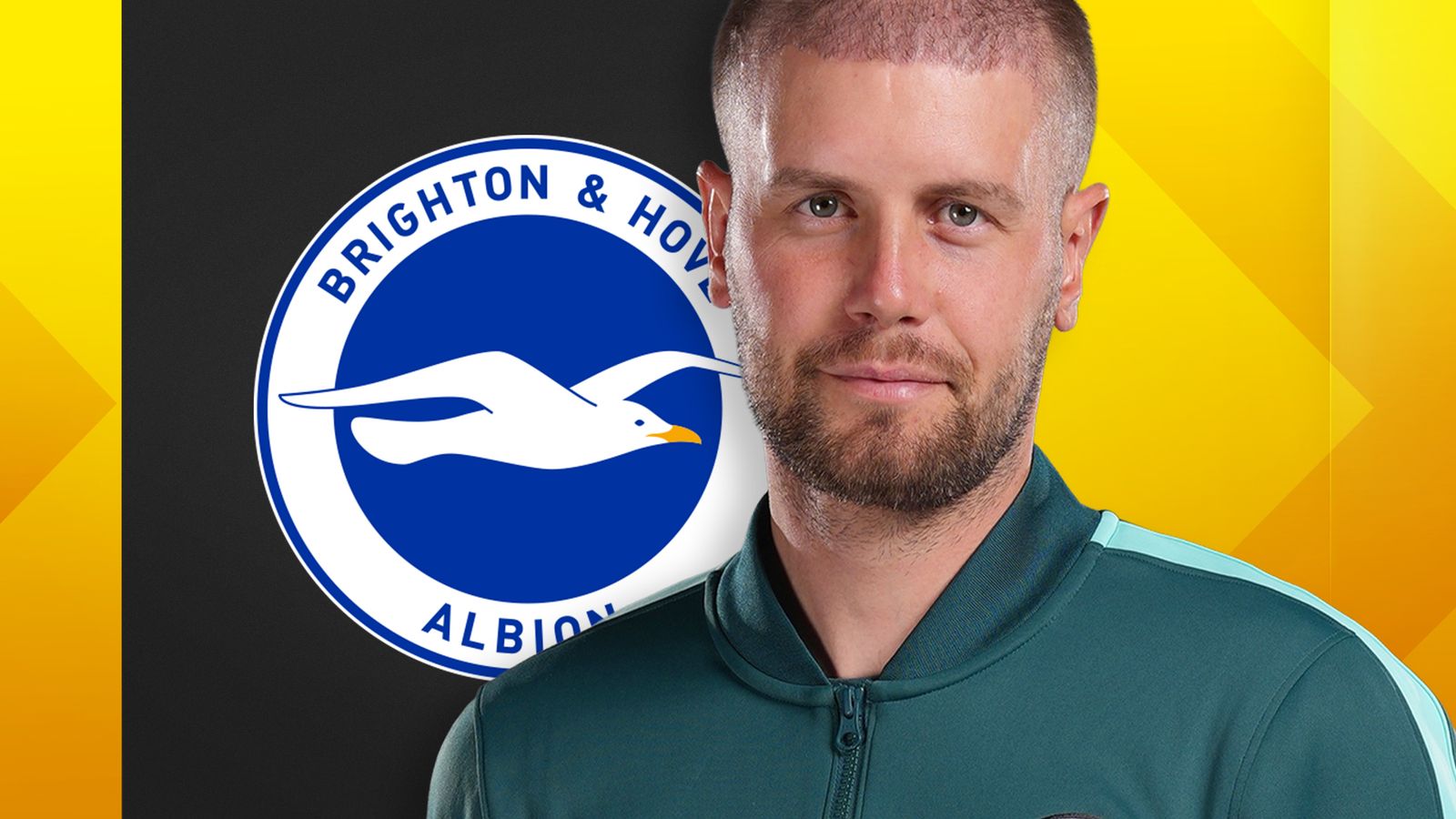
Fabian Hürzeler clearly never read that survival guide. When Brighton hosted City at the Amex Stadium, the thirty-one-year-old German tactician threw out the conventional playbook and chose violence instead. Rather than building a ten-man bunker, he brought sledgehammers and a relentless high press.
The final scoreline of 2-1 sent tremors through English football for good reason. It was not a smash-and-grab robbery assisted by two deflected own goals and a rogue south-coast wind. Brighton went toe-to-toe with the reigning champions, absorbed their heaviest punches, and bullied them into total submission.
For nearly a decade, visiting managers approached Pep Guardiola with the posture of a hostage reading a prepared statement. They dropped their backlines into the six-yard box, ceded eighty percent possession, and prayed Erling Haaland would show mercy. That strategy almost always ended with City slicing them open like a Sunday roast.
Hürzeler rejected every drop of that defeatist logic. He held Brighton's defensive line forty yards from goal and dared City to run past them. That approach requires supreme tactical bravery against world-class opposition.
Surviving the Norwegian Freight Train
Make no mistake, Brighton rode their luck during the opening half-hour. Erling Haaland broke through in the twenty-third minute, muscling past Jan Paul van Hecke like an older brother snatching a toy in the living room. For twenty minutes after that opener, City looked ready to turn the evening into another routine execution.
Haaland had two golden chances to bury the contest before the halftime whistle blew. He dragged one shot inches wide of the far post and saw another denied by Bart Verbruggen. If we are being completely honest, Brighton’s central defense looked utterly disorganized during that opening storm.
Van Hecke was lunging into duels with reckless abandon, picking up an early yellow card that could have easily wrecked Brighton's afternoon. Playing a sky-high defensive line against Haaland when your primary center-back is walking a disciplinary tightrope is pure lunacy. Had City finished their chances, Hürzeler would have been slaughtered on every post-match podcast in the country.
Van Hecke spent the rest of the half wrestling Haaland on every set piece, flirting with a second booking that would have left Brighton dead in the water. That is the dark side of this aggressive system; one mistimed tackle turns a tactical masterclass into a humiliating rout. Brighton survived that razor-thin margin through sheer willpower and a couple of fortunate bounces.
Yet Brighton refused to panic or abandon their identity. Verbruggen kept rolling short passes to his center-backs under suffocating pressure, acting as an eleventh outfield player rather than booting panic clearances into the stands. They deliberately baited City's frontline to create vertical passing lanes, refusing to compromise even when trailing.

The Engine Room Hostage Crisis
The true turning point arrived in the center of the pitch right after the break. With Rodri sidelined by his knee injury, Mateo Kovacic was left trying to plug three bursting pipes with two hands. Brighton smelled blood and targeted the space around the Croatian midfielder with ruthless precision.
Carlos Baleba played like a man possessed, covering every blade of grass between the two penalty boxes. He snapped into tackles, broke City's first phase of pressure with explosive bursts, and completely severed Ilkay Gundogan from City's attacking line. Baleba looked like prime Michael Essien on a caffeine rush.
City’s midfield suddenly looked painfully old and sluggish. Phil Foden found himself marooned on the touchline, while Gundogan lacked the lateral quickness to track Brighton’s surging runners. The fluid passing rhythm that usually defines Guardiola’s sides evaporated into thin air under a swarm of blue shirts.
Hürzeler recognized a glaring flaw in modern City: if you disrupt their recycling passes, their entire defensive rest-defense falls apart. Brighton dismantled them using three distinct mechanisms:
- Snapping passing lanes into central pockets instead of chasing the ball aimlessly
- Triggering coordinated traps the moment City center-backs took more than two touches
- Launching rapid vertical transitions into the half-spaces behind City's full-backs
It worked to perfection. City ended up pinned inside their own defensive third, completely unable to sustain possession or relieve pressure on their backline. When Guardiola's players cannot dominate the ball, they look as vulnerable as any exhausted Sunday League team gasping for air.
The Substitutions That Broke the Machine
Tactical diagrams look pretty on a magnetic board, but managers earn their reputation with in-game adjustments. In the second half, Hürzeler thoroughly out-coached Guardiola. Introducing Joao Pedro and Matt O'Riley transformed a plucky display into an all-out assault on City's goal.
Pedro returned from an injury layoff and immediately sparked bedlam in City's defensive ranks. His sharp movement between the lines gave Kyle Walker and Josko Gvardiol fits. In the seventy-eighth minute, Pedro scrambled home the equalizer after a chaotic sequence inside the box, turning the Amex into an absolute madhouse.
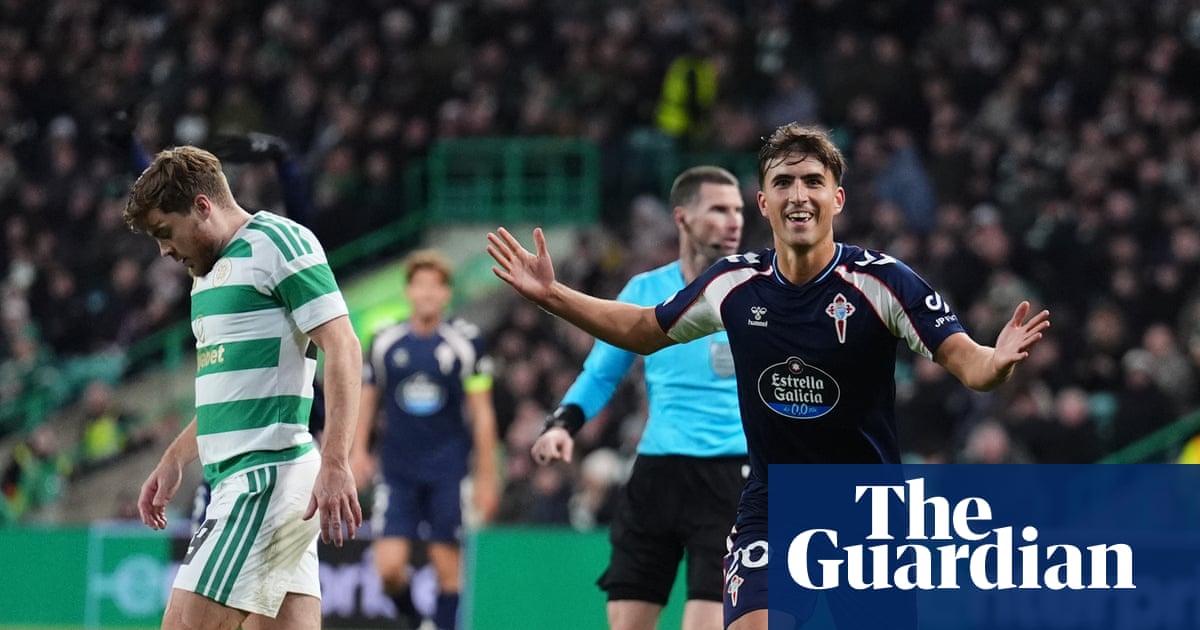
Then arrived the dagger in the 83rd minute. Pedro gathered possession on the half-turn, paused just long enough to freeze three defenders, and slipped a disguised pass behind City's backline. Matt O'Riley, signed for £25 million from Celtic, ghosted through and buried a clinical finish past Ederson.
Guardiola stood frozen on the touchline with his hands buried in his coat pockets, looking like a chess grandmaster who just realized his queen was trapped. City had no answers, no Plan B, and zero legs left in midfield. Brighton did not just take the lead; they seized the entire stadium's soul.
A Historic Collapse and What It Means
That final whistle sealed four consecutive defeats for Manchester City across all competitions, handing Pep Guardiola the worst losing streak of his tenure at the club. Think about that benchmark for a second. We are talking about an elite juggernaut that normally collects trophies like spare pocket change.
Football history offers few parallels to this kind of systematic dismantling. Remember when Marcelo Bielsa marched ten-man Leeds United into the Etihad and stunned City with a stoppage-time breakaway winner? Or when Jurgen Klopp's Dortmund rattled Bayern Munich with feral, synchronized counter-pressing? Brighton followed that proud rebel lineage, but did it with composed technical control rather than desperate defending.
City were visibly rattled across the final ten minutes. The terrifying swagger that usually strikes fear into opponents was entirely absent. You could see the fatigue dragging down their veterans, laying bare the truth that even a billion-pound squad breaks down when key pillars are missing.
Does this tactical blueprint guarantee Brighton European glory? Absolutely not. Hürzeler continues to dance on a knife's edge defensively, and giving away clear chances at this rate will eventually get Brighton shredded by clinical finishing teams. Their high line remains a gamble that can easily backfire on an off day.
Still, what Brighton delivered against City provides the rest of the Premier League with a roadmap worth studying. You cannot defeat Manchester City by cowering on your own six-yard line and begging for mercy. You have to step into the fire, match their technical sharpness, and hit them directly on the chin.
Brighton proved that bravery without balance is suicidal, but balance without bravery is guaranteed defeat. They went hunting against the biggest predator in the country and walked out with the pelt. For anyone tired of predictable title races, that night at the Amex was pure sporting poetry.
Read Next
- Carlos Tevez admitting he joined Man City for revenge is pure comedy
- Enzo Maresca's Man City holiday gamble against Brighton could backfire
- Why Man City's defensive errors are becoming impossible to ignore
- Why Virgil van Dijk refuses to coddle Liverpool's £364m front three
- ⭐ UCL 2026 — Champions League Quarter-Finals Hub