Saturday afternoon in west London brought a grim reality check for Nottingham Forest. It was a complete tactical and cultural collapse from the opening exchanges. The 2-0 defeat against Brentford dragged the club down to nineteenth place and provoked an astonishing reaction from Oliver Glasner.
The Austrian manager refused to hide behind polite cliches or protective public statements. Instead, he banged his fist on the press conference table and warned his squad that they are being physically outworked in every single match. When a head coach openly questions the basic running capacity of his team, the tactical structure cannot survive.
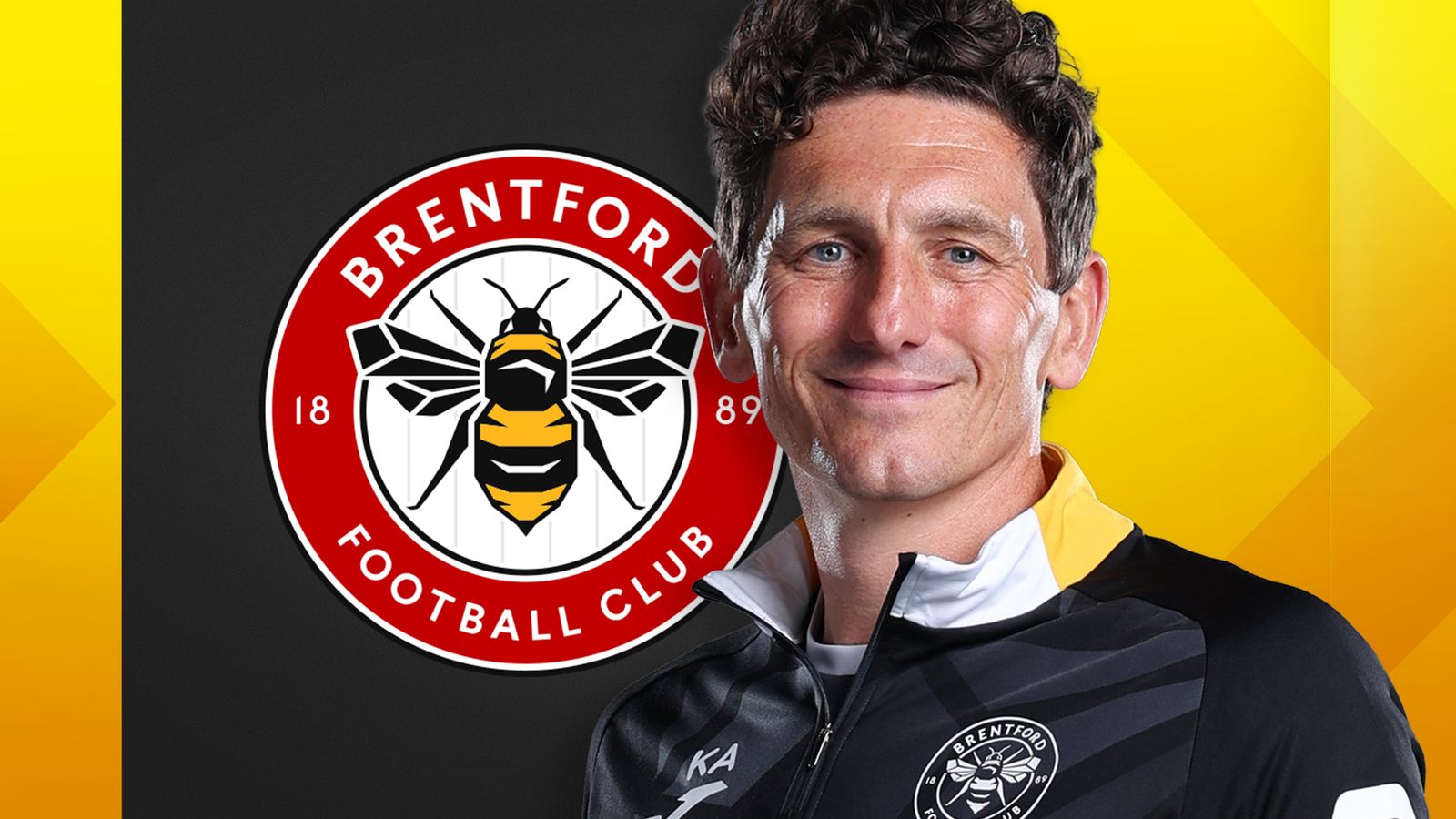
Brentford barely had to produce a masterclass to collect all three points on Saturday. A scuffed own goal from Nikola Milenkovic in the 30th minute handed the hosts total command before Igor Thiago sealed the contest in the second half. For Brentford boss Andrews, as highlighted by Sky Sports, the display went down as their best performance of the season.
That assessment says far more about Forest's total passivity than Brentford's attacking threat. Brentford had failed to win any of their previous five meetings against the Midlands club before Saturday. Yet here they glided through midfield lanes without facing an ounce of pressure.
Forest have now suffered defeat in four of their last five Premier League outings. That collapse leaves them second from the bottom of the table, stranded inside the drop zone. If the response to this crisis is not immediate, the entire campaign will slide into catastrophe before the winter schedule arrives.
The Running Deficit and the Broken Press
Glasner arrived from Crystal Palace in the summer with a distinct tactical identity rooted in aggressive transitions and high-tempo pressing. Those systems demand extreme athletic output and synchronized movements to trap opponents in wide areas. Without top-tier physical conditioning, that setup disintegrates into vast expanses of open grass.
Against Brentford, the distances between Forest's midfield pairing and their defensive line were alarming. When the attacking players stepped forward half-heartedly, Brentford bypassed the initial trap with simple vertical balls into Thiago. Milenkovic was forced to defend in reverse, caught without cover or support.
A manager cannot establish compact defensive lines when his players will not cover the necessary yardage. Glasner pointed directly to that athletic deficit when addressing reporters after the final whistle. He knows that no tactical adjustment can rescue a team that gets outrun in every single match.
Glasner's Costly Tactical Concessions
To understand how Forest reached this dead end, one must examine Glasner's own tactical management. The Austrian admitted in his post-match address that he made too many compromises from the moment he arrived at the club. That willingness to dilute his principles has proven to be an enormous mistake.
When a coach compromises on pressing intensity to accommodate sluggish personnel, tactical coherence disappears. Forest ended up caught between conflicting styles, failing to mount an aggressive high press while lacking the discipline to sit in a low block. They surrendered control because their defensive lines sat thirty yards apart.
Milenkovic's own goal was the inevitable consequence of this disjointed setup. The defender was forced into an awkward clearance under severe pressure because nobody shut down the initial cross from the flank. When central defenders are left unprotected, catastrophic mistakes will always follow.
The second-half strike from Thiago punished the exact same structural vulnerability. Brentford broke through the center of the pitch without meeting a single challenge or tactical foul. Forest simply watched the play unfold around them, looking completely detached from the contest.
The Dressing Room Revolt and the Bus Incident
Tactical systems mean nothing when squad unity collapses. Glasner brought that internal dysfunction to light when he revealed an unnamed player requested permission to travel home separately rather than board the team bus back to Nottingham. The manager shut down that request on the spot.
That single incident explains why Forest are currently spiraling toward relegation. As detailed in the post-match reporting by the Daily Mail, Glasner slammed his hand on the desk while recounting his shock at the player's attitude. A squad where individuals want personal travel arrangements after losing a league match has lost all collective standards.
Glasner did not attempt to protect his players from the consequences of their actions. He pointed out that Forest have spent four or five seasons fighting near the bottom of the league table. He knows the pattern runs far deeper than his own tenure.
"It's a clear way. I will tell [the players] what we want to do, what we have to do, and if the players buy in, I think we can have a turnaround, and if not, the sixth manager [since the start of last season] will come in."
Those words were delivered with brutal clarity. Glasner knows he could easily walk away and secure employment elsewhere within a fortnight if dismissed. Yet he insisted that he wants to remain and dismantle the culture of failure from top to bottom.
"So you need to change and rebuild from the bottom to the top. And this is clear for me. And this is what I will do. And without any compromises. Zero. Zero. And if these things don't work, they will let me know [about my exit]."
That declaration of zero compromises creates an immediate reckoning for every player on the payroll. Glasner has established a hard line in the sand. Anyone unwilling to meet his physical demands will be cut from the matchday squad.
What to Watch For in the Next Match
The immediate fallout will be visible when the lineup is announced for Forest's next fixture. Glasner stated plainly that if the current squad cannot change their physical output, the club requires different personnel. That ruthless selection process starts right now.
Supporters must watch the team sheet closely an hour before kickoff. Established starters who jogged back casually at Brentford are likely to be dropped to the bench or left out entirely. Glasner will turn toward players who show the hunger to sprint for ninety minutes.
Pressing Traps and Transition Speed
On the pitch, pay close attention to where Forest engage the opposition build-up. In recent weeks, their forward line pressed in isolated spurts, allowing opposing center-backs easy escape routes into midfield. Forest must press in tight units, locking opponents against the touchline to force rushed clearances.
The second tactical checkpoint is their reaction in defensive transition. Forest have conceded repeated chances by failing to commit tactical fouls or sprint twenty yards to recover second balls. Glasner will expect his central midfielders to shut down counter-attacks before they reach the penalty box.
Watch the body language of the back four as well. When Milenkovic and his defensive partners were left stranded against Brentford, the frustration was visible across the pitch. The defensive line must step up aggressively rather than dropping ten yards into their own penalty area.
As highlighted in the full press conference transcript on Sky Sports, Glasner did not take this job because he was bored at home. He came to achieve the ambitious targets set by ownership and supporters at the City Ground. To salvage that mission, his squad must deliver an immediate physical response.
Tactical Verdict and Prediction
Public dressing-downs from a manager often spark an initial wave of frantic energy. The training sessions this week will be punishing. Every drill will be designed to test physical commitment and defensive discipline.
However, elite athletic stamina cannot be built in five days. A squad that has been consistently outrun across the opening months cannot suddenly match high-tempo physical opponents over a full ninety minutes. Intense effort in the opening half-hour often gives way to heavy legs and mental lapses in the second half.
Forest will certainly show more fight in their next outing than they displayed during the Brentford capitulation. Glasner will strip away the passengers, field an uncompromising lineup, and demand aggressive tackling from the opening whistle. That will keep them competitive through the opening forty-five minutes.
Yet deep-rooted structural flaws do not vanish overnight simply because a manager bangs on a table. When fatigue inevitably sets in during the second half, the same defensive cracks will appear between the midfield and the backline. I predict Forest will battle hard but ultimately slip to another narrow defeat, undone once more by the very physical deficits Glasner laid bare.