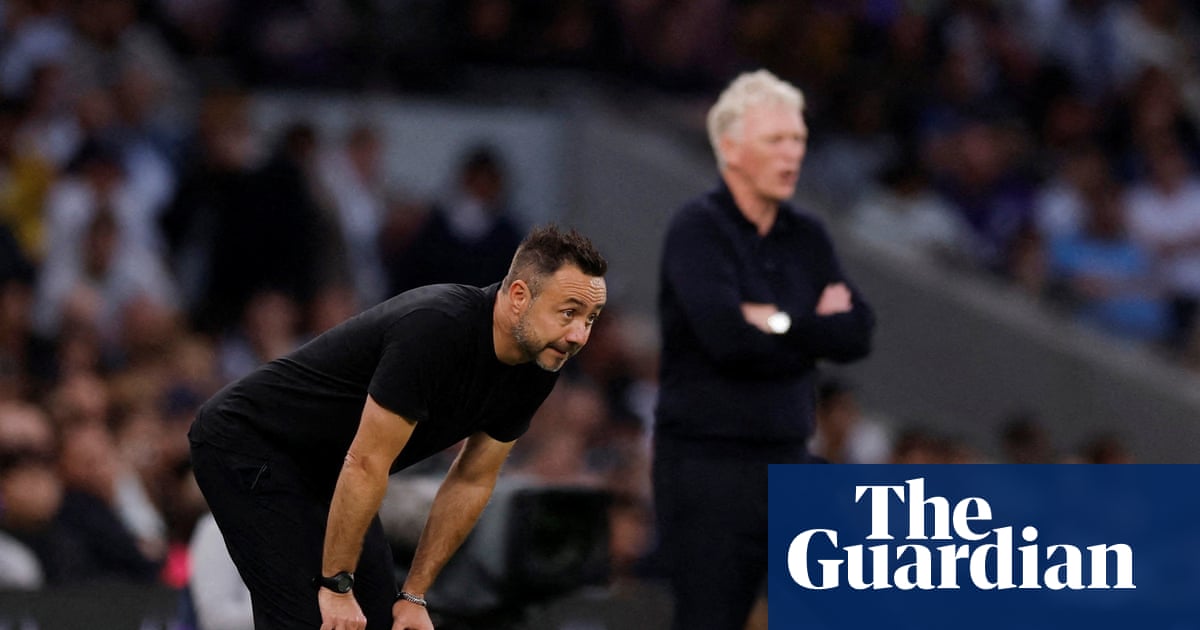
Premier League finances are spiraling into a danger zone
The £948 million warning sign
The latest Deloitte review of football finance paints a grim portrait of the modern top flight. Combined pre-tax losses for Premier League clubs jumped from £135m in the 2023-24 season to £948m in 2024-25. That represents a 600% surge in financial instability in just twelve months.
This isn't just accounting noise or the inevitable cost of staying competitive. As reported by The Guardian, the spike is tied directly to inflated transfer market activity and a sudden lack of lucrative, one-off academy player sales that previously padded the bottom line. Clubs are spending as if cash flow issues are someone else’s problem.
The Spurs strategy is looking reckless
Tottenham are currently functioning as a case study for this fiscal madness. Reports indicate they are hunting three more high-profile signings to complete their projected starting eleven, seemingly ignoring the broader market reality. Yet, their recent recruitment efforts have been marked by inefficiency.
Data suggests Spurs are responsible for three of the five most egregious transfer overpays across the league this summer. Pushing for names like Cody Gakpo or Savinho while the overall league debt climbs illustrates a disconnect between sporting ambition and long-term viability. Football365 recently detailed how this pursuit of a 'dream XI' is turning into a financial liability.
Coventry’s pragmatic gamble
Contrast the chaotic spending of the elite with the methodical approach currently being deployed by Coventry. Facing the daunting task of sustaining a top-flight campaign, they are balancing an £8m investment into the CBS Arena with the delicate business of contract renewals for existing key personnel.
While the heavyweights chase headlines, Coventry is addressing the functional realities of stadium readiness and squad retention. It is a necessary shift in priorities, as the Daily Mail notes that simple squad depth via expensive transfers is insufficient to survive a gruelling 38-game schedule. They understand that smashing transfer records only works if the foundation supports it.
The looming reality of the market
Elsewhere, movement continues unabated. Harry Wilson is reportedly moving to finalize a transfer to Leeds United, arriving at the club to complete formalities. It highlights a desperate arms race where mid-tier clubs are feeling the pressure to mirror the spending patterns of the giants, regardless of whether it makes tactical sense.
We are watching the maturation of a bubble that is becoming increasingly unsustainable. When losses climb by 600% in a single financial cycle, the margin for error effectively evaporates. Clubs that continue to overpay for players while neglecting their wider organizational health will eventually hit a ceiling.
Ultimately, the Premier League’s current trajectory relies on the hope that broadcast revenues remain astronomical. If that revenue stream plateaus, clubs with high wage-to-turnover ratios and poor transfer ROI will face a reckoning. The 'big club' model is currently being tested by the relentless math of the balance sheet, and right now, the balance sheet is winning.
adidas Oceaunz League Soccer Ball
FIFA Quality certified match ball that looks as good as it plays.
Frequently Asked Questions
What caused the 600% surge in Premier League losses?
Why is Tottenham Hotspur's current transfer strategy described as reckless?
How is Coventry City managing their budget differently than top-tier clubs?
What is the primary risk if broadcast revenues stop growing?
What is driving the spending patterns of mid-tier clubs like Leeds?
More Coverage

Arsenal face Leeds with Arteta locked in and a point to prove
7 hours ago
Why Tottenham Are Screwed and Man City's Perfect Start Means Nothing
8 hours ago
Tottenham are stuck at the bottom and history says they should panic
8 hours ago
Top 10: World Football's Biggest Storylines, Scandals, and Shocks of 2026
1 day, 7 hours ago
Why Martin Odegaard and Premier League Stars Are Obsessed With VR
1 day, 14 hours ago
Max Dowman suffers Arsenal injury scare on England duty
1 day, 21 hours agoMore Analysis

Declan Rice's mega deal shows Arsenal are all in on Arteta
2 weeks, 1 day ago
Spurs are rock bottom and Carrick is cooked: Premier League fan reactions
2 weeks, 1 day ago
Top 10: Top Moments
2 weeks, 2 days agoRicharlison Crying Emojis Won't Fix Spurs' £60 Million Disaster
3 weeks, 1 day ago
Iraola is discovering that life at Liverpool comes with zero patience
3 weeks, 2 days ago