
Tottenham’s transfer strategy is a high-stakes gamble on raw youth
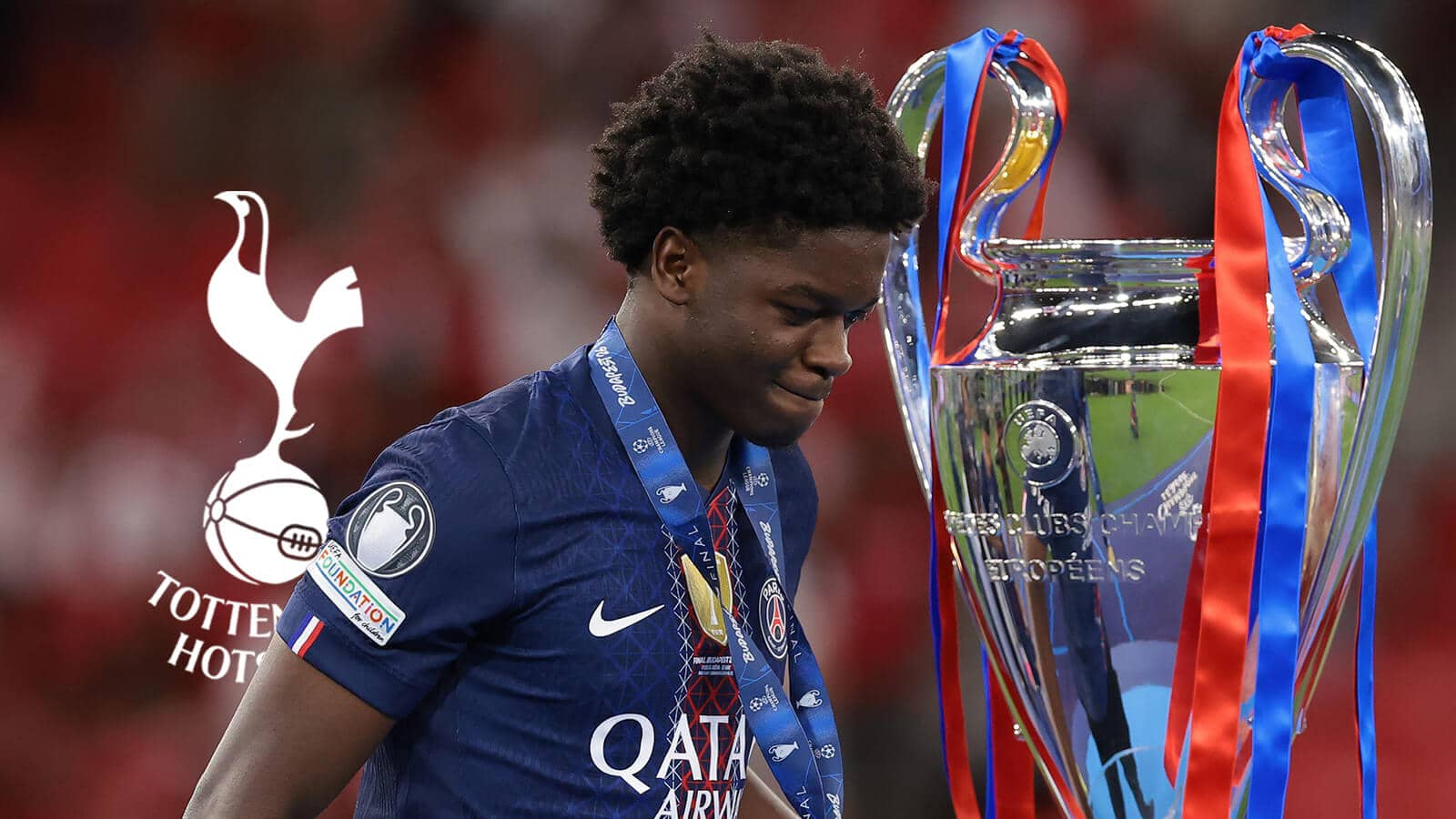
The transition from established stars to unproven potential
Tottenham Hotspur are currently steering their recruitment ship into dangerous waters. By pivoting away from proven European elites like Rafael Leao and Savinho, Ange Postecoglou and the club hierarchy are signalling a shift toward a high-variance, high-reward youth model. This strategy suggests a belief that the current coaching staff can accelerate development cycles faster than the market can price in talent.
Reports indicate that the club is shifting focus toward PSG’s Ibrahim Mbaye as a primary target. Mbaye is undeniably talented, having already set marks for his dynamic play, but he lacks the consistent top-flight output of a Savinho. Investing heavily in a teenager, even one of his profile, assumes that he can immediately adjust to the physical intensity of the Premier League schedule without a buffer period.
The paradox of the youth movement
The internal contradiction currently defining the Spurs recruitment department is glaring. While they pursue high-ceiling prospects like Mbaye, they are simultaneously fighting to retain their own internal talent from foreign vultures. As Dortmund doubled down on their bid for Mikey Moore, ENIC has had to draw a firm line in the sand. Losing a homegrown asset while overpaying for a foreign equivalent is a losing game; it ruins the club’s wage structure and signals to the academy that the path to the first team is blocked by external spending.
The club claims to have a clear position on Moore, rejecting initial advances, but resistance can crumble in the face of sufficient capital. Relying on teenagers to rotate into a European campaign is an immense ask, particularly when the squad needs immediate output to close the point gap on the top four. The 8-10 points often dropped against mid-table sides by young squads are usually the margin between a Champions League spot and the Europa League.
The gamble on Savinho and the wider market
The pursuit of Savinho was the most sensible avenue the club had explored this summer. With the player reportedly confirming his desire to move to North London, the deal felt like a pragmatic piece of business. Instead, the Fabrizio Romano reports detailing the club’s hesitation suggest a disjointed decision-making process. If a player says yes and the profile fits the high-pressing requirements of the system, walking away is a failure of technical execution.
Instead, the club seems intent on scouring the market for younger, perhaps cheaper variants of the same archetype. The interest in Ibrahim Mbaye highlights this preference for raw physical tools over tactical maturity. While the ambition is clear, the implementation remains questionable. Betting on the developmental curve of an 18-year-old in a system as demanding as Postecoglou’s is risky. If the press breaks down because a winger is out of position, the defensive line is exposed in transition—a problem that plagued Spurs throughout the later stages of the previous campaign.
Final assessments on the recruitment window
If Tottenham manage to keep Moore while bringing in a high-caliber reinforcement, the gamble might pay off. However, the current trajectory suggests a club searching for a bargain where none exists. Elite wingers in the current market trade for significant fees because they represent immediate insurance against injury and underperformance. By seeking project players, the club is effectively punting on the current season's ambitions for the sake of potential returns in 2028.
The lack of conviction in pushing deals over the line with established targets like Savinho reflects a hesitancy that is hard to justify. If the club remains tethered to this specific age-restricted recruitment policy, they must accept that their trophy drought will likely continue. Efficiency in the transfer market is defined by the conversion of interest into match-ready starters, not the accumulation of high-potential assets who spend their formative years on the bench.
Read Next
- Premier League finances are spiraling into a danger zone
- Ipswich are gambling big and the internet has no idea how to react
- Why Emersonn will struggle to justify his record price tag at Ipswich
- Spurs chase Savinho while Liverpool plot a massive PSG transfer heist
- 🏆 Europa League Final 2026 — Full Coverage Hub
Roku Express 4K+ | Streaming Player, 4K/HDR, Smooth Wireless Streaming with Long Range Receiver
The best way to ensure you don't miss a Premier League kickoff.
Frequently Asked Questions
Who is Tottenham's primary transfer target for the youth model?
Why is the club's focus on youth considered a high-stakes gamble?
What is the status of Mikey Moore at Tottenham?
How does youth recruitment impact Tottenham's wage structure?
What are the risks of using young players in Postecoglou’s system?
More Coverage

Top 10: World Football's Biggest Storylines, Scandals, and Shocks of 2026
15 hours ago
Why Martin Odegaard and Premier League Stars Are Obsessed With VR
22 hours ago
Max Dowman suffers Arsenal injury scare on England duty
1 day, 5 hours ago
Why Man City fans are fighting the entire internet after their guilty verdict
1 day, 12 hours ago
Eight Premier League stars make Golden Boy list as Pau Cubarsi leads the pack
1 day, 14 hours ago
Premier League rivals don't expect Man City back in top flight next season
1 day, 20 hours agoMore Analysis

Billy Meredith's £10 bribe launched Manchester United's original dynasty
1 week, 1 day ago
Milan make early Anguissa contact as midfield reshuffle takes shape
1 week, 5 days ago
Folarin Balogun transfer picture grows murky after FIFA World Cup row
1 week, 6 days ago
Why Roma's £21.4m gamble on Rodrigo Mora looks like absolute highway robbery
1 week, 6 days ago
Declan Rice's mega deal shows Arsenal are all in on Arteta
2 weeks ago