Tier 1 Credibility: Tottenham's Late Window Nightmare
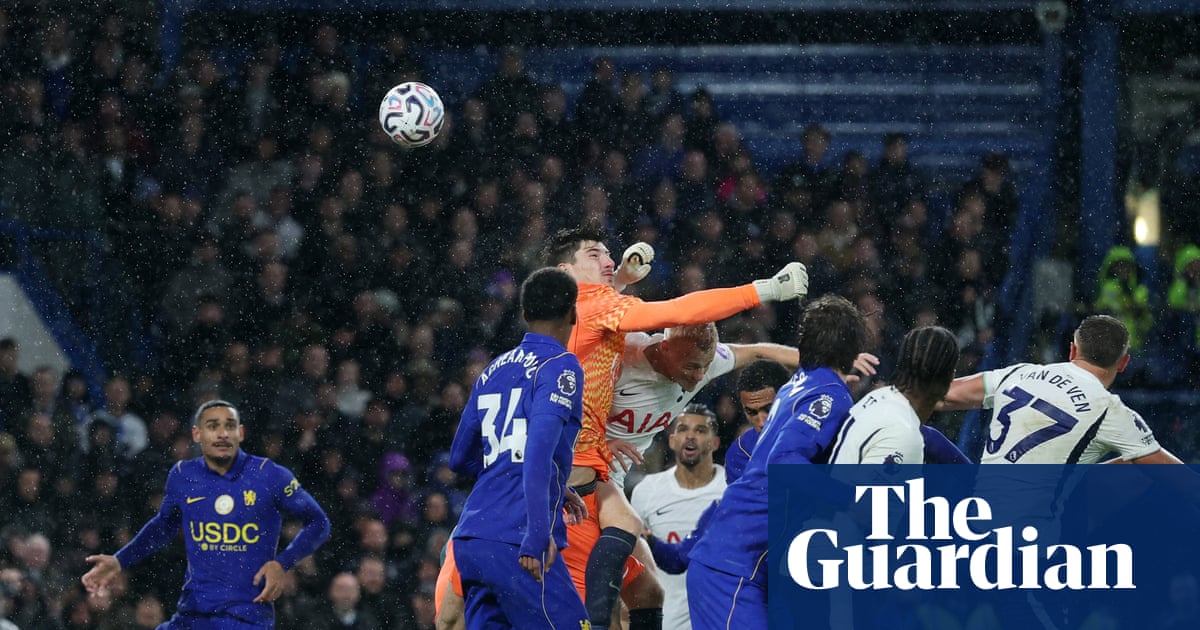
Tier 1 reporting from The Guardian's match reporting confirms Tottenham Hotspur are stuck in an operational nightmare under manager Roberto De Zerbi. Following a grim 0-0 draw against Everton on September 12, 2026, Spurs find themselves rotting in 17th place with just two points from four matches.
The statistics paint a damning picture of a modern Premier League attack in complete paralysis. Tottenham have gone four games without scoring a single goal, leading to vocal mutiny as home supporters booed the squad off the pitch.
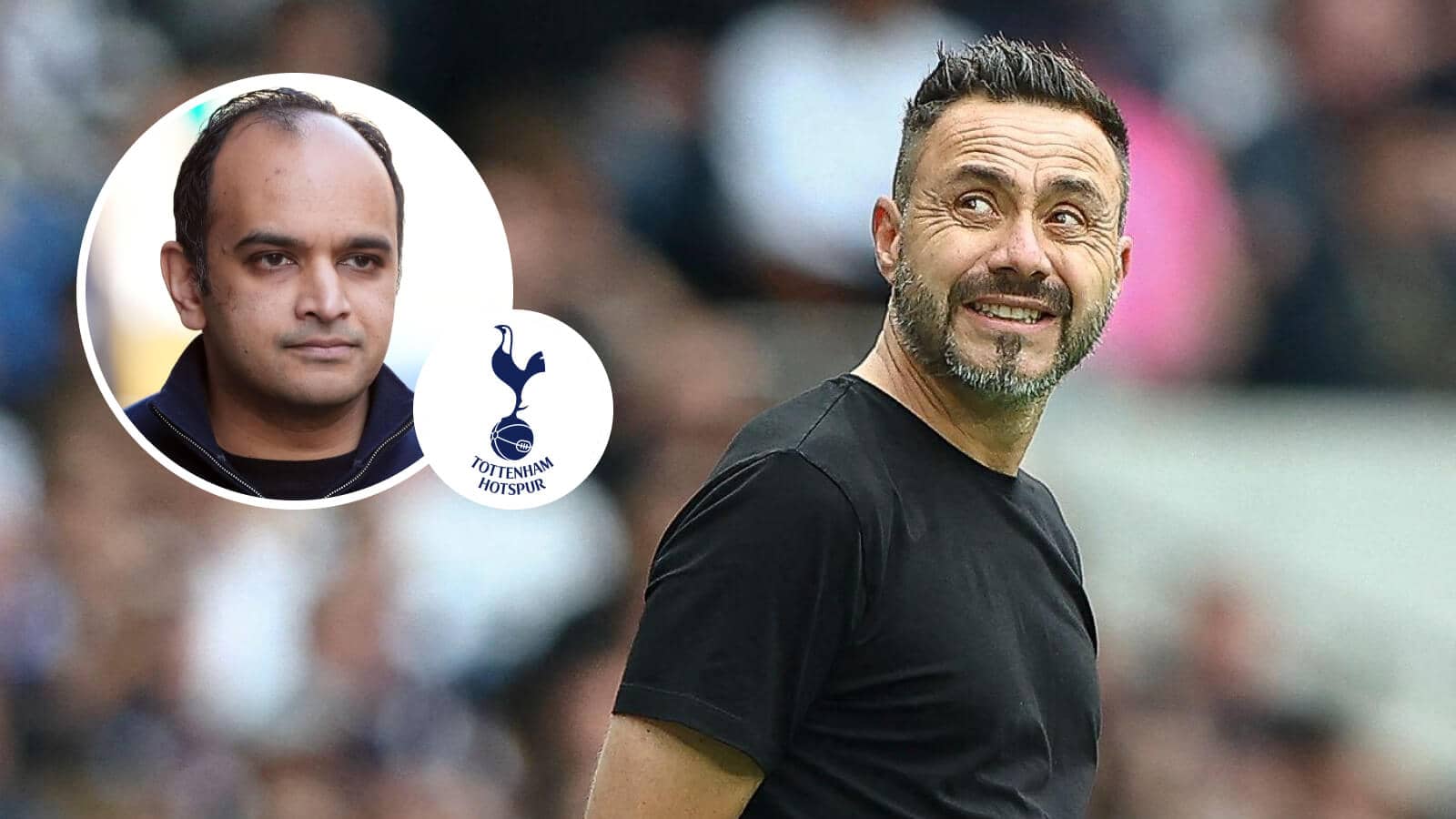
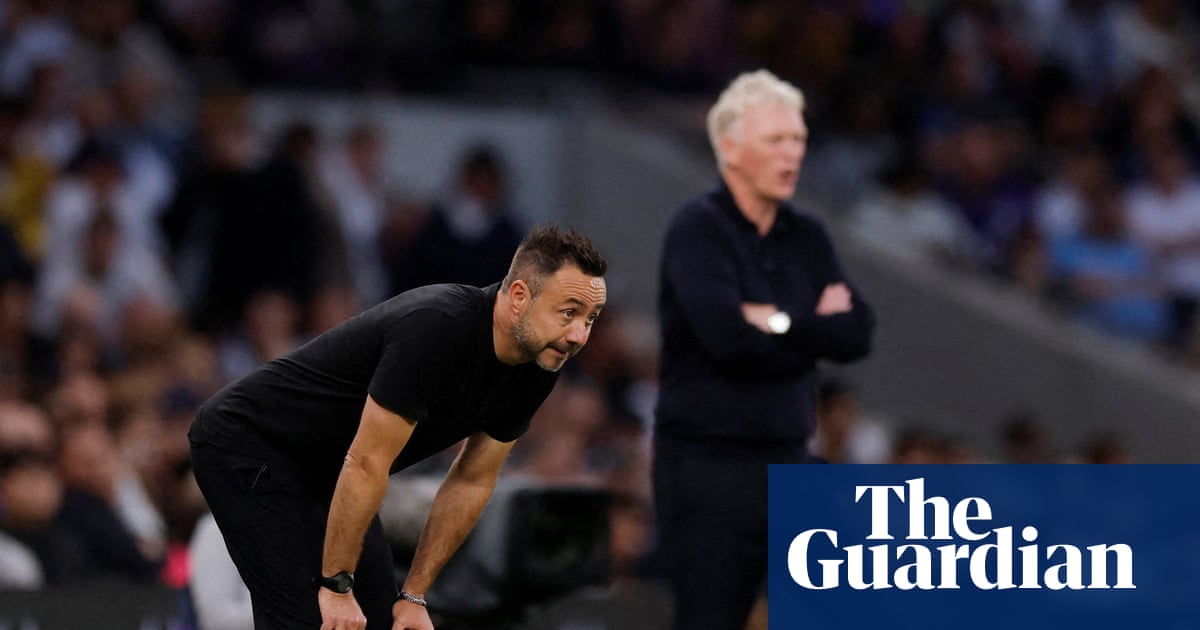
De Zerbi did not hide from the grim reality during his post-match press conference in North London. The Italian manager pointed directly to late window transfer business as a primary cause for the team's stagnant start. Both Omar Marmoush and Sávio joined Tottenham just 10 days ago, forcing De Zerbi to build tactical cohesion during live league matches.
Everton offered the blueprint for frustrating De Zerbi's undercooked frontline on Saturday. Everton's defensive block sat compact, daring Tottenham's late arrivals to break them down with intricate passing. Without pre-season sharpness, Spurs lacked the quick combination play needed to unpick low defensive lines.
That late market movement left Spurs without their full squad until two Thursdays ago. Integrating key offensive targets without a full pre-season regimen has cratered Tottenham's early season momentum.
While fans demanded immediate production, the reality on the training pitch is far more complicated. Late transfers rarely produce instant relief when physical conditioning is severely lagging. De Zerbi faces the daunting task of bedding in fresh attackers while fighting for points in an unforgiving domestic calendar.
Tactical Profile: Why Marmoush and Savio Are Struggling for Sharpness
Omar Marmoush arrived in North London earmarked as the primary explosive force meant to reshape Tottenham's frontline. His versatility across the attacking line offers De Zerbi the dynamic vertical runner his possession system demands. However, executing sharp positional interchanges requires automatic muscle memory that only weeks of repetition can build.
Sávio provides the direct wide threat designed to isolate full-backs and stretch opposition low blocks. His ability to beat defenders on the outer lane should create high-value chances inside the penalty box.
Dominic Solanke provides the physical reference point that allows dynamic runners to operate in half-spaces. When Solanke is sidelined, Marmoush is forced to play with his back to goal rather than driving at defenders. That positional mismatch strips Marmoush of his greatest strength while slowing Tottenham's transitions.
Yet De Zerbi's tactical system demands relentless physical output from its wide players and central attackers. Against Everton, Tottenham showed flashes of fluid positional play during the opening half-hour before fading drastically. The squad ran out of energy, exposing how underprepared the new signings are for 90 minutes of high-intensity football.
Pre-Season Disruption in Australia and New Zealand
The manager highlighted a severe pre-season disruption that compounded these tactical integration issues. Long-haul travel to New Zealand and Australia left several key figures nursing muscle injuries rather than gaining match sharpness. Micky van de Ven, Dominic Solanke, and James Maddison all suffered physical setbacks during the overseas tour.
Midfielder Mateus Fernandes lost 15 days of critical work in Australia due to his injury. Those missing training blocks broke the structural spine of Tottenham's squad before the campaign even began.
Without Maddison creating from central zones or Solanke leading the line at full tilt, Marmoush and Sávio are operating in isolation. They are forced to adapt to unfamiliar passing angles while fighting visible exhaustion. That tactical disconnect explains why Spurs controlled early territory against Everton but failed to generate quality shots.
Tottenham face three distinct tactical hurdles during this complex integration phase. De Zerbi must address each issue before Spurs can convert possession into consistent scoring opportunities.
- Physical deficits stemming from missed pre-season conditioning during overseas tours
- Unfamiliarity with De Zerbi's precise passing angles in the final third
- Lack of career goalscoring history among supporting squad members
Financial Framework and Executive Miscalculations
While exact transfer fees and weekly wage structures for Marmoush and Sávio remain undisclosed in official Tier 1 reports, the operational cost of Tottenham's summer strategy is already visible. Delaying major attacking acquisitions until the final days of the window handed De Zerbi an incomplete puzzle. Spurs saved time during negotiations but paid a heavy price in early league points.
Tottenham faced intense competition for top attacking targets throughout August before securing signatures late in the window. Competing clubs monitored both players, forcing Tottenham executives into protracted negotiations that dragged into September. Winning the race for signatures means little if those players miss the entire opening month of domestic competition.
Financial prudence means little when a squad fails to score across 360 consecutive minutes of competitive football. The board prioritized transfer savings over tactical readiness, leaving the coaching staff scrambling.
The Goalscoring Void Outside Marmoush and Solanke
De Zerbi offered a candid evaluation of his squad's historical goal scoring profile after the Everton stalemate. He noted that outside of Solanke and Marmoush, Tottenham's roster features very few players with proven goalscoring records across their careers. That structural flaw places immense pressure on two late arrivals to carry the entire finishing burden.
If non-forward contributors cannot chip in, opponents can easily constrain Tottenham's attacking patterns. Everton comfortably neutralized central spaces once Spurs lost their initial physical edge.
Here lies the primary failure of Tottenham's summer planning: scheduling demanding commercial tours across the globe while leaving squad assembly half-finished. Flying to Australia and New Zealand degraded the squad's physical baseline while key signings remained stuck in transfer limbo. It represents a classic executive miscalculation that directly undermined the manager's tactical launch.
The Sbloccarsi Mental Block and Impact Forecast
To explain Tottenham's ongoing drought, De Zerbi introduced a specific Italian term during his media briefing. He referred to sbloccarsi, describing a psychological block that has gripped his players after four scoreless outings. Breaking that mental barrier requires an immediate victory to restore belief across the dressing room.
"There is a word in Italian – sbloccarsi – that literally translates as if we unblock ourselves. A mental block because four games, no wins, no goals scored … it is tough for the players."
De Zerbi's post-match comments emphasized that his team possesses the intrinsic quality required to win matches once their mental condition clears. However, psychology cannot overcome physical exhaustion when players lack basic conditioning. The Italian coach admitted his group must become realistic about their current physical limitations.
"Sávio and Marmoush, they came 10 days ago. I started to work with this group not last Thursday but two Thursdays ago. So, I think we have not the right physical condition yet."
De Zerbi's tactical reputation relies on fast starts and high-scoring output from his forward lines. Starting a campaign with zero goals through four matches creates immediate media pressure that extends beyond the pitch. Resolving this psychological paralysis requires steady leadership before frustration permanently damages squad confidence.
Probability Assessment and Expected Timeline
From a transfer reporting perspective, the status of Marmoush and Sávio is set at 100% completed deal probability. However, their probability of providing immediate match-winning impact over the next two weeks remains at Medium (55%). Expecting late arrivals to solve a systemic goal drought without adequate fitness is unrealistic.
The realistic timeline for full tactical integration points toward late October 2026. Spurs will likely endure further growing pains as De Zerbi manages player workloads through upcoming league fixtures.
For Tottenham to escape 17th place, De Zerbi must redesign his final-third instructions to suit his new arrivals. During the Everton draw, Spurs collapsed physically after an impressive opening 30 minutes of high-tempo football. Extending that dominant spell from 30 minutes to 70 or 80 minutes is the essential milestone for this coaching staff.
Marmoush needs quicker service in behind opposition lines rather than receiving the ball with his back to goal. Sávio must be encouraged to shoot more frequently when space opens on the wing, taking responsibility off hesitant midfielders.
Tottenham's secondary attackers must step up to alleviate the scoring load. Players like Fernandes and Maddison need to regain match sharpness quickly to provide secondary scoring threats. If Spurs remain reliant solely on Solanke and Marmoush for goals, opposing defenses will continue to sit deep and absorb pressure.
With domestic cup fixtures and league matches piling up throughout September, De Zerbi has zero time for tactical experiments on the practice pitch. Every session must balance physical recovery with high-intensity positioning drills. The manager must navigate this congested stretch without burning out his newly arrived stars.
De Zerbi insists that improving final-third decision-making and shot volume will unlock Tottenham's potential. The raw ingredients exist within the squad, but raw talent requires physical stamina to execute under Premier League pressure.
The coming weeks will determine whether Tottenham's late window strategy was a temporary misstep or a structural failure. If Marmoush and Sávio build fitness rapidly, Spurs have the quality to climb the table swiftly. If fitness issues persist, the mental block in North London will turn into a full-blown crisis.
Read Next
- Spurs lose Mudryk while Chelsea and Liverpool face transfer fallout
- Why Barcelona dumped Marcus Rashford for Anthony Gordon makes total sense
- Why Matheus Fernandes holds the key to unlocking De Zerbi's Tottenham
- Richarlison wants out of Tottenham and he is ready to take Spurs to court
- 🇪🇬 Egypt World Cup 2026 — Salah's Last Dance
- 🏆 Europa League Final 2026 — Full Coverage Hub