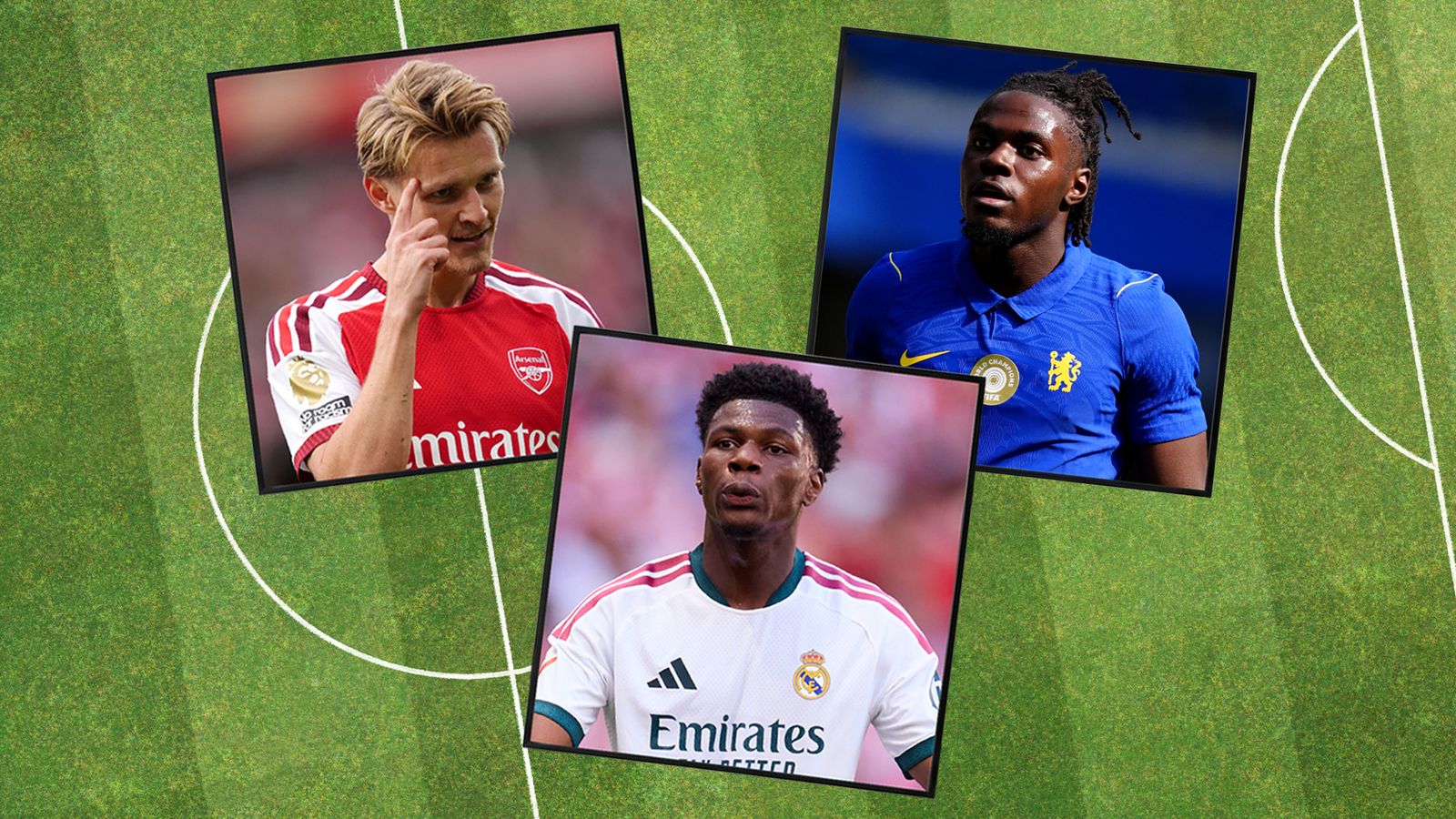
The post-World Cup market bubble
The 2026 World Cup has officially concluded. We are staring down a familiar reality where Premier League clubs return to the domestic grind with burning holes in their pockets. Historically, these post-tournament windows are the most dangerous time for a sporting director. Scouts fall in love with players based on 270 minutes of high-intensity play rather than a 38-game league sample size.
We are already seeing Manchester United, Arsenal, and Liverpool circling the usual suspects as every Premier League summer transfer move gains momentum. The problem is that valuations have decoupled from technical output. A mid-table Premier League side is now expected to pay a 40% premium on any player who featured in the quarterfinals. It is bad business, but it is standard practice in a league bloated by record-breaking television revenue.
Tactical drift in Manchester and London
Manchester United remain the most fascinating case study. They are operating from a position of relative desperation, needing to close the gap on the top two. They need a ball-playing center back and a high-volume progressive midfielder to balance their pivot. If they continue to prioritize big-name signings who lack the defensive discipline to operate in a high press, they will repeat their mistakes from previous campaigns.
Arsenal are in a different position but facing similar risks. Their chemistry relies on tactical rigidity. When they deviate to sign flashy individuals, the structure suffers. I suspect Mikel Arteta will look for a specific profile—someone who can cover lateral channels during transition—rather than a marquee forward. If they overspend on a defensive-minus player, they risk undermining the clean sheet record that kept them in the title race last year.
The Liverpool evolution conundrum
Liverpool represent the most significant uncertainty. They are transitioning into a post-Klopp era that demands a refinement of their historical high-line defense. Watching their recent recruitment strategy, it feels as if they are hedging their bets. They are targeting high-efficiency, lower-profile additions rather than repeating the massive fees seen in previous windows.
It is a mistake to assume they will revert to their peak pressing numbers immediately. Their defensive xG against rose by 0.32 per 90 last season, largely due to vertical passes cutting through their midfield line far too easily. If they don't solve that central void with a disciplined interceptor—someone who occupies space rather than chasing the ball—the personnel changes in the final third will be moot.
Why this window will end in disappointment
My prediction for this window is straightforward: most big-six signings will struggle to adjust to the physical intensity of the Premier League in their first 10 matches. We are going to see a league-wide dip in tactical cohesion early on due to the tournament fatigue carried by the core squads. Clubs that choose to hold on to their existing high-chemistry units will actually start faster than the teams making major structural changes.
There is a glaring lack of restraint in how these deals are being structured. If a club spends 70 million pounds on a winger without addressing their full-back rotation or defensive transition speed, that move will be viewed as a failure by November. Expect most of these rumored transfers to result in marginal gains rather than the squad-wide leaps fans are expecting. The smartest move this summer is the one that is never made.