The £100m benchmark
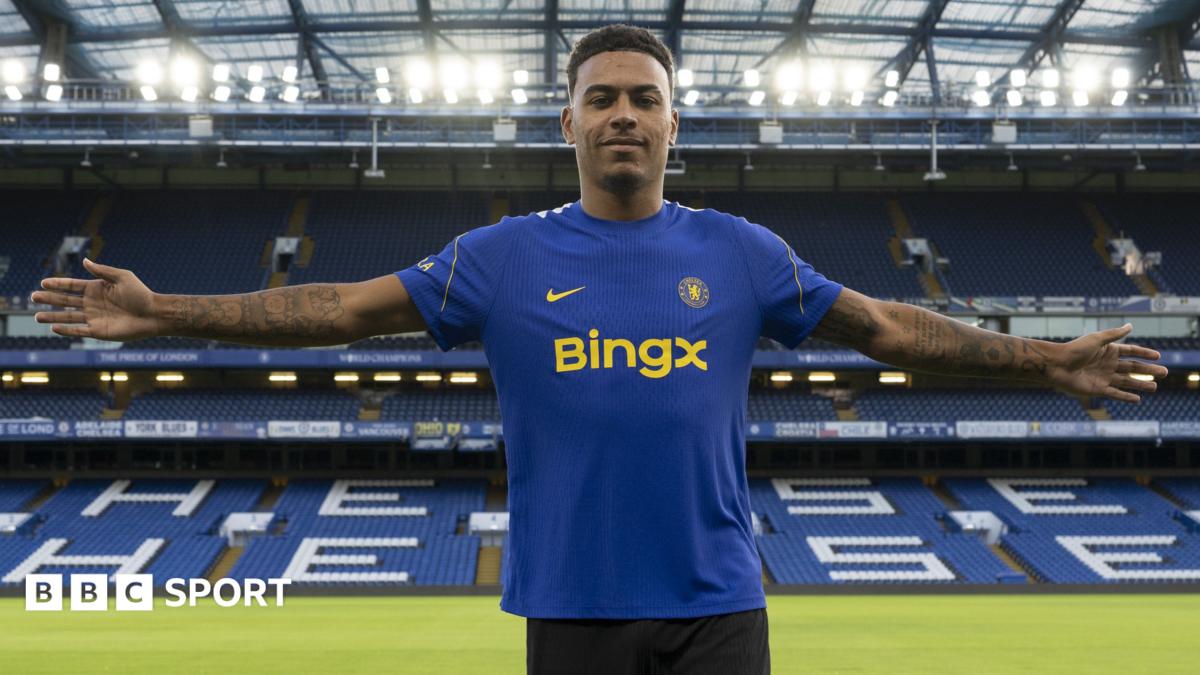
The English transfer market is entering a distorted phase where the talent pool feels increasingly shallower while the price tags trend upward. Morgan Rogers is reportedly on the verge of a move that pushes his valuation into triple-figure millions. This represents the next logical step in a market defined by hyper-inflation.
As the BBC reported, Rogers is poised to become the third player this summer to cross the £100,000,000 threshold. It is a staggering valuation for a player who occupies a specific niche in a tactical setup.
The player profile and tactical fit
Rogers acts as a volume-heavy creator who thrives in transitions. His ability to carry the ball out of pressure zones makes him a target for top-four clubs desperate for verticality. He does not sit comfortably in a possession-dominant side, though. This is where the risk factor becomes undeniable.
Watching his tape from the previous campaign reveals a tendency to lose possession in the middle third when the pass is not immediately available. If his new destination demands high-tempo control, Rogers might struggle to adapt his rhythm. Coaches often mistake physical output for technical security, a trap modern recruitment staffs frequently fall into.
Financials and the internal hierarchy
Contract lengths for deals of this magnitude are trending toward the five-year mark as standard. Agents now insist on these windows to protect against downward market movements. The wage structure will likely place him in the top tier of his new club's earners, creating a difficult dynamic in the dressing room.
History suggests that players joining on these specific contract structures often reach their peak output between seasons two and three. Paying this premium now is a bet on future development rather than current production. The board is paying for what he will become, not what currently sits on the pitch.
The competitive field
Two unnamed Champions League participants are currently vying for his signature. Both sides require a rotation option who can immediately challenge established starters. One club is eyeing a complete tactical rebuild; the other needs a plug-and-play asset to fill a void left by a recent departure.
The competition between these two rivals is what drives the fee toward such unsustainable heights. When two wealthy entities target one player, the logic of the market evaporates. It becomes a game of who will blink first on the add-ons and performance-related clauses.
The critical view
There is a glaring concern regarding the sustainability of this asset. When you pay nine digits for a player of his profile, your margin for error narrows to zero. If Rogers fails to impact the final third consistently before the winter break, fan backlash will be swift and unforgiving.
Modern recruitment departments are increasingly reliant on metrics that ignore the mental adjustment period. It is entirely possible we are watching a club overreach on a prospect who needs more seasoning. High prices do not equate to high-level game IQ, and the tactical discipline required at the elite level is rarely a transferable skill.
Probability and the end game
My assessment of the deal reaching completion stands at a 75% probability. All parties involved desire a conclusion before the beginning of the domestic campaign. The window for a meaningful bid is closing, and the selling club has already signaled a willingness to move forward.
If the move is finalized by mid-August, the expected impact hinges on his synergy with the starting striker. Should the chemistry fail to materialize in the first five fixtures, the pressure will mount. The transfer represents a bold, if expensive, gamble on tactical evolution.