The £100m benchmark for ordinary talent
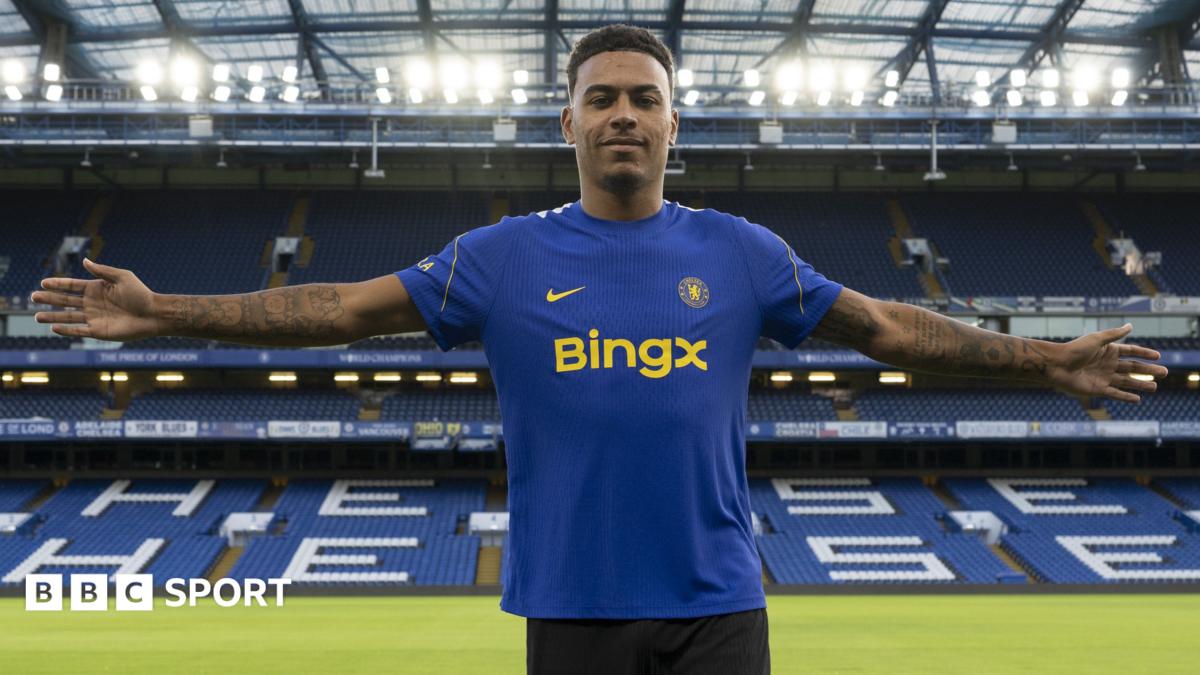
Morgan Rogers is moving, and the price tag has pushed past the £100 million mark. As noted by BBC Sport today, Rogers is set to become the third player this summer to cross this financial threshold. This shift changes the mathematics of team building.
We are no longer discussing elite, world-class players at this price point. We are talking about high-potential assets who have yet to solidify their status as top-five talents in their respective positions. The market has effectively decoupled price from performance metrics.
Tactical fit vs the cost of failure
Managers are under intense pressure to compete with state-backed budgets. This creates a desperation that selling clubs exploit with ease. When a player like Rogers is valued in such a bracket, the margin for error effectively vanishes.
Tactically, the addition brings an injection of pace and technical versatility to a mid-to-high block pressing side. Yet, the price creates an immediate target on the player's back. Fans demand output from minute one when the fee dwarfs the budget of mid-table rivals.
The math on club sustainability
Financial Fair Play regulations pushed teams into creative accounting, but the obsession with headline fees persists. Clubs are effectively locking themselves into long-term amortization schedules that restrict future moves. One bad acquisition at this price can hobble a transfer window for three seasons.
The risk profile on this specific profile of player is high. We have seen instances where inflated fees lead to tactical shoehorning, forcing players into roles they occupy poorly just to justify the investment. If Rogers cannot adapt to the increased speed of play at a top-four side, the club will experience a severe liquidity crunch.
Transfer probability and market pressures
This deal sits in Tier 2 territory for credibility based on current reporting. The talk is firm, the numbers are specific, and the market trajectory suggests this move is nearing completion. We can expect more details in the coming week.
The move is a gamble on potential rather than production. The selling side has been masterful at inflating the perceived value of an asset before closing the sale. If the deal crosses the finish line, the club will likely face scrutiny over their scouting department's reliance on 'big money' solutions over internal development.
The consequence of the mega-transfer
The impact will ripple through the league's domestic transfer market. Once a new floor is set for 'promising' young talent, agents will demand parity for every player with even a slightly comparable statistical output. This is not a sustainable model for the mid-tier of the Premier League.
If Rogers hits the ground running, the noise around the fee will die down. If he fails to provide immediate impact, the conversation will shift to mismanagement of resources. It is a binary outcome for a player entering an environment that has zero patience for a learning curve.
Teams are choosing to spend deep today rather than develop talent tomorrow. This accelerates the timeline for success but shortens the shelf-life of the management staff. The gamble is clear: win immediately or face a rebuild without the capital to fuel it.
The financial gravity of a £100m move inevitably dictates the starting lineup. It creates internal pressure that has historically dismantled locker room chemistry when the return on investment doesn't match the vanity of the headline figure. The sport is increasingly moving toward a model where the transfer window is a high-stakes poker game played with borrowed money.
Ultimately, this transaction signals a shift in priorities where the brand value of a player often outweighs the schematic necessity of the squad. Whether this pays off or ends in a loan-out saga in two years remains the central question for the buyer's board.