The Big Picture
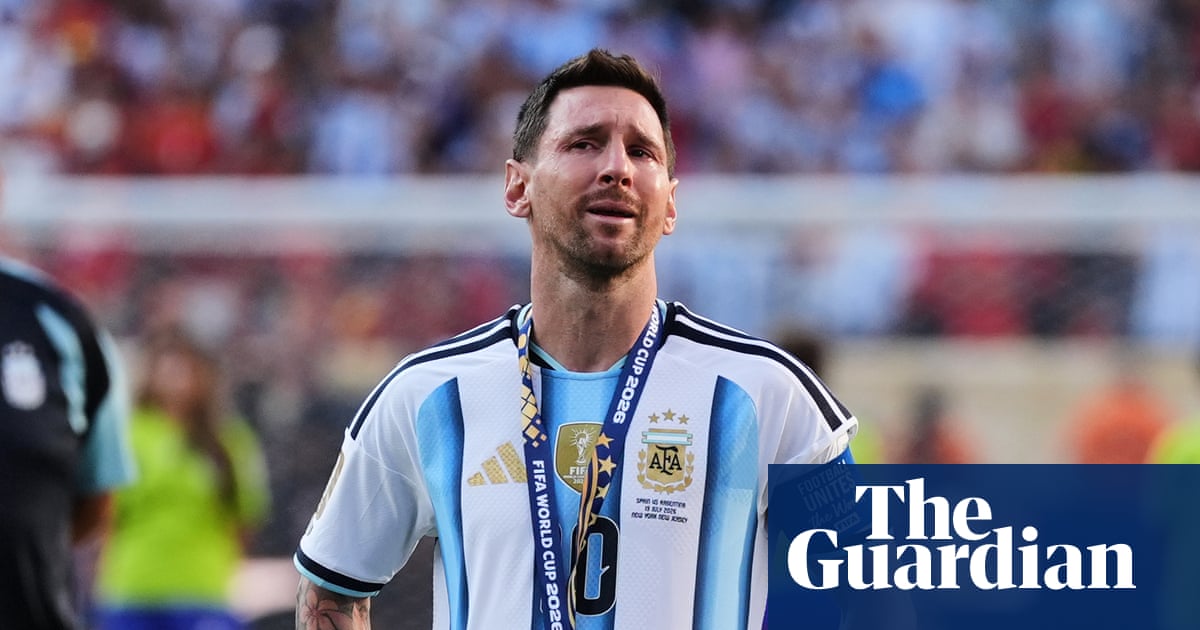
The 2026 World Cup is barely in the rearview mirror, but the European club season is already knocking on the door. For hundreds of elite international players, the traditional summer break was condensed into a brief window of recovery before flying out on grueling multi-continent pre-season tours.
With national broadcasters in the UK alone pushing out roughly 275 hours of live coverage over the tournament, the sheer volume of high-intensity football played this summer has pushed player bodies past safe operating thresholds. What fans saw on pitch during the final weeks in North America was peak athletic output, but sports science departments across Europe are now bracing for the physiological bill.
The Recovery Crunch
Medical staff across top European leagues are monitoring workload parameters with extreme caution. Standard rehabilitation protocols recommend a minimum of four weeks of complete physical and mental detachment following a major tournament. Modern tournament calendars, however, have compressed that timeline down to under three weeks for finalists.
The physiological stress of competing in high-humidity environments across North American host cities, combined with long-haul transit back to European training facilities, creates an acute risk of early-season soft tissue damage. Hamstring strain rates historically jump during August fixtures following major summer tournaments, and club medical personnel are actively managing daily training loads to mitigate soft-tissue tears before competitive matches begin.
Tactical and Financial Fallout
Managers are forced into immediate rotation tactics before the domestic campaign even kicks off. Squad depth will be tested from opening weekend, forcing young prospects and secondary options into starting lineups while key starters undergo staggered conditioning programs. For managers building around high-pressing tactical frameworks, losing weeks of pre-season tactical work with primary starting XI players severely delays system integration.
The financial implications for elite clubs are equally stark. Key assets entering the final year of contracts or representing major market values risk long-term structural wear if pushed too early in August. Squad management over the next six weeks will not be about tactical innovation; it will be about load management and basic survival.
Historical Parallels
We have seen this film before. Following extended tournament calendars in recent cycles, teams heavily reliant on international starters suffered significant autumn drop-offs in domestic performance. Soft tissue injuries spiked during September and October, directly leading to dropped points in both domestic leagues and European group stages.
Clubs that failed to enforce mandatory rest periods past pre-season obligations paid the price in November with chronic muscle fatigue and extended lay-offs. The pattern is well-documented, yet the calendar pressure remains unyielding.
Read Next
- Manchester United hit with fresh pre-season blow after Rosenborg setback
- Liverpool medical room update: Pre-season squad fitness and transfer market toll
- The 2026 World Cup is a total dumpster fire
- England’s 2026 World Cup run is going to end in familiar heartbreak
- 🏆 World Cup 2026 — Full Coverage Hub