Craven Cottage Collapse Highlights Major Physical Deficits
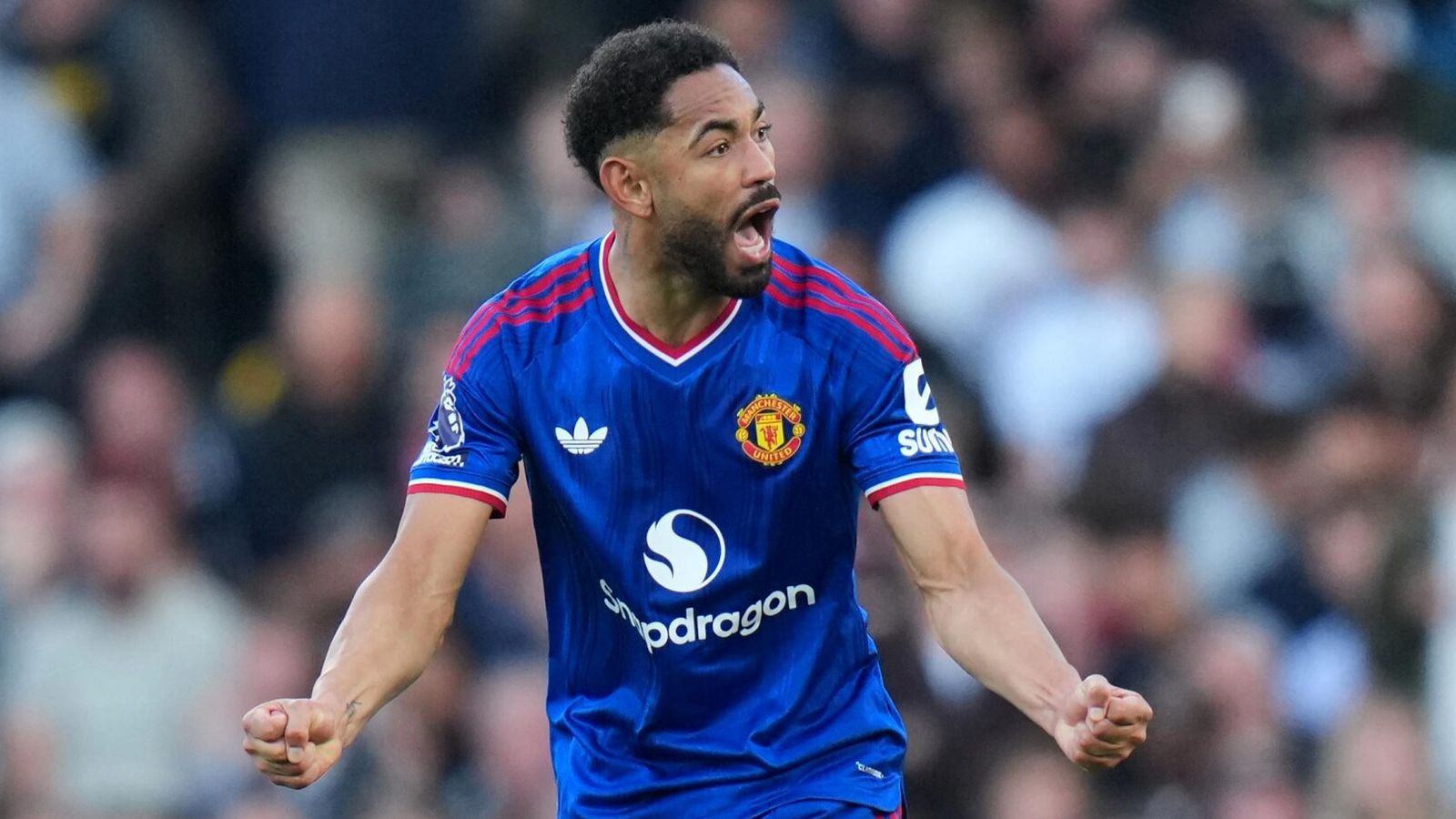
Manchester United stumbled to a frantic 1-1 draw against Fulham at Craven Cottage on Sunday afternoon, saved only by a late deflected strike from Matheus Cunha after Lisandro Martinez put the ball into his own net. The result leaves United with just five points from their opening five Premier League matches of the 2026-27 campaign.
That five-point tally matches United's joint-fewest points total at this stage of a Premier League season in club history, equaling the low set during the 2014-15 season. Behind the alarming league position lies an even more concerning physical reality: a team that looked completely spent without the ball for long spells in west London.
Former United defender Gary Neville delivered a scathing critique of the team's physical performance during Sky Sports co-commentary. He singled out the opening quarter-hour of the second half as an absolute breakdown in work rate, urgency, and defensive intensity.
"I've never seen a Man Utd team walk out of possession as much as that. Michael has just said there was nothing wrong with the team's energy. Michael has got to stop defending them."
Neville went so far as to call United's post-interval performance "the worst 15 minutes I have ever seen Manchester United play." He condemned the players for acting like "mannequins" while Fulham comfortably moved possession through central areas.
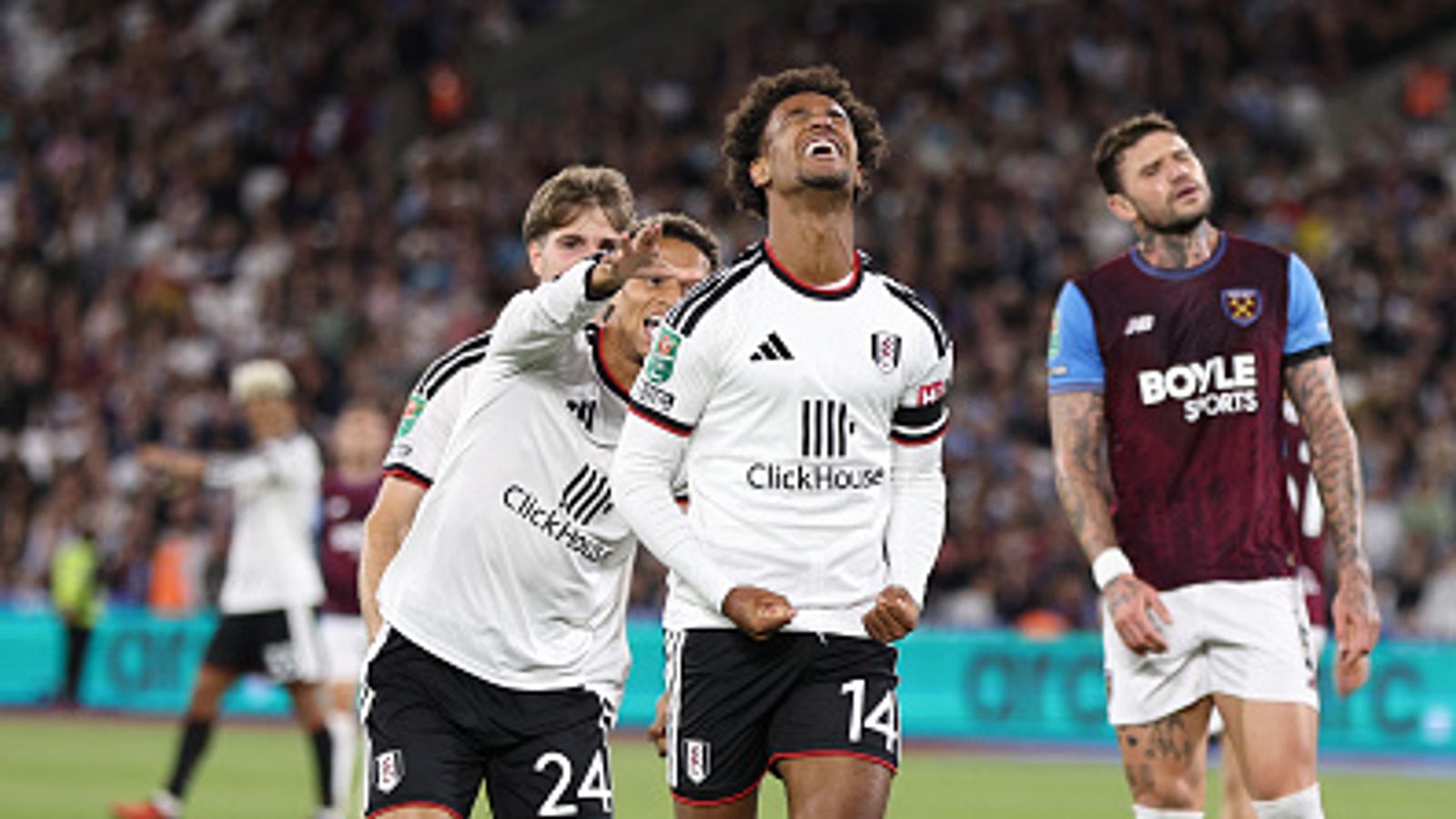
The lack of physical application was clear right from kickoff. Fulham recorded 46 passes in the opening two minutes before taking their first shot, setting a passive tone that plagued United all afternoon.
Midfield Workload and Tracking Mechanics Breakdown
The root of United's physical breakdown stems from a severe structural disconnect between their midfield double pivot and the attacking front five. Manager Michael Carrick paired Youri Tielemans and Kobbie Mainoo in central midfield, but both players lacked the dynamic mobility required to cover open space when possession flipped.
Tielemans and Mainoo operate at a measured, one-paced tempo during defensive transitions. When opposition teams bypass United's initial pressing line, neither midfielder possesses the raw recovery speed needed to shut down passing lanes quickly.
That mobility deficit becomes fatal when wide attackers fail to perform their defensive tracking duties. Bryan Mbeumo and Marcus Rashford remained positioned high and wide throughout the match, refusing to narrow back into defensive channels to support full-backs.
Without tracking help from the flanks, United's central midfielders were forced to cover massive zones across the pitch. That overwhelming workload left the backline exposed, retreating constantly toward their own penalty box under relentless Fulham pressure.
Adding to the imbalance, Bruno Fernandes and Matheus Cunha spent much of the match floating freely across the final third. While creative freedom benefits on-ball play, it leaves United completely vacant in central recovery zones during turnover transitions.
Neville highlighted this tactical dilemma, noting Carrick deployed five or six players who thrive with the ball but offer minimal defensive output without it. That structural flaw forces an unsustainable physical burden onto the defensive four.
The physical strain on the backline eventually triggered the opener. Lisandro Martinez was forced into desperate recovery positioning multiple times before slicing a low Fulham cross past his own goalkeeper in the second half.
United eventually found an equalizer when Cunha's late effort took a major deflection into the net. However, the goal merely masked a performance defined by passive off-ball walking and poor spatial coverage.
Carrick's Public Shield vs Locker Room Realities
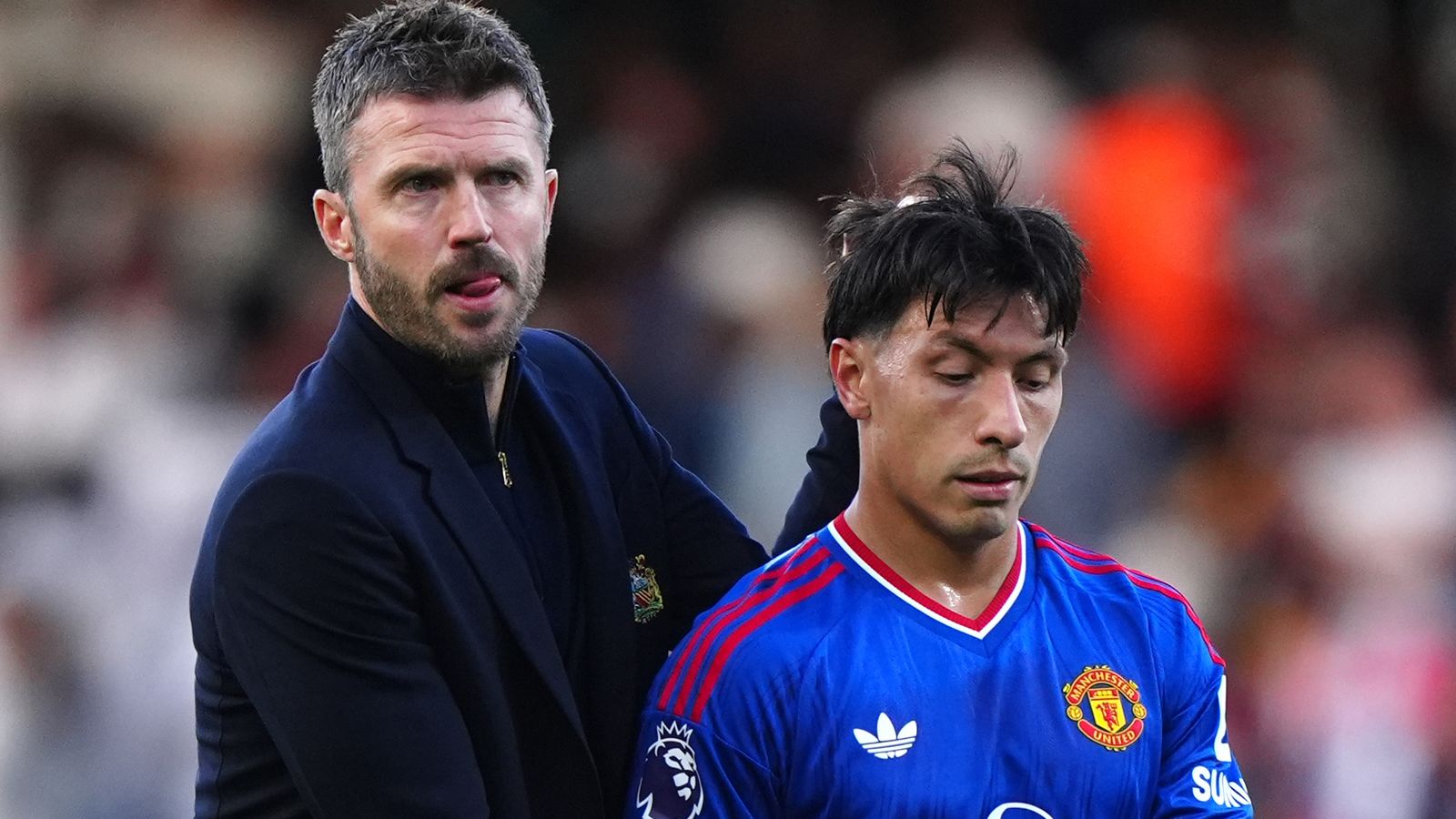
In his post-match media interviews, Carrick strongly rejected claims that his side lacked energy or acted passively. He pointed to stretches of first-half possession control and insisted United showed genuine character to fight back for a point.
Carrick argued that Fulham's goal resulted from deflections and a potential foul on Cunha during the build-up. He stated that expecting total dominance across ninety minutes in the Premier League is unrealistic for any group of players.
However, Cunha offered a starkly different evaluation of United's physical display when speaking directly to Sky Sports after the final whistle. The Brazilian forward admitted Fulham brought far more energy to the pitch than United could match.
"They put in more energy than us, we cannot accept this. We need to do our best. We need to improve in every single position."
Cunha stressed that United cannot accept playing for single points or relying on late deflections. While pointing out that United recovered from a similarly noisy start last season to finish third, his candid comments highlighted serious frustration inside the dressing room.
The physical context surrounding this slump spans the past two weeks. United suffered a painful derby loss to Manchester City on September 13, followed by a dismal third-round Carabao Cup exit against Brighton.
That sequence of matches revealed clear fatigue patterns and conditioning gaps across Carrick's squad. Players who excel in possession are repeatedly failing to meet basic physical requirements when defending without the ball.
The International Break Reset and Tactical Survival
The arrival of the international break gives Carrick and his conditioning staff a vital fortnight to address physical workload and defensive discipline. With domestic fixtures paused, United must overhaul their off-ball transition mechanics before season goals slip out of reach.
Personnel changes in midfield look mandatory if United want to fix their physical balance. Neville suggested that summer signing Carlos Baleba could soon step into central midfield, offering high-intensity running and ball-winning power to support Tielemans and Mainoo.
Carrick's decision to defend his squad publicly may protect player morale in the short term, but it risks enabling persistent laziness on the pitch. Continuing to shield players who walk during transitions will only deepen United's tactical flaws.
Historical precedents show how dangerous slow starts can be. The 2014-15 United side that opened with five points from five games spent months rebuilding consistency and tactical identity before securing a top-four spot.
If Carrick hopes to avoid a prolonged crisis, he must demand immediate physical accountability from his attacking stars. United cannot afford to enter the autumn schedule with half a team walking while opponents outwork them across ninety minutes.