The Italian federation makes a high-stakes play
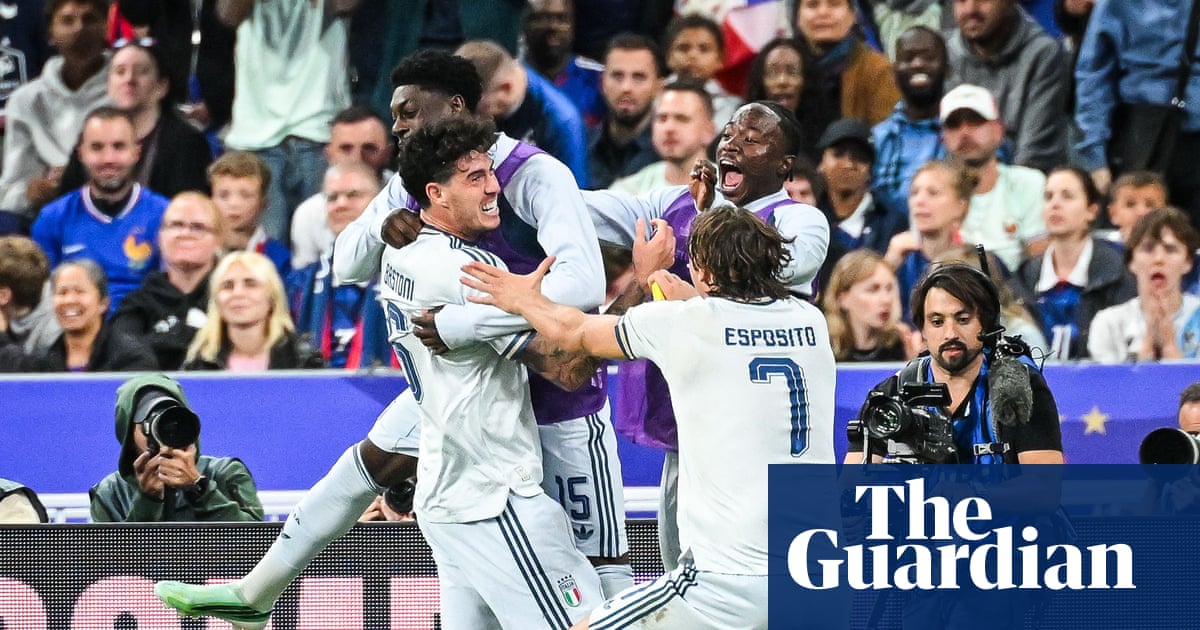
The Italian Football Federation is formalizing its pursuit of Pep Guardiola to take charge of the national team. Sources confirm that high-level discussions are underway between federation leadership and the Catalan coach. Guardiola is currently unattached following his departure from Manchester City this past May, closing a ten-year spell in England that yielded 20 trophies.
Bringing a coach of Guardiola’s profile to international football represents a massive shift in strategy for Italian authorities. His tactical mastery defined an era of English football, yet the transition to a national team presents a unique set of challenges. Guardiola is famously accustomed to daily training sessions and specific squad building, resources rarely available to international managers.
Tactical clashes and historical baggage
Critics point to the potential friction between Guardiola’s possession-heavy philosophy and the traditionally pragmatic Italian defensive identity. Implementing a high-press system at the international level requires significant time on the pitch, which is at a premium during condensed qualification windows. If the federation wants to move away from current tactical rigidity, this is their singular opportunity to reset.
However, the skepticism remains regarding his long-term commitment. Guardiola has spent the better part of two decades in elite club environments where absolute control over the roster is inherent. Managing a rotating squad of players based on form and availability might prove a jarring adjustment for a figure who prefers complete immersion in club operations.
The infrastructure of the deal
Financial parameters are currently being negotiated, though early reports suggest figures that would place him at the peak of international coaching wages. The federation views this as a branding exercise as much as a tactical pivot, aiming to modernize their approach before the next cycle. They are essentially banking on the idea that Pep’s presence will pull the entire national setup into a more progressive era.
Logistically, the timeline is tight. The federation wants a definitive answer before the autumn international window commences. If the deal hits a wall, the backup list is largely comprised of traditional Serie A stalwarts, a move that would signal a return to the status quo rather than the revolution currently being auditioned.
Secondary market moves
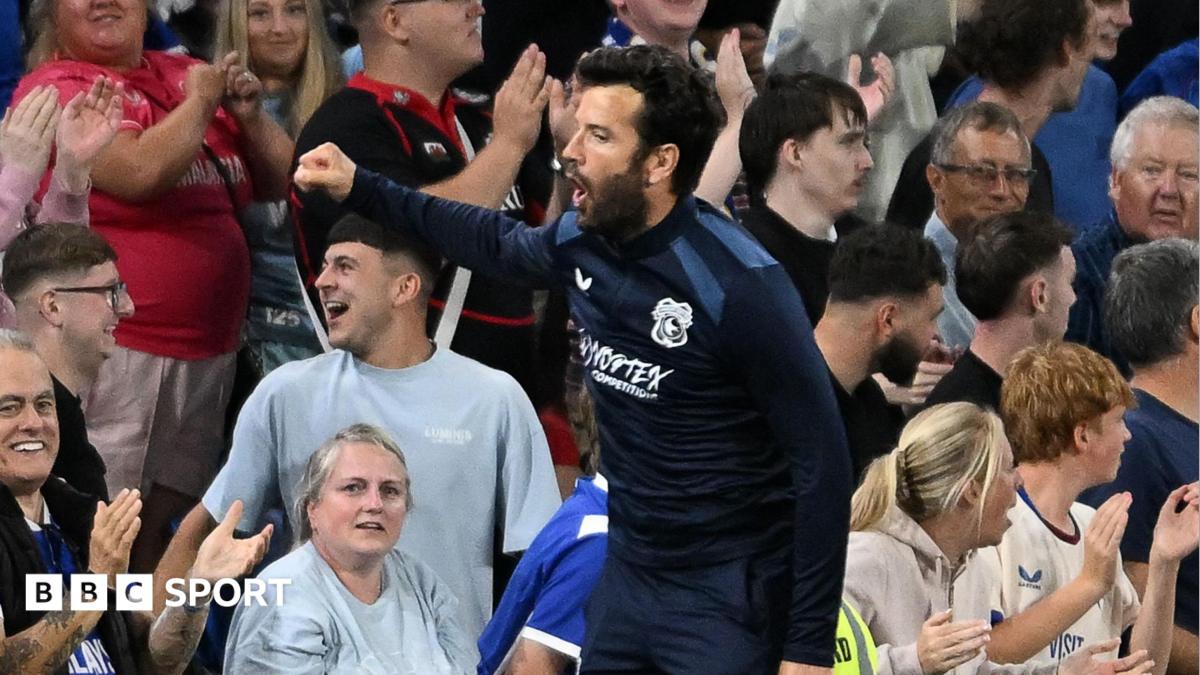
While the federation chases a headline name, smaller clubs continue their own busy windows. Cardiff City is nearing a £7.8m capture of Jens Hjerto-Dahl, a move TeamTalk reports as reaching a critical stage. Rangers were in the mix for the midfielder but appear to be losing ground to the Welsh side.
Nottingham Forest is also active, with talks progressing for Sporting defender Ousmane Diomande. Forest needs significant reinforcement at the back to survive the rigors of the top flight, and Diomande represents a high-ceiling prospect who could stabilize their defensive line. The speed of these deals reflects a broader trend of mid-table and championship clubs trying to secure targets before price tags inflate in August.
The probability of the marquee move
The probability of a Guardiola appointment is currently sitting at low-to-medium. The sheer variance between club and international football makes this a difficult profile match. Despite official interest, history shows Pep prefers the daily grind of the training ground over the sporadic nature of international tournament football.
If the deal crosses the finish line, the impact will be seismic. It would force every other major European nation to rethink their coaching strategy, effectively turning Italy into the most scrutinized project on the continent. Should he decline, we will likely see a rapid retreat to established, more conservative candidates who understand the specific demands of the Italian press and the current player pool.
Ultimately, this is a gamble for both parties. The federation is betting their budget on a nameplate that guarantees visibility, while Guardiola risks his reputation on a project that offers him far less control than he enjoyed at City. Given the rigid nature of Italian football governance, the probability of internal friction remains the primary obstacle to a successful tenure.
Read Next
- Arsenal's transfer scramble intensifies after Morgan Rogers misses out
- Arsenal's transfer window frustration grows as medical targets shift
- Arsenal are playing Russian roulette with their transfer window
- Arsenal’s aggressive transfer overhaul faces high-stakes financial pressure
- 🇮🇹 Italy at the 2026 World Cup — Full Coverage Hub