The Rogers ripple effect
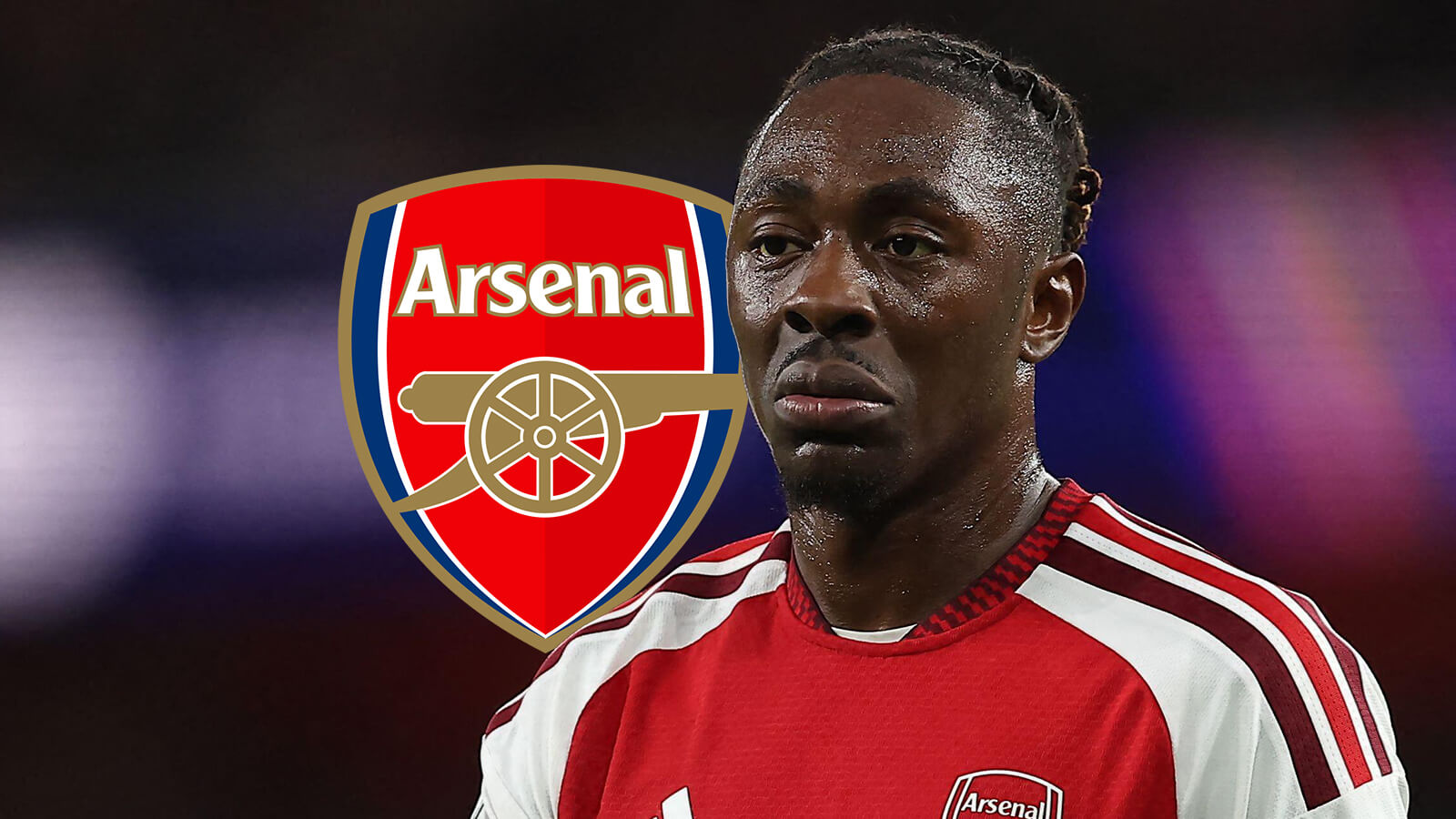
Arsenal are back at the drawing board after failing to land Morgan Rogers. The forward opted for a move to Chelsea this window, forcing Mikel Arteta to pivot. Recruitment teams are now recalibrating their board to address the gaps in the attacking third.
The club had identified Rogers as a primary target to bolster their depth in high-stakes matches. His decision to move to Stamford Bridge leaves a notable hole in Arsenal’s depth chart. With the season nearing full swing, the speed of their return to the market is a point of concern for fans observing the club’s recent transfer activity.
Bradley Barcola edges closer to the spotlight
Attention has shifted immediately to Bradley Barcola. Arsenal retain a firm interest in the Paris Saint-Germain forward as they look to replace the production lost in the Rogers pursuit. Discussions are categorized as preliminary but ongoing.
Barcola’s profile fits the technical requirement Arteta demands for his wingers. He offers the acceleration needed to stretch defensive lines and has shown comfort in transition. However, prying him away from a starting role in Paris will require a significant financial commitment. The current offer strategy is being evaluated internally.
Tactical friction and squad balance
There is a growing restlessness among supporters regarding the pace of these specific acquisitions. While the recruitment department emphasizes long-term value, the lack of immediate reinforcement in the final third threatens to impact early-season momentum. This isn't just about raw numbers; it is about having players who can execute the press consistently for 90 minutes.
The historical precedent for these maneuvers is uneven. Previous windows have seen Arsenal wait until the final days, only to settle for secondary options. This pattern of delay has often left the squad undersized when competing on multiple fronts simultaneously. The decision to prioritize a特定の type of forward was clear, yet the execution failed to secure the player’s signature.
Pressure on the recruitment hierarchy
Internal scrutiny is increasing regarding the failure to finalize the deal for Rogers. Chelsea managed to out-maneuver the Arsenal front office by presenting a more aggressive financial structure early in the negotiation period. This reflects a broader issue with how the club navigates direct competition for key targets.
Recruitment lead Edu Gaspar faces pressure to deliver a concrete alternative before the window shuts. The margin for error is razor-thin given the competitive nature of the league. If the staff does not secure an upgrade to the attacking rotation, the burden will fall squarely on existing personnel to over-perform for the duration of the campaign.
Budgetary constraints vs. on-pitch aspirations
Financial fair play regulations remain a constant specter hanging over these negotiations. Arsenal’s current wage-to-turnover ratio suggests that offloading fringe players is necessary before they can finalize a major arrival. This creates a binary scenario: either a quick sale of surplus talent or a stagnation in recruitment.
The secondary market offers limited solutions that align with the specific tactical requirements of the team. Settling for a stop-gap signing would be viewed as an indictment of the current strategy. Fans expect upgrades in the starting 11, not depth pieces who are unlikely to see the pitch until winter fixture congestion begins.
The upcoming window of opportunity
Arsenal’s front office has exactly 39 days to resolve these outstanding issues. The timeline is punishing for a team that has already missed out on its first target. Every day without a new face is a day of integration lost, crucial for a high-octane system that relies on precise movement patterns.
The dependency on the existing front three without adequate rotation will lead to fatigue. If a key player suffers a setback, the lack of depth will be exposed immediately. The plan to secure Barcola is the only viable path to quiet the growing skepticism surrounding the summer strategy.
We have seen these recruitment cycles become stagnant before. History shows that waiting for the perfect profile often results in panic-buying at inflated prices. The hope is that the lessons of previous windows have steered the decision-making process toward a swift conclusion rather than a drawn-out standoff that benefits no one.
The pressure is now on to turn interest into an official announcement. As reports confirm, the club is not walking away without a fight, but engagement is not the same as a completed contract. The next week will define the ceiling of their competitive potential for this season.
Read Next
- Arsenal's transfer window frustration grows as medical targets shift
- Arsenal are playing Russian roulette with their transfer window
- Arsenal’s aggressive transfer overhaul faces high-stakes financial pressure
- Arsenal's summer overhaul: Guimaraes pursuit, Alvarez swap, and exit rumors
- ⭐ UCL 2026 — Champions League Quarter-Finals Hub