The chase after the Morgan Rogers miss
Arsenal is currently navigating a period of intense roster flux following their inability to secure Morgan Rogers. The winger, who was slated to be a primary attacking outlet, officially committed his future to Chelsea earlier this month. This departure from their transfer blueprint has forced the recruitment department to recalibrate their targets for July and August.
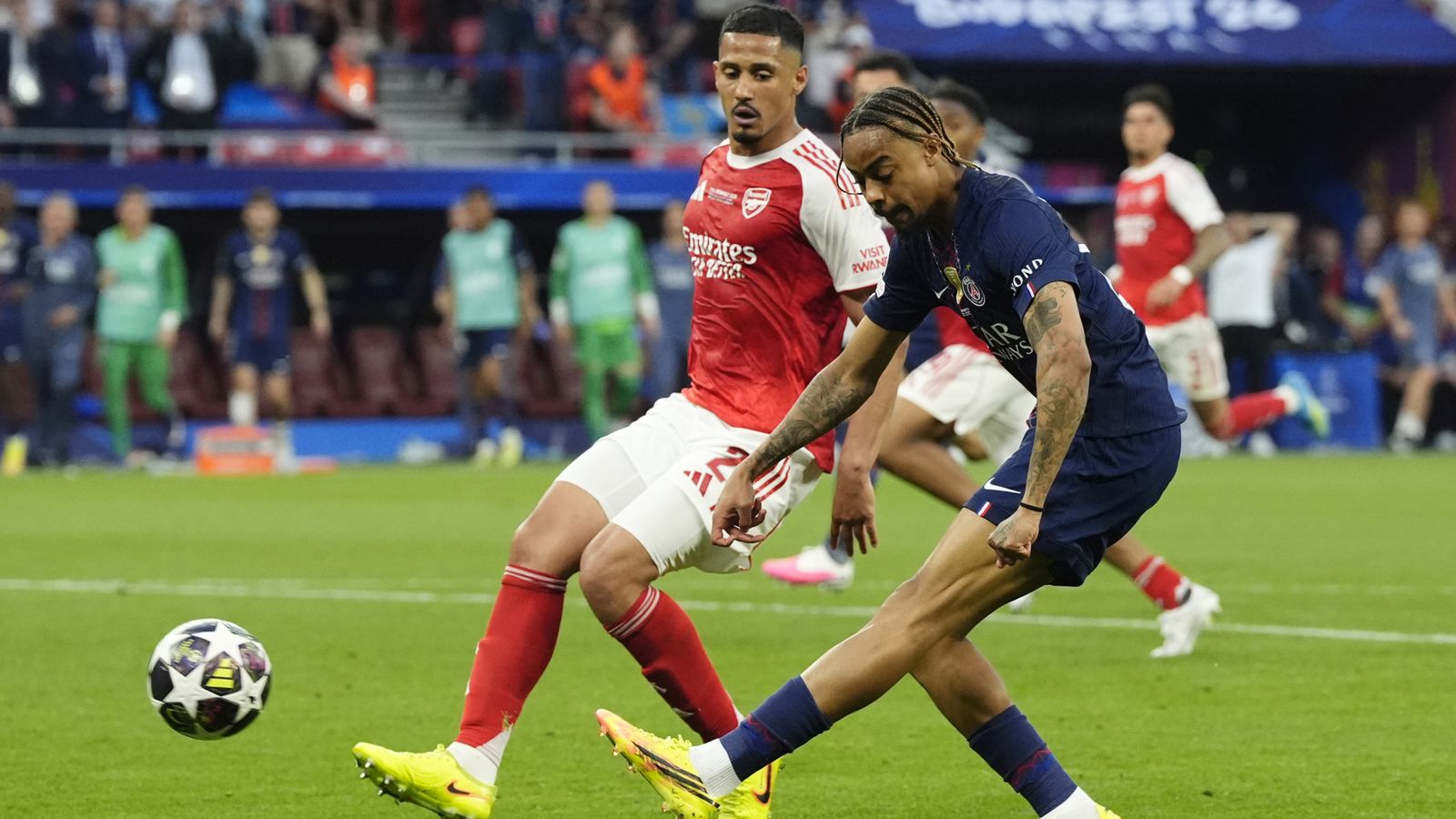
Bradley Barcola has re-emerged as a figure of interest at the Emirates Stadium. According to reporting from Sky Sports, scouts are currently evaluating the Paris Saint-Germain forward to determine if his physical profile fits the requirements of the high-tempo system Mikel Arteta has implemented for the upcoming campaign. The club is conducting internal assessments to ensure any new addition will be durable enough to withstand the rigors of the modern game.
Evaluating the physical load
The transition toward higher physical demand has changed how teams view recruitment. It is no longer just about offensive output in the final third. Clubs now analyze durability metrics with the same intensity as pass completion rates. If a player lacks the ability to sustain intense sprinting bouts over ninety minutes, they are frequently passed over during the evaluation phase.
Historical context suggests this caution is warranted. Teams that ignore medical red flags early in the window consistently suffer in the winter months. Arsenal’s current strategy focuses on mitigating injury risk by prioritizing targets who have maintained high mileage in domestic leagues over the previous three years. They are aiming to avoid the mid-season fatigue that plagued their squad during the 2025 campaign.
The strategic implications of missing targets
Missing out on Rogers was an objective failure for the recruitment department's primary objective setting. While fans view it as a simple loss, the internal impact is more layered. It impacts the salary structure and the allocation of the overall budget, as top-tier targets often create a domino effect on potential defensive acquisitions.
The club now finds itself in a reactive position. While they retain significant capital, the number of available wingers with similar intensity metrics to Rogers is limited. The medical staff is reportedly lobbying for the recruitment team to prioritize players with established records of appearing in at least 35 matches per season. This threshold is considered essential to maintaining consistent tactical output.
Looking toward the season opener
With the opening fixtures approaching, time is moving fast. Every week spent negotiating rather than integrating players into the training routine creates a competitive disadvantage. The squad needs at least three weeks of high-intensity internal matches to properly calibrate for the Premier League pace.
There is a critique to be made regarding the timing of these negotiations. Arsenal should have secured alternative targets concurrently with their primary pursuit of Rogers. Relying on a linear negotiation process in 2026 is risky when other major rivals are closing deals with more efficiency. If they do not finalize an offensive reinforcement before the friendly schedule begins, it will create a logistical bottleneck during August training.
The goal remains constant: optimize the physical health of the starting eleven to win 85 points. Anything less will be deemed a failure by the standards set by the ownership earlier this summer. The focus must remain on identifying talent that can survive the transition speed of the modern league, as current trends show that technical skill alone is rarely enough when the physical threshold is not met.
- Assess the medical records of potential targets vs. league average
- Calculate the total sprint distance of the target in the 2025 season
- Ensure the integration timeline allows for 21 days of pre-season work
The market is fluid, but the window will slam shut before the club realizes. They must finalize the short-list by next Tuesday to ensure the medical department has sufficient time for testing. Failure to do so will result in an underpowered squad that can be punished by better-prepared opponents in the opening month.
Read Next
- Arsenal are playing Russian roulette with their transfer window
- Arsenal’s aggressive transfer overhaul faces high-stakes financial pressure
- Arsenal's summer overhaul: Guimaraes pursuit, Alvarez swap, and exit rumors
- Why Newcastle must play hardball with Bruno Guimarães
- ⭐ UCL 2026 — Champions League Quarter-Finals Hub