The financial architecture behind a new fortress
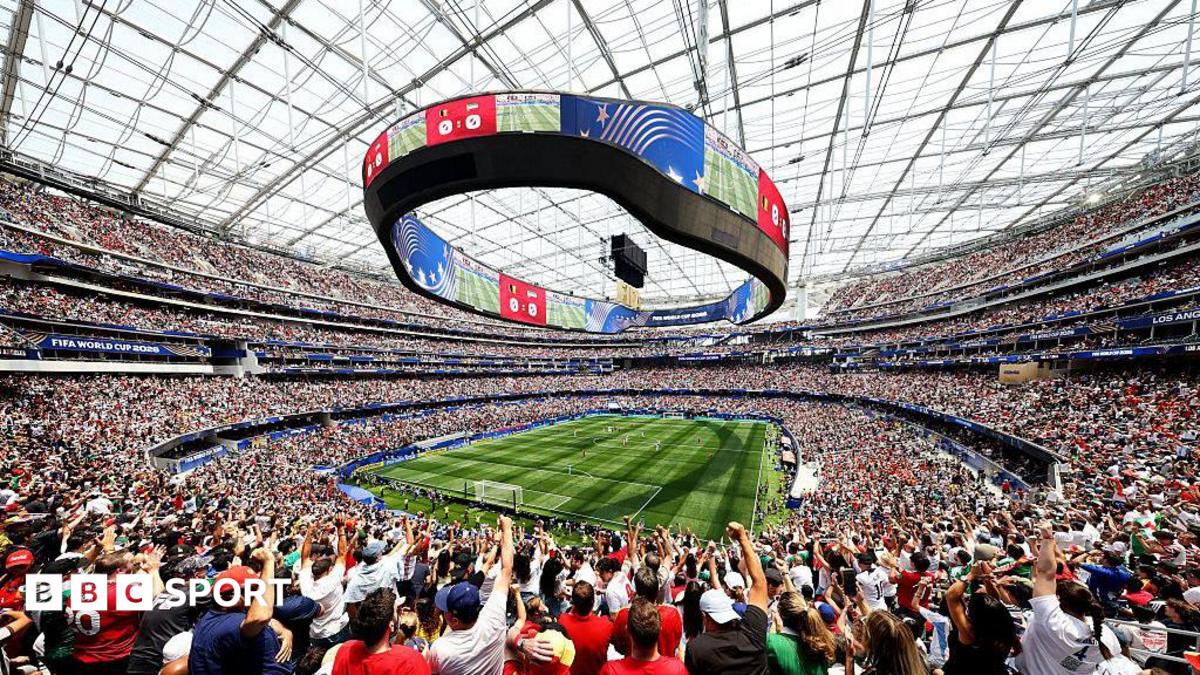
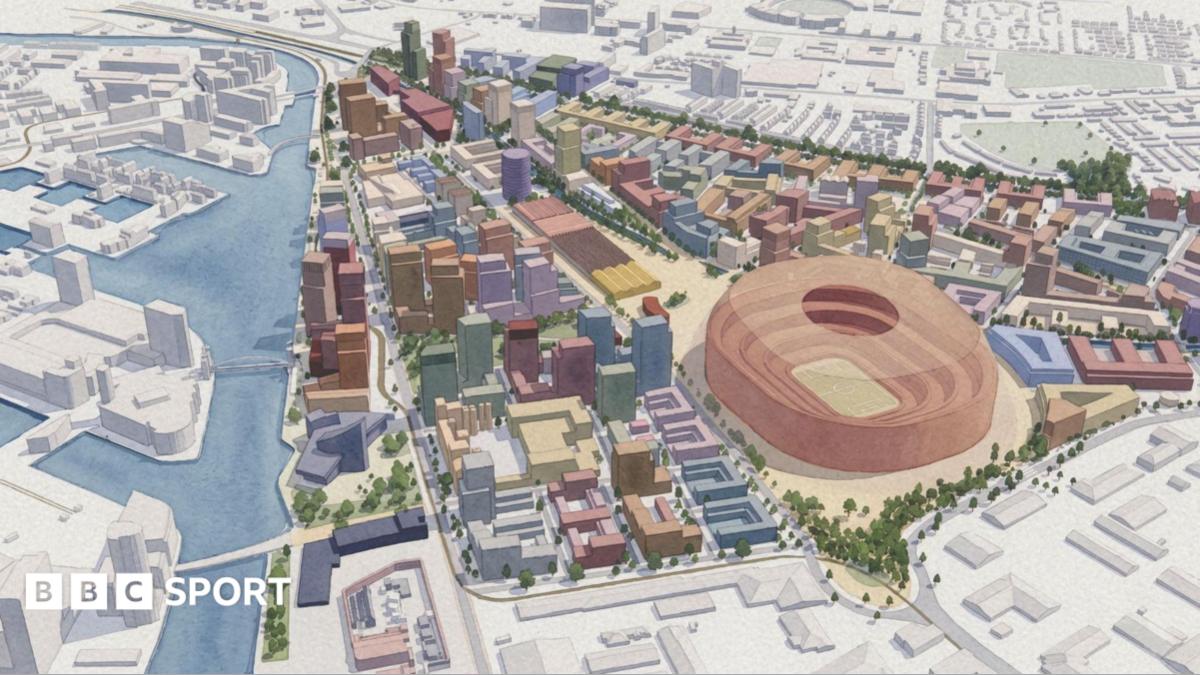
Manchester United is betting their future on a staggering £2bn investment. The club remains determined to navigate the path toward a new-build stadium while avoiding the fiscal traps that have haunted other Premier League giants.
Reports indicate the hierarchy is currently weighing the inevitability of a naming rights deal. It is a pragmatic shift, prioritizing what the board characterizes as sanity over vanity. There is little room for romanticism when the bill reaches that high.
Tactical implications of a stadium overhaul
Constructing an entirely new arena is not merely an exercise in property development. It fundamentally changes the match-day atmosphere and the gravitational pull of the club's revenue streams. As the BBC recently detailed, the board is acutely aware that the existing Old Trafford site has become a logistical anchor.
Critics point to the potential loss of brand identity in selling naming rights. However, the club clearly views this as a necessary hurdle to stabilize their long-term position. Relying on organic growth alone has consistently failed to close the gap on their rivals.
The burden of expectation
Maintaining a competitive first team while financing an infrastructure project of this scale is a massive tightrope walk. Other clubs have withered under the weight of such debt-laden projects. United’s management must ensure their recruitment strategy does not suffer as capital is diverted to construction.
The current market for stadium sponsorship is inflated, but the club possesses a global footprint that few can replicate. If they secure an annual influx exceeding £50m, the sting of renaming a historic site will be mitigated by the financial flexibility it grants the squad.
My prediction remains firm: United will finalize a naming rights partner before ground breaks. Realism defines this ownership group, and they will trade the purity of a traditional name for the capital required to compete with elite continental sides. Do not expect them to blink on this decision when the planning phase concludes.