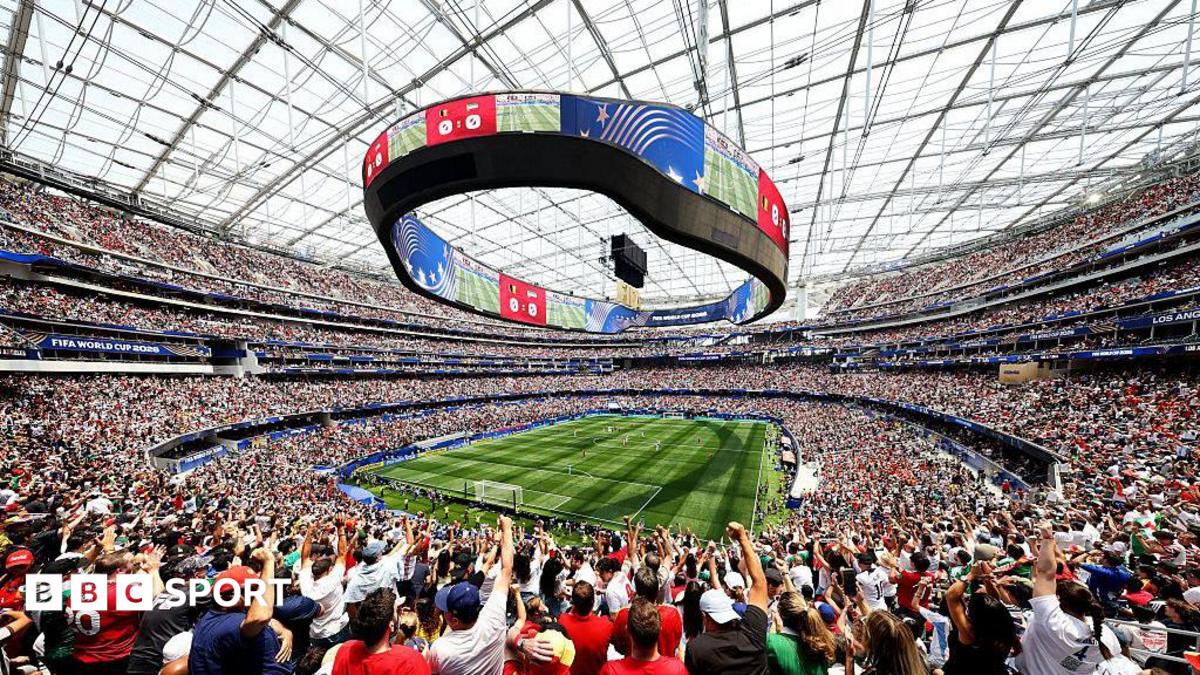
Estadio Azteca is still the undisputed king
If you listened to the consultants, every single stadium at this tournament is a gleaming monument to human achievement. They talk about sightlines and luxury suites like they’re discussing the Sistine Chapel. Most of these places have the personality of a suburban mall parking lot on a Tuesday afternoon.
But then you walk into Estadio Azteca in Mexico City. It’s loud, it’s chaotic, and it feels like the air is actually vibrating against your skin. While modern venues try to manufacture an atmosphere with overpriced LED light shows, the Azteca has been doing it naturally since 1966.
The cavernous void of the newer builds
Most of the US stadiums on the docket are structural disasters for actual football matches. You’re sitting 50 yards away from the touchline because the pitch had to be squeezed into an NFL-sized hole designed for guys in shoulder pads. It’s like watching a match through the wrong end of a telescope.
MetLife Stadium is the prime offender here. It’s arguably the most soulless concrete bowl in existence. Trying to generate genuine passion in a place that feels like an airplane hangar takes a miracle. The BBC Sport experts have been singing the praises of these venues, but let’s be honest: half of them were chosen because of parking capacity, not the fan experience.
Surface tension and the turf debate
We need to talk about the quality of the playing surfaces. Some of these grounds are trying to slap temporary grass over artificial turf like they’re putting a band-aid on a broken leg. If a player slips because the seams don’t hold, we aren’t talking about a stadium masterpiece anymore. We’re talking about a liability.
Seattle’s Lumen Field gets a pass for its unique architecture that actually traps sound, but only if the grass holds up. When you hear the drumbeats rattling off the roof, you realize why players get intimidated. That’s home-field advantage. That’s what a World Cup game should feel like, not a sterile environment designed for corporate hospitality and stagnant air.
A reality check on the fan experience
The travel distances between these venues are a complete joke for the average supporter. Imagine dragging your life across North America just to watch a group stage game in a stadium that isn't even built for the sport. The logistical nightmare of 2026 is already being papered over by glowing reviews of the hosts.
Stop pretending that every game is an iconic moment waiting to happen. Some of these matches are going to be played in front of bored people who think a corner kick is a commercial break. If you want real history, keep your eyes on the fixtures in Mexico. If you want to see how high capital investment can mask a lack of soul, just look at the rest of the schedule.
- Estadio Azteca remains the only venue that earns its reputation on atmosphere alone.
- Suburban stadiums are killing the intimacy of the group stages.
- Pitch quality is the 0.01% margin that will decide who lifts the trophy in July.
The verdict on stadium selection
Ultimately, we’re balancing legacy against accessibility. The decision to spread this across three countries was always going to result in a mixed bag of venues. Some are hallowed ground, and some are just very expensive places to get a lukewarm beer.
The criticism isn't that they built too many stadiums — it’s that they built too many identical, cookie-cutter boxes. We wanted cathedrals, but we got stadium experiences that prioritize Wi-Fi speeds over matchday fever. Hopefully, the football on the grass is 100% better than the seating in the stands.
.jpg)