Why indie rock bands are suddenly betting on non-league football
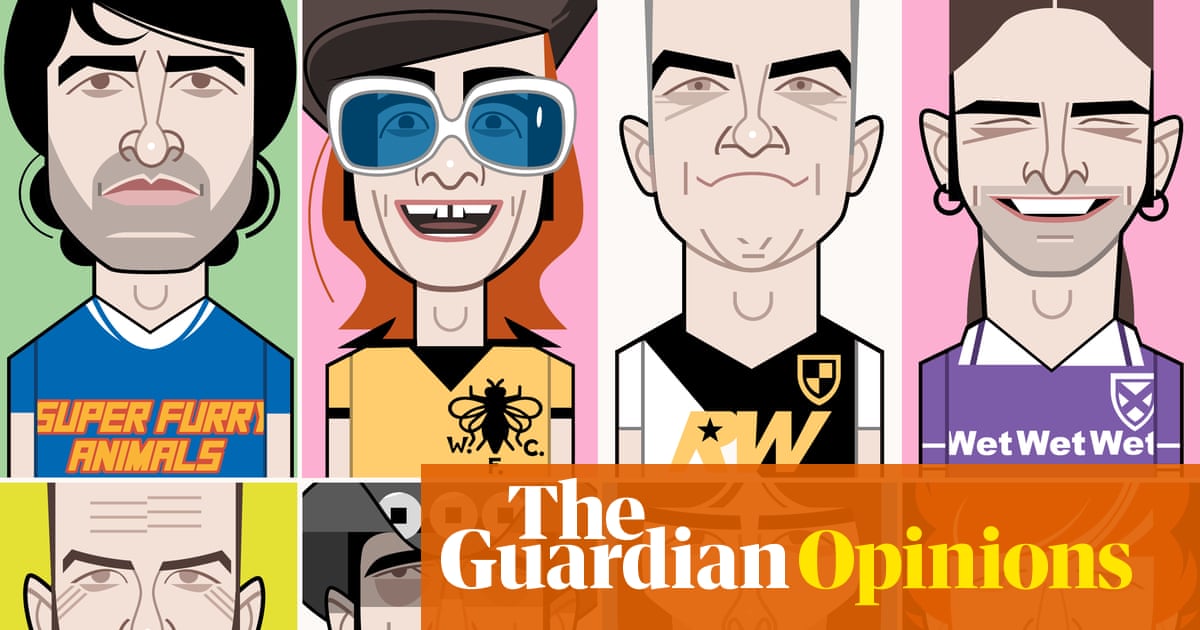
So, here we are in 2026, and the world of lower-tier football has officially descended into a bizarre crossover episode that nobody asked for. Cwmbran Celtic, a club currently grinding it out in the trenches of Welsh football, has decided the secret to their financial stability is partnering with Super Furry Animals.
It is the kind of marketing move that makes you spit out your lukewarm stadium lager. The goal here isn't just to sell a few scarves; it is a calculated bid to monetize "adjacent audiences" who probably haven't watched a tackle since the 2010 World Cup. As reported by The Guardian, this shift toward band-led sponsorship deals is gaining steam, moving beyond mere logo placement into full-blown cultural identity grabs.
The economics of nostalgia are hitting the pitch
Let's be real about what is actually happening. These bands aren't jumping into the world of semi-pro football because they have a sudden, burning passion for the tactical nuances of a 4-4-2 formation. They are chasing the same demographic that still buys vinyl records and thinks their teenage music taste is a personality trait.
It is a nostalgia trip disguised as a business strategy. For Cwmbran Celtic, it provides a veneer of cool that they could never achieve by winning a few extra games in the Cymru South. The club is banking on the fact that indie music fans will flock to the stands just to feel a little bit closer to their favorite tracks from the 90s.
Why this model feels like a gimmick
The problem with using bands to prop up football clubs is that it treats the sport like a secondary accessory. When you start prioritising cross-merchandising deals over, say, signing a halfway decent striker, you know you have lost the plot. It is a cynical play that ignores the actual local supporters who care more about the result of the match than a band’s discography.
There is also the matter of sustainability. What happens when the nostalgia wears off? When the band moves on to the next trend and the novelty of a gig on a Tuesday night at the ground fades, the club is left with the same budget holes they started with. It is essentially a sugar rush for the P&L sheet.
The race to the bottom of the niche market
We are seeing similar trends elsewhere, with artists like Mogwai getting involved in these strange corporate-meets-counter-culture marriages. These clubs are essentially auctioning off their identity to keep the lights on, and I find it both pathetic and strangely impressive.
If you need a sponsorship deal with a Welsh alt-rock group to remain relevant in 2026, maybe the issue isn't your marketing—maybe the issue is the product itself. I love a good guitar solo as much as anyone, but if I’m at a football match, I’m there to see goals, not listen to a reverb-heavy feedback loop during halftime. The pressure on the Cwmbran Celtic administration to actually field a winning team must be immense, yet they seem more concerned with their press release footprint than their defensive line.
If they somehow pull off a promotion because of this influx of "indie credibility," I will eat my scarf. Until then, it is just another desperate pivot in a world where everyone is looking for a shortcut to relevance.
This isn't about growing the sport. It is about harvesting clicks from a specific generation. If you enjoy watching a football club turn into a record label’s vanity project, then you are going to love the next few years.
Read Next