
The fiscal reality of Manchester United's new era
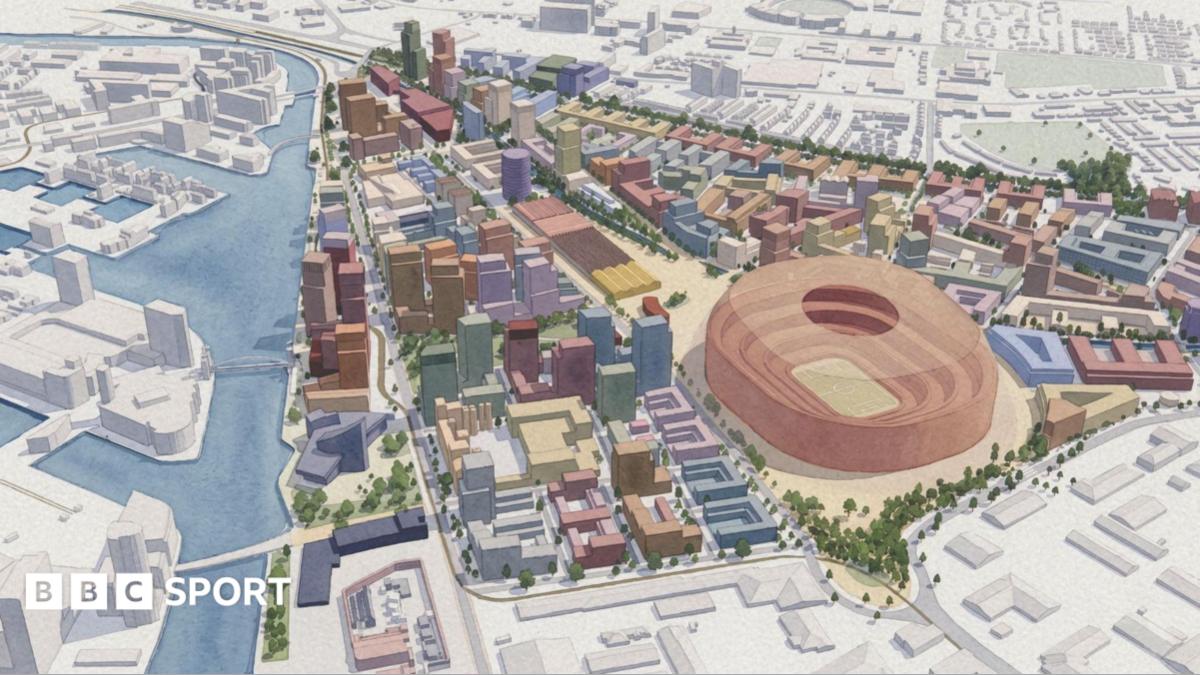
Manchester United are currently sizing up a project that makes their previous transfer windows look like pocket change. With a projected £2bn price tag for the redevelopment of their home ground, the club is caught in a high-stakes balancing act. They are attempting to modernize the matchday experience without succumbing to the financial sinkholes that have plagued their rivals.
As the BBC recently highlighted, the club is actively weighing a naming rights deal. This is a pragmatic, if cold, pivot away from the romanticism that defined the Busby and Ferguson eras. If you want to keep the squad competitive while pouring billions into concrete, revenue diversification isn't optional; it is survival.
The danger of sanitizing the matchday experience
My concern here is the disconnect between the boardroom and the Stretford End. Developing a state-of-the-art facility usually drags in luxury boxes and hospitality suites at the expense of atmosphere. If United manages to raise the capacity while thinning out the long-term season ticket holders, the venue risks becoming a hollowed-out tourist hub.
The club claims to prioritize a "sanity, not vanity" approach. Yet, we have seen this script before. Clubs maximize ground revenue by catering to corporate clients who leave at halftime for a corporate buffet. When home support drops, the home-field advantage dissipates. That home record advantage is worth points in the final table, and you cannot replace that intensity with digital advertising boards.
Predicting the path forward
The naming rights deal is a certainty. There is simply no other way to amortize a £2bn construction debt without crippling the wage budget for the next decade. Expect a global brand to replace the iconic name within the next four years, likely disguised as a "strategic partnership" to soften the blow for the fanbase.
The project will initially face delays. Planning permissions near the canal and existing infrastructure in Trafford are notoriously difficult to navigate. If they haven't broken ground by the start of the 2028 season, the entire financial timeline will shift. The club will try to frame this as careful planning, but fans should read between the lines for potential cost-cutting measures during construction.
United will likely succeed in building the stadium, but it will come at the cost of the club's traditional identity. You simply cannot sell the naming rights to a spiritual cathedral of English football without changing the nature of the institution. They are trading their history for a competitive edge in 2030 and beyond. It is a necessary evil, yet the execution will be anything but graceful.




