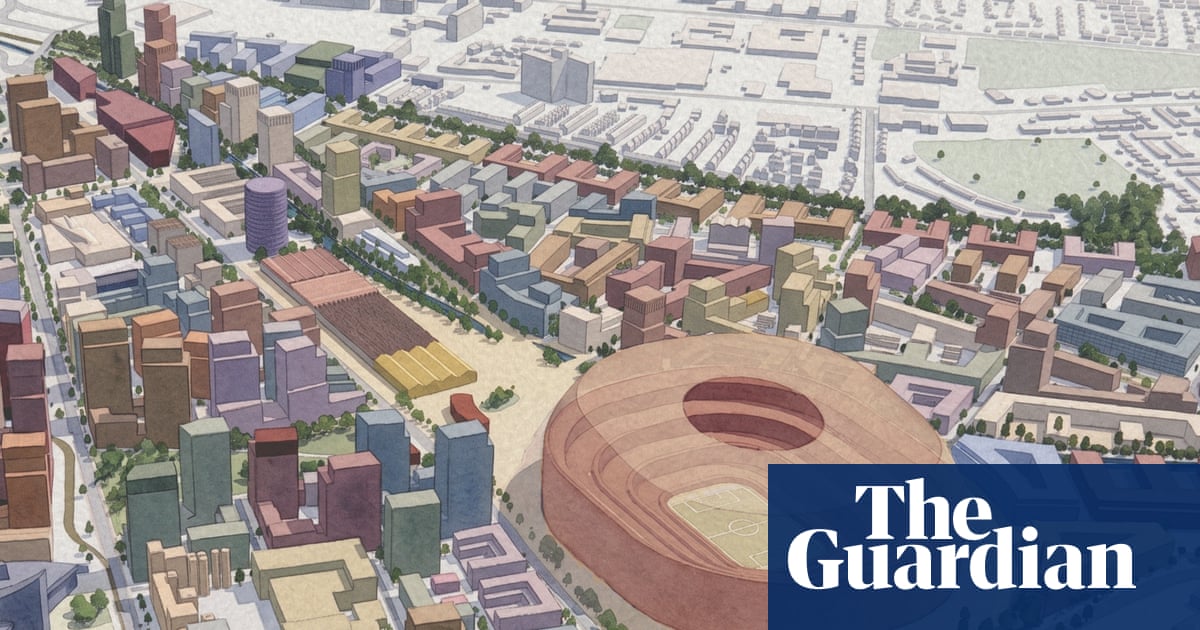
The end of the Theatre of Dreams
Manchester United’s recent update on the future of Old Trafford is the final nail in a coffin that has been rotting for a decade. While nostalgia junkies argue that the history of the house that Busby built is irreplaceable, the math on structural maintenance is undeniable. A renovation of the current site would cost more than a fresh build and likely result in a subpar stadium bowl.
The club is clearly leaning toward a massive redevelopment or a clean break with a new site near the existing grounds. This is a cold, calculated move. When you look at the state of the current facilities, it is plain to see that retrofitting century-old foundations into a modern, 90,000-seat revenue machine is an engineer’s nightmare.
The stadium architecture trap
You cannot simply slap a glitzy facade on a structure plagued by crumbling concrete and a leaking roof. Scaling a stadium for modern ticket tiers, executive suites, and optimized transit flow requires a blank canvas. Tottenham’s recent project provides the target benchmark, proving that high-density luxury amenities pay for themselves within two decades.
United is finally acting like a business rather than a museum. The irony is that the most vocal defenders of Old Trafford are the same people who complain about the club’s inability to compete financially with middle-eastern state-backed squads. You want to compete with the top dogs? You need a world-class revenue engine, not a heritage site that leaks every time the Manchester clouds open up.
The missed opportunity of the Glazer era
The failure here isn't the decision to build new; it’s the two decades of willful neglect that got us to this point. While neighbors and rivals were updating their environments, Old Trafford was neglected to the point of structural instability. It is a massive indictment of the previous ownership.
My prediction is that United will officially break ground on a brand new site within 36 months. They will leverage the land value of the old stadium to offset debt while creating a new, optimized environment that dwarfs anything else in the Premier League. The final cost will likely exceed $2.5 billion by the time the ribbon is cut. It is a gamble, but keeping the current house is a suicide mission for the club’s long-term commercial goals.
They will pay for this decision with years of construction logistics headaches and fan blowback. Yet, looking at the current shift in capital markets, holding onto dead assets is not a strategy. The club is moving from an era of nostalgia to an era of clinical execution. Expect the new plans to drop in full by the end of this calendar year.