Concrete ambitions
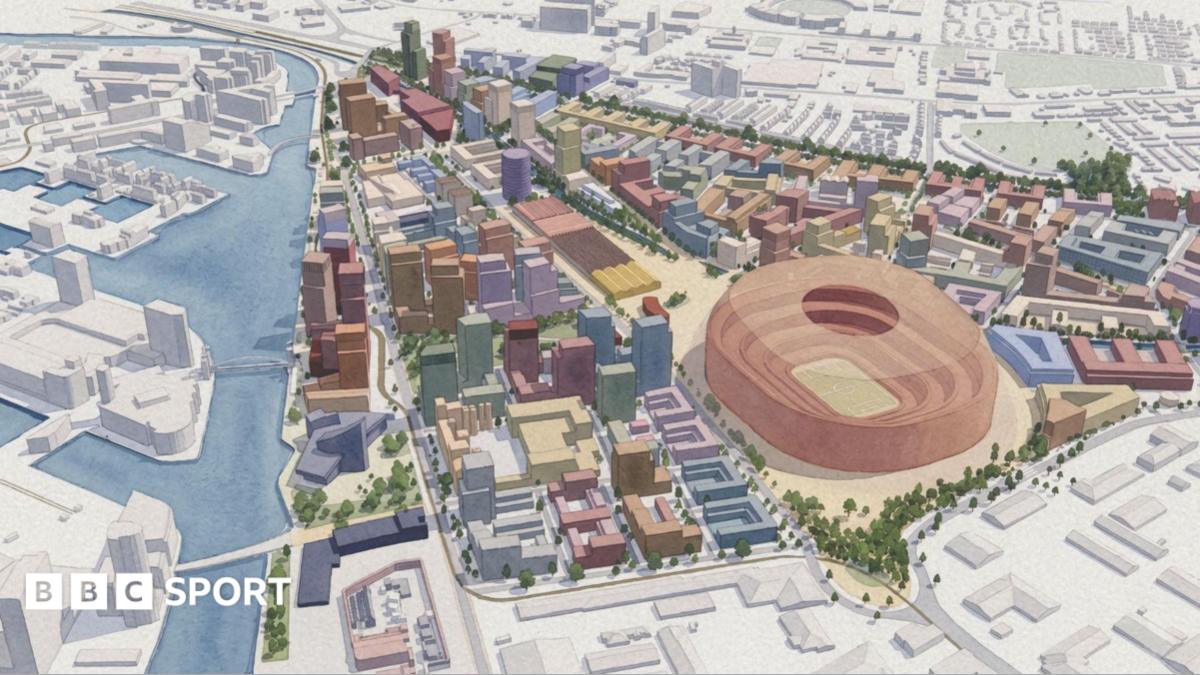
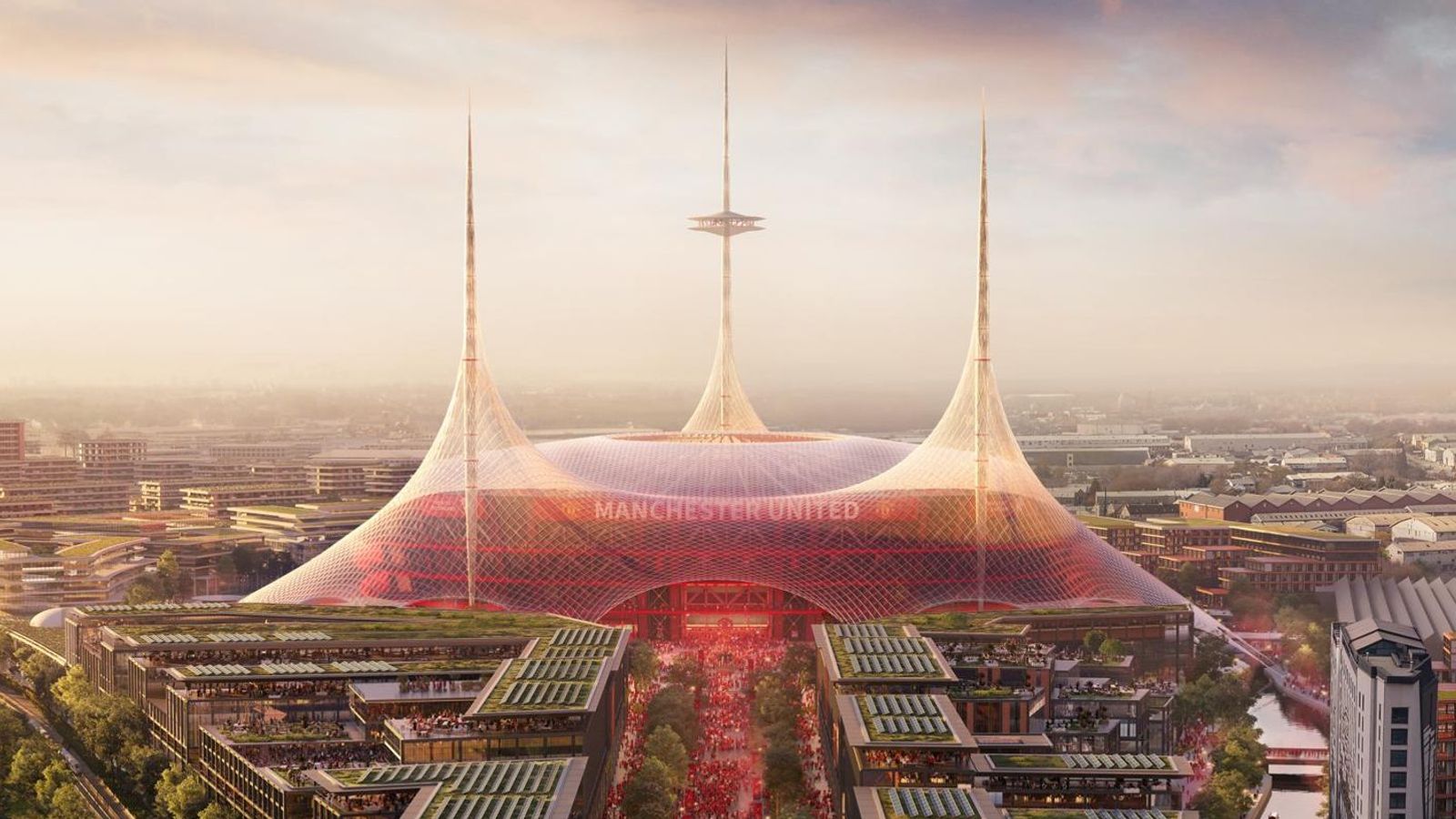
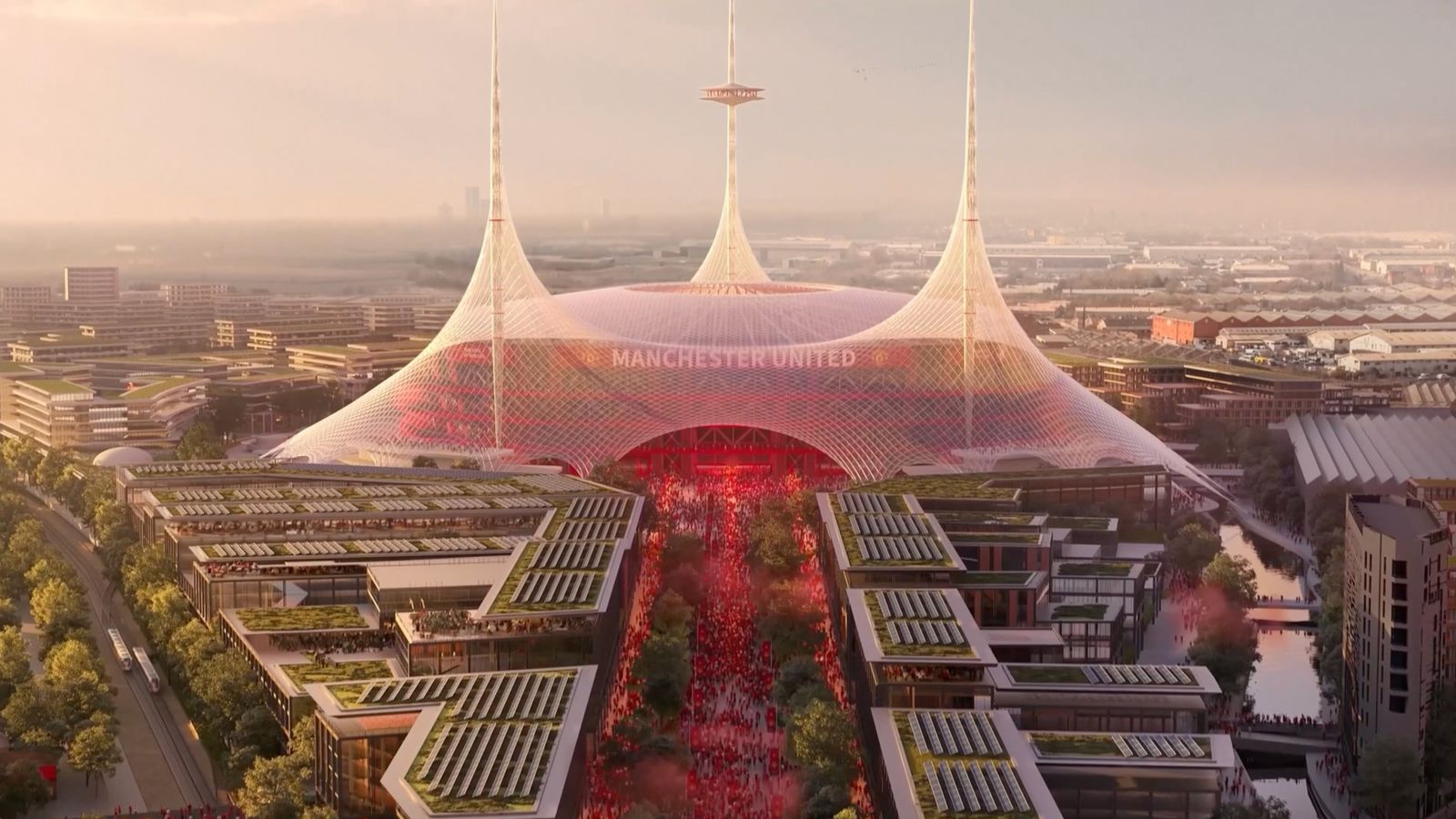
Manchester United have officially signaled a path forward that ignores the architectural limits of the M16 area. The latest update regarding the club's search for a massive new home suggests that the ownership hierarchy is finished with the patchwork repairs of the past two decades. A capacity of 100,000 represents more than just a headcount; it is a declaration of commercial war against the rest of the Premier League.
We have watched as Arsenal and Tottenham invested heavily in modern venues to secure matchday revenue that keeps them competitive against the state-backed clubs. United have lagged behind, trapped in a stadium that leaks when it rains and vibrates with structural decay. Building a greenfield 100,000-seater stadium is the only way to modernize their balance sheet without sacrificing the history of the matchday experience.
The cost of chasing shadows
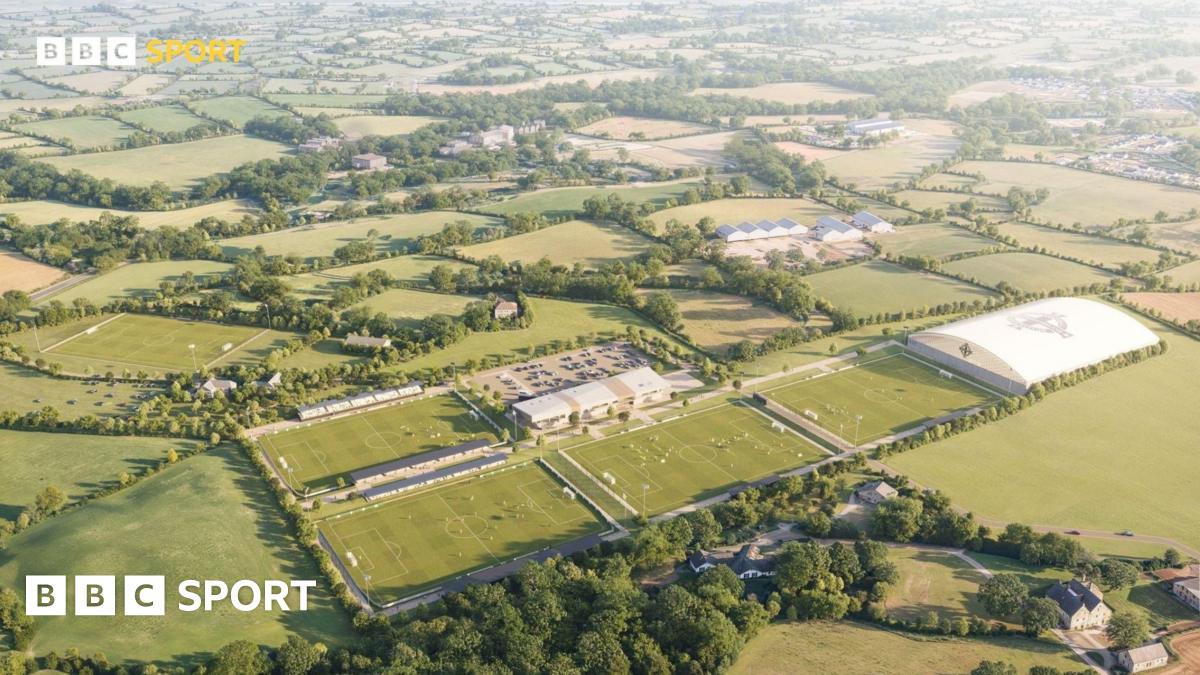
The decision to scout locations for a new build rather than attempting another awkward revamp of the existing structure is telling. Fans need to understand the logistics here: widening the South Stand and cantilever roof designs were always going to be expensive band-aids. The logistical nightmares of construction around a working stadium in an urban center are well-documented, often leading to cost overruns that spiral out of control.
By looking toward a new plot, the hierarchy is betting on total control over the fan experience. The current Old Trafford has fallen behind in corporate hospitality and connectivity, two sectors that drive modern football finance. If this project finishes, the site will comfortably eclipse Wembley Stadium as the largest in the United Kingdom.
The shadow of Tottenham's gamble
We saw Tottenham's radical transformation strategy rely on selling off youth talent to fund elite-level arrivals, a move linked to their own stadium debt. There is a real risk that once the ground breaks on this new Manchester project, the transfer budget will suffer. It happened in north London, and it will happen here if the financing model defaults to debt-servicing over sport.
My skepticism lies in the execution. We are looking at a multi-billion pound commitment that forces the hand of whoever sits in the dugout for the next decade. If the club prioritizes the roof line and the corporate suites over the defensive line and the midfield pivot, the move to a cathedral of commerce will be remembered as a hollow victory.
The club must balance this massive infrastructure project with a squad overhaul that is already failing to keep pace with the top four. We have seen reports of high-profile departures needed just to balance the books for smaller moves, emphasizing that the financial headroom is tighter than marketing departments admit. If they manage to build this site, it will be the most significant shift for the club since the expansion of the Stretford End. However, a bigger stadium does not score goals. It only seats more people to watch the team try.
Read Next