The local derby nobody asked for but everyone gets
It is that time of year again. The air is thick with humidity, the tactical experiments are flying, and Newcastle United is busy reminding the footballing world that regional loyalty still matters. The Magpies are gearing up to face Gateshead in a pre-season fixture that falls squarely into the category of games that occupy the weirdest space on the calendar.
As Mirror Football reported, this match is part of the ongoing pre-season grind. We are talking about ten miles of travel when the team is probably dreaming of a marketing tour in the US or Asia. It is a genuine, old-school local clash that provides zero corporate box revenue but all of the tension.
The tactical logic behind the local mismatch
Why do these games happen? It is not just about keeping the local economy happy or giving the youth academy a reality check. These fixtures are essentially glorified training sessions where the manager gets to see who spent their summer eating paella and who actually hit the gym. For Eddie Howe, it is a chance to integrate new faces without the suffocating pressure of a Premier League crowd screaming for blood at St. James' Park.
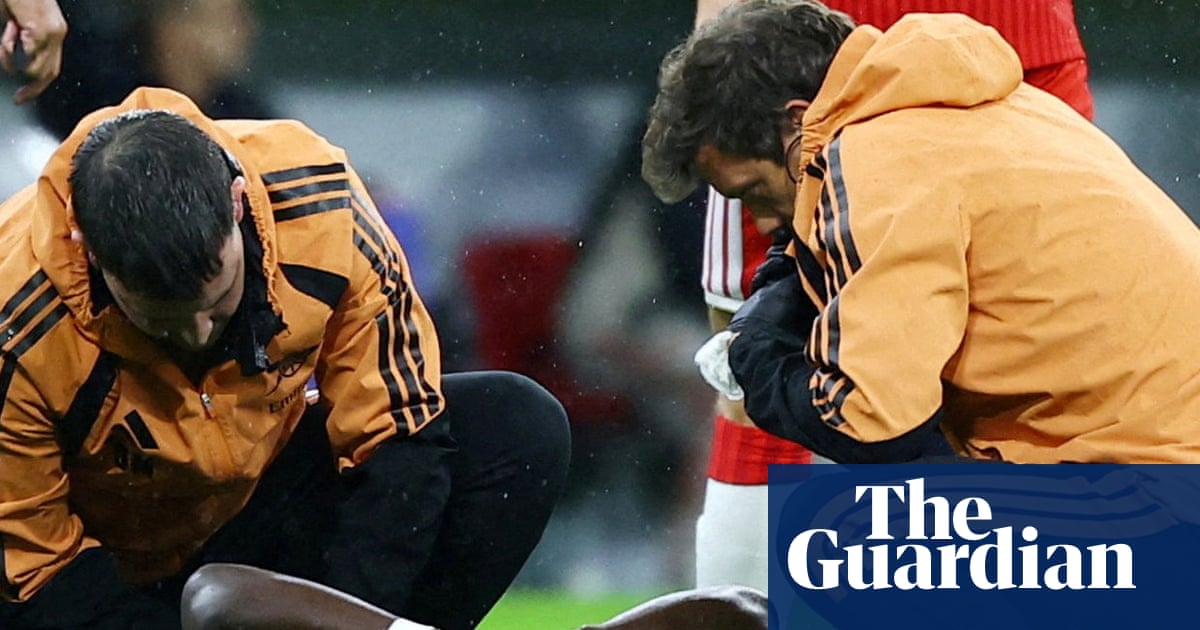
However, we need to address the elephant in the room: injury risk. Playing a smaller, hungry side like Gateshead means dealing with high energy and aggressive tackles that serve no purpose other than making a name for some kid who wants to ruin a star’s season before it even starts. Watching a marquee signing tear an ACL in a match played in front of a few thousand people is the kind of nightmare material that keeps front offices sweating through their polo shirts.
What to watch for in the squad rotation
The lineup card will be a mess of rotation, which is code for "half the starting XI will be resting or coming off the bench for eighteen minutes." You are going to see a mix of hardened veterans trying to retain their fitness and wide-eyed prospects playing for their professional lives. Expect a heavy dose of tactical experimentation where the fullbacks push too high while the center backs look like they are communicating via carrier pigeon.
If you are tuning in, look for the press intensity compared to their last outing. If the midfield is lagging or the transition game looks like a bumper car ride, the panic button in the fan forums will be hit by the 30th minute. It is not pretty, but it is the raw, unpolished mess that makes football season so exhausting and so beautiful all at once.
The downside of the local tune-up
Let’s be honest: these matches are often boring. The pacing is sluggish, the tactical discipline is non-existent, and the broadcast quality can feel like it was filmed through a toaster. When the manager decides to substitute the entire outfield roster at halftime, any resemblance to a cohesive team identity vanishes into thin air. You essentially pay for an hour of coherent football followed by a half-hour of "who is that guy and why is he playing the pivot position?"
It is a necessary evil. Clubs need the minutes, fans need the fix, and the local teams need the revenue. Just try to remember that when the scoreline implies a mismatch, the result is the least important part of the entire afternoon. It is about the rhythm, the touch, and praying that the injury report remains a ghost town after the final whistle blows.